

Back to articles
Cats and Biodiversity: What Should We Do?
MR
Mia Rozenbaum
10/07/2020
4 min read
0 comments
Share:
This is a recurring debate. Cats have a disastrous ecological and environmental footprint. As seasoned predators, vectors of disease, and fierce defenders of their territory, cats disrupt ecosystems. As a pet owner, how should you respond?
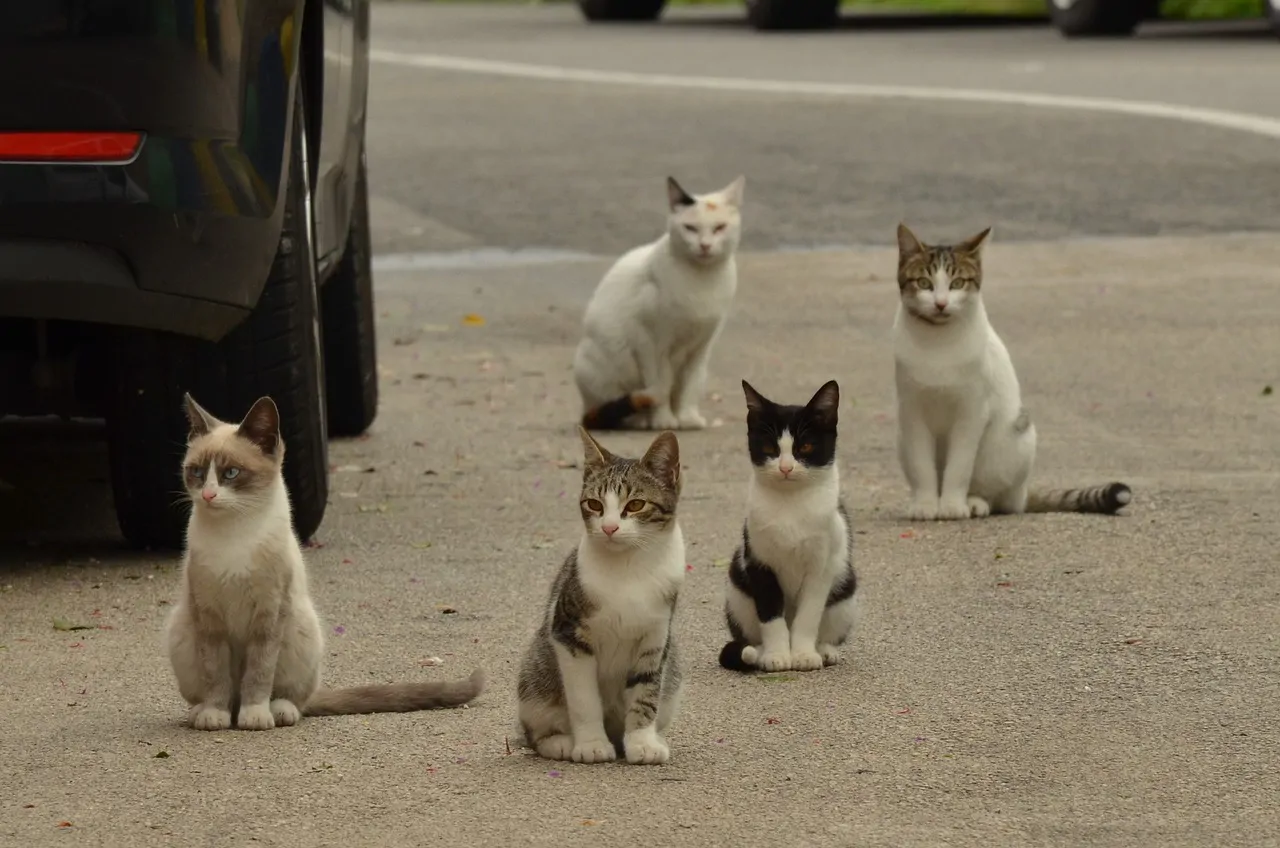
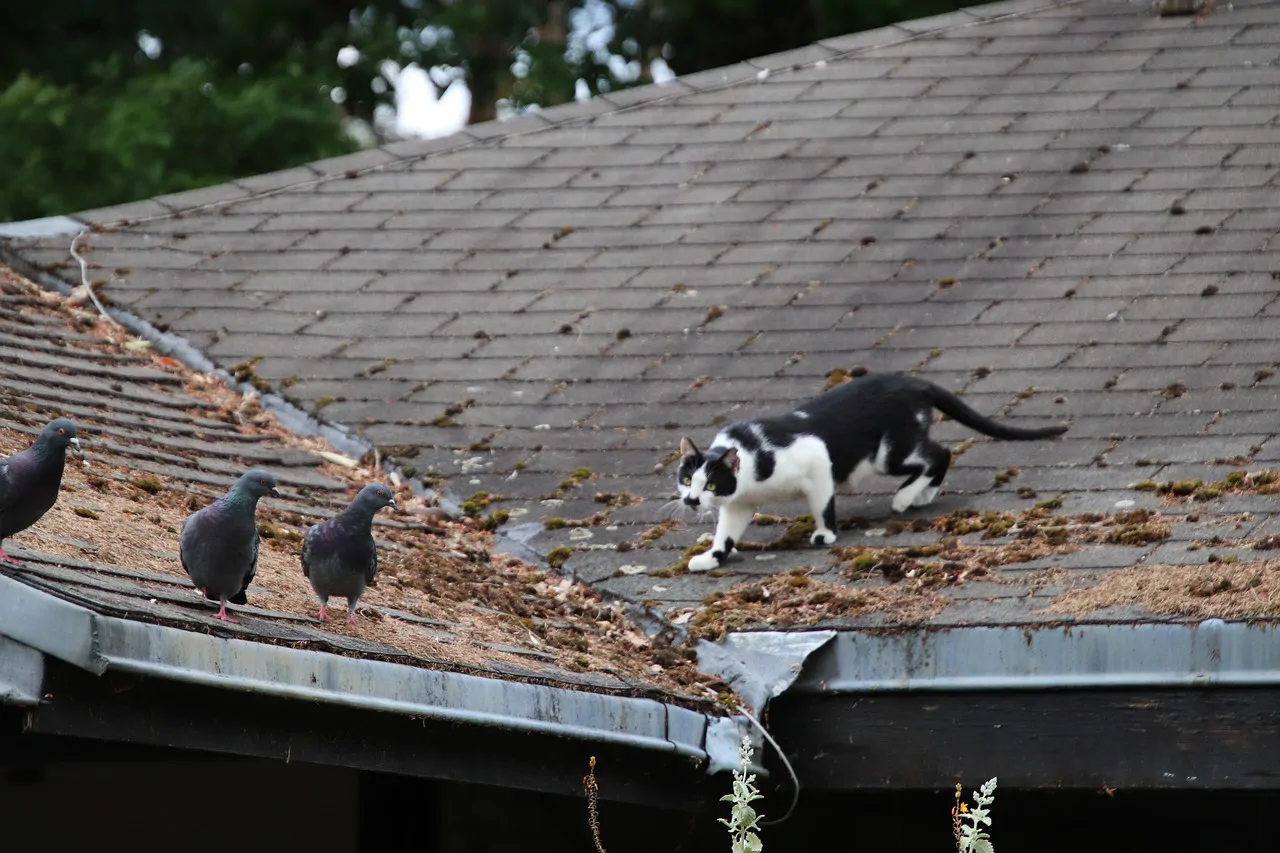
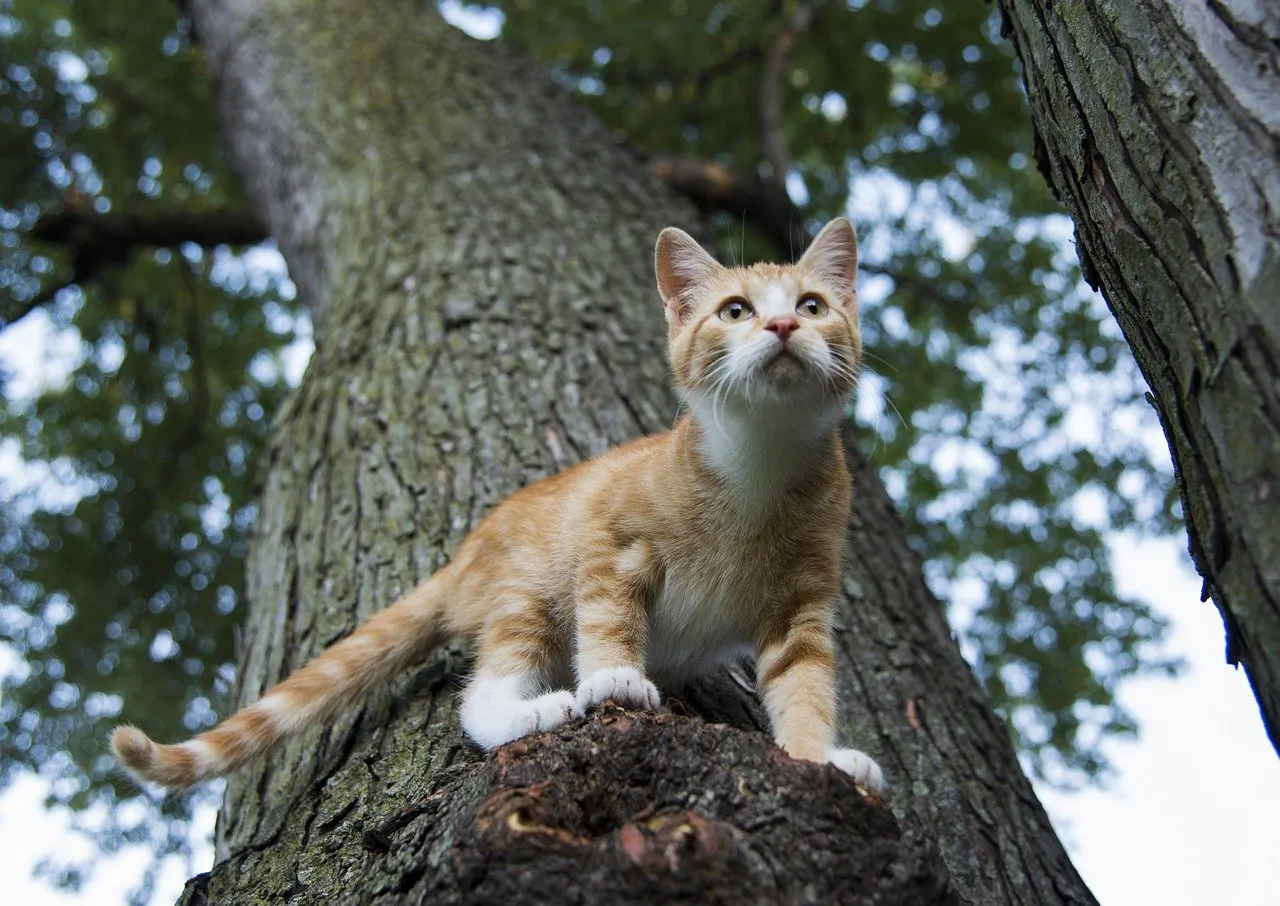
Rodents, birds, reptiles, and other small mammals live under the constant threat of domestic cats. Every year, our couch companions kill billions of wild animals. In France, there are 14 million cats—68% of which have access to the outdoors—that threaten more than 50 endangered species.
Over the past 500 years, it is estimated that stray cats worldwide are responsible for the extinction of 63 species of mammals, reptiles, and birds.
Australia, the only continent on Earth—other than Antarctica—where wild animals evolved in the absence of cats, is particularly affected. According to estimates, the country has already seen the extinction of about 20 native mammal species due to cats. Furthermore, regional variations in cat density correlate closely with the rate of extinction of native wildlife.
Cats threaten biodiversity through predation and hybridization, as well as by acting as vectors for diseases—including certain zoonoses—and can therefore pose a danger to public health and animal health.
Policy Measures Targeting Cats
The environmental impacts of domestic cats are the subject of international conservation concerns and political debate. Feral cats, in particular, are frequently the focus of conservation policies and actions. In Australia, effective and targeted control of cat populations has become a national priority, as the country’s wildlife conservation areas are not spared from feline presence. The situation has become critical, and the solution involves, in particular, establishing island refuges through the implementation of a targeted culling program. The federal government aims to cull 2 million feral cats over five years. But feral cats are not the only ones affected. Their domestic counterparts are also subject to population control measures, as well as policy recommendations and regulations governing their ownership and management. Measures to reduce cat populations and restrict their access to the outdoors are often implemented. New Zealand authorities are even considering banning pet cats in the southern part of the country to protect local wildlife. However, behind every domestic cat is a loving owner, and such proposals rarely take cat owners’ perspectives into account and often face strong opposition on principle.Incorporating Owners’ Perspectives to Foster Greater Acceptance of Measures
Authoritarian approaches are often poorly received because they assume that the main reason owners fail to regulate their cats’ behavior is a lack of understanding of the associated consequences—which is rarely the case. Pitting environmental values against those of cat owners creates divisions and conflicts that are evident in both scientific and popular discourse and hinder the development of effective policies. An emerging alternative approach involves recognizing cat owners as key partners in reducing the impacts of cats. Dialogue and collaboration among stakeholders to understand each other’s priorities and perspectives are key to developing effective and sustainable policies and guidelines.What policy should be adopted?
The question arises: what measures could satisfy everyone? The answer remains open. Most cat owners in England, even though they are willing to manage their cats’ behavior, oppose restricting their cats’ access to the outdoors for the sole purpose of preventing them from hunting. It is therefore unlikely that cat confinement policies will find support among cat owners in the United Kingdom. However, this does not mean that owners are indifferent to hunting or refuse to consider other measures. The diversity of viewpoints on confining cats indicates that the debate is still ongoing, and perspectives may change as habits and knowledge evolve. Identifying, refining, and promoting viable management tools and alternatives could be more constructive than strict regulations and a one-size-fits-all policy. Multidimensional strategies that can adapt to different perspectives and circumstances will foster greater accountability. In the meantime, veterinarians encourage responsible animal owners to perform castration on their animals. Indeed, in addition to the obvious effects on population control, castration would reduce the size of male cats’ territories by 79.32%, thereby reducing their impact on the ecosystem. Subsequently, castration could be integrated into wildlife conservation strategies in risk areas.Read next
Research & Diagnostics
10/09/2026
WHO sets new diagnostic targets for Echinococcus granulosus in humans, dogs and sheep
Research & Diagnostics
10/09/2026
Nipah virus in wastewater: promising for early warning?
Research & Diagnostics
10/01/2026
Commentaires
No comments yet.
Sign in to comment