

Back to articles
Research & Diagnostics
Australia
Biodiversity
Castration
Chat
Ecosystem
Predation
Sterilization
Wildlife
Castration of Cats to Preserve Wildlife
MR
Mia Rozenbaum
06/05/2020
2 min read
0 comments
Share:
Domestic cats kill billions of wild animals each year. Researchers have shown that castration reduces cats’ hunting ranges and thus lessens their impact on local ecosystems, in addition to its obvious effects on population control.
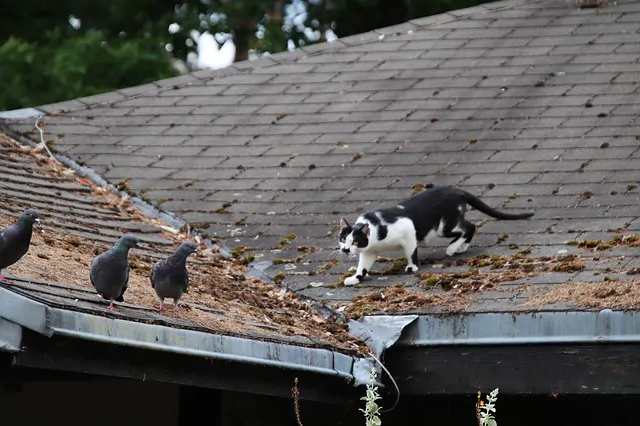 The presence of domestic cats (Felis silvestris catus) in natural areas can cause numerous environmental disruptions. As seasoned predators, disease vectors, and fierce defenders of their territory
, cats can disrupt ecosystems.
In Australia alone, feral cats collectively kill more than three billion wild animals per year
. They have played a primary role in most of the 34 mammal extinctions in Australia since 1788
and are one of the main reasons for the decline of at least 123 other endangered species.
And domestic cats also do their share of damage. On average, each stray cat in Australia kills 186 reptiles, birds, and mammals per year
. Collectively, this amounts to 4,440 to 8,100 animals per square kilometer per year in areas inhabited by pet cats—a total of 390 million animals per year
. The figures are staggering.
While keeping pets indoors may seem like a drastic solution to prevent this carnage, researchers are exploring alternative options. In fact, 71% of Australian cats still have access to the outdoors to roam and hunt at will.
Among the solutions being studied is castration
. In addition to its obvious effects on population control, castration would reduce the size of the home ranges of male cats—which are naturally more territorial—and their impact on the ecosystem.
Using a radio-telemetry monitoring system before and after castration, researchers were able to show that the home range size of male cats living in semi-domestic conditions and having access to natural areas decreases after castration.
The 79.32% reduction in home range has a direct impact on encounters with wildlife
, as it reduces areas of overlap with natural habitats. This goes hand in hand with a 28.72% decrease in the activity patterns of male domestic cats
.
In light of these results, the researchers encourage castration of domestic cats to minimize their impact on natural areas. This could be considered a wildlife conservation strategy in risk areas.
The presence of domestic cats (Felis silvestris catus) in natural areas can cause numerous environmental disruptions. As seasoned predators, disease vectors, and fierce defenders of their territory
, cats can disrupt ecosystems.
In Australia alone, feral cats collectively kill more than three billion wild animals per year
. They have played a primary role in most of the 34 mammal extinctions in Australia since 1788
and are one of the main reasons for the decline of at least 123 other endangered species.
And domestic cats also do their share of damage. On average, each stray cat in Australia kills 186 reptiles, birds, and mammals per year
. Collectively, this amounts to 4,440 to 8,100 animals per square kilometer per year in areas inhabited by pet cats—a total of 390 million animals per year
. The figures are staggering.
While keeping pets indoors may seem like a drastic solution to prevent this carnage, researchers are exploring alternative options. In fact, 71% of Australian cats still have access to the outdoors to roam and hunt at will.
Among the solutions being studied is castration
. In addition to its obvious effects on population control, castration would reduce the size of the home ranges of male cats—which are naturally more territorial—and their impact on the ecosystem.
Using a radio-telemetry monitoring system before and after castration, researchers were able to show that the home range size of male cats living in semi-domestic conditions and having access to natural areas decreases after castration.
The 79.32% reduction in home range has a direct impact on encounters with wildlife
, as it reduces areas of overlap with natural habitats. This goes hand in hand with a 28.72% decrease in the activity patterns of male domestic cats
.
In light of these results, the researchers encourage castration of domestic cats to minimize their impact on natural areas. This could be considered a wildlife conservation strategy in risk areas.
Read next
Research & Diagnostics
10/09/2026
WHO sets new diagnostic targets for Echinococcus granulosus in humans, dogs and sheep
Research & Diagnostics
10/09/2026
Nipah virus in wastewater: promising for early warning?
Research & Diagnostics
10/01/2026
Commentaires
No comments yet.
Sign in to comment