

Back to articles
Policy & Regulation
Anaesthetic
AVMA
CND
Commission on Narcotic Drugs
FVE
Ketamine
Veterinary medicine
WSAVA
WVA
Ketamine: WSAVA and AVMA Join WVA and FVE in Opposing Its Classification as a Narcotic
B
bertrand-neveux
04/16/2015
3 min read
0 comments
Share:
Following the World Veterinary Association (WVA) and the Federation of Veterinarians of Europe (FVE), it is now the turn of the World Small Animal Veterinary Association (WSAVA) and the American Veterinary Medical Association (AVMA) to take a stand against the classification of injectable ketamine as a narcotic. They are speaking out to ensure continued access to this anaesthetic, in both veterinary medicine and human medicine.
The 58th session of the United Nations Commission on Narcotic Drugs
(CND) was scheduled to decide on March 13, 2015, whether to schedule ketamine under Schedule I of the 1971 Convention on Psychotropic Substances. Ultimately, the decision to place this anaesthetic under international control was postponed to a later date to allow the CND to gather more information on the matter.
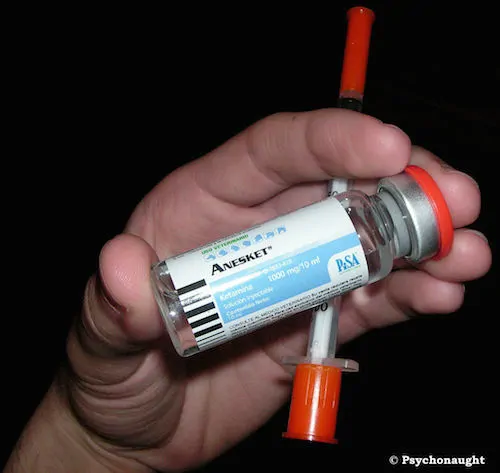 The AVMA and WSAVA are taking this opportunity to add their voices to those opposing the international control of ketamine. They are calling on their members to take action and stand united in the face of this threat to their practice. Both associations fear that ketamine will no longer be accessible to veterinarians. Yet it is the only anaesthetic and pain reliever available and widely used to treat small and large animals worldwide.
The AVMA is a member of both WSAVA and the WVA, which in turn works closely with other global organizations such as the World Medical Association
(WMA). By connecting their members in this way, the shared goal is to defend the medical use of ketamine. Keeping a close eye on the agenda of the CND sessions, this lobbying effort
aims to ensure that the voice of the veterinary profession is heard in the debate.
The World Health Organization (WHO) has also taken a stand against classifying ketamine as a controlled substance, as this would jeopardize the ability of certain developing countries to access effective anesthesia and analgesia. Furthermore, the entire production chain for this drug will have to comply with a new regulatory protocol, resulting in a reduction in supply (as costs rise, some manufacturers will exit this market) and a restriction on its use (limited to experimental trials, as is the case with LSD).
The WSAVA’s Global Pain Council
(GPC) has issued a statement outlining its position as part of this advocacy campaign: “Access to anaesthetic and analgesic drugs is imperative for alleviating animal suffering
(…). In some parts of the world, ketamine is the only analgesic-anaesthetic agent available to the veterinary profession; it is therefore essential for enabling veterinary practitioners to carry out their daily work in an ethical and humane manner. Restricting its use would have a significant and negative impact on animal welfare worldwide. Consequently, the WSAVA and its
Global Pain Council support efforts to put an end to all initiatives seeking to regulate ketamine. »
Veterinarians are therefore called upon to voice their opposition in order to strengthen the voice of the veterinary profession globally.
The AVMA and WSAVA are taking this opportunity to add their voices to those opposing the international control of ketamine. They are calling on their members to take action and stand united in the face of this threat to their practice. Both associations fear that ketamine will no longer be accessible to veterinarians. Yet it is the only anaesthetic and pain reliever available and widely used to treat small and large animals worldwide.
The AVMA is a member of both WSAVA and the WVA, which in turn works closely with other global organizations such as the World Medical Association
(WMA). By connecting their members in this way, the shared goal is to defend the medical use of ketamine. Keeping a close eye on the agenda of the CND sessions, this lobbying effort
aims to ensure that the voice of the veterinary profession is heard in the debate.
The World Health Organization (WHO) has also taken a stand against classifying ketamine as a controlled substance, as this would jeopardize the ability of certain developing countries to access effective anesthesia and analgesia. Furthermore, the entire production chain for this drug will have to comply with a new regulatory protocol, resulting in a reduction in supply (as costs rise, some manufacturers will exit this market) and a restriction on its use (limited to experimental trials, as is the case with LSD).
The WSAVA’s Global Pain Council
(GPC) has issued a statement outlining its position as part of this advocacy campaign: “Access to anaesthetic and analgesic drugs is imperative for alleviating animal suffering
(…). In some parts of the world, ketamine is the only analgesic-anaesthetic agent available to the veterinary profession; it is therefore essential for enabling veterinary practitioners to carry out their daily work in an ethical and humane manner. Restricting its use would have a significant and negative impact on animal welfare worldwide. Consequently, the WSAVA and its
Global Pain Council support efforts to put an end to all initiatives seeking to regulate ketamine. »
Veterinarians are therefore called upon to voice their opposition in order to strengthen the voice of the veterinary profession globally.
See also:
Ketamine: The WVA and the FVE Oppose Its Classification as a Narcotic
Commentaires
No comments yet.
Sign in to comment