

Back to articles
Policy & Regulation
Canine
Dental Conditions
Dentistry
Oral Health Care
Periodontal Therapy
Pets
Veterinarian
Veterinary Dentistry
Veterinary Dentists
Veterinary Program
WSAVA
Veterinary Dentistry: First Global Guidelines for Pets
V
Vetitude
10/02/2017
2 min read
0 comments
Share:
The World Small Animal Veterinary Association (WSAVA) has just published recommendations on oral health care for pets. WSAVA’s Global Dental Guidelines outline best practices, applicable worldwide, to help veterinarians better recognize dental conditions and implement the most effective treatments. Beyond updating standards and techniques in veterinary dentistry, the goal is to help bridge the gaps observed in the teaching of this discipline internationally and to place greater emphasis on oral health in veterinary education.
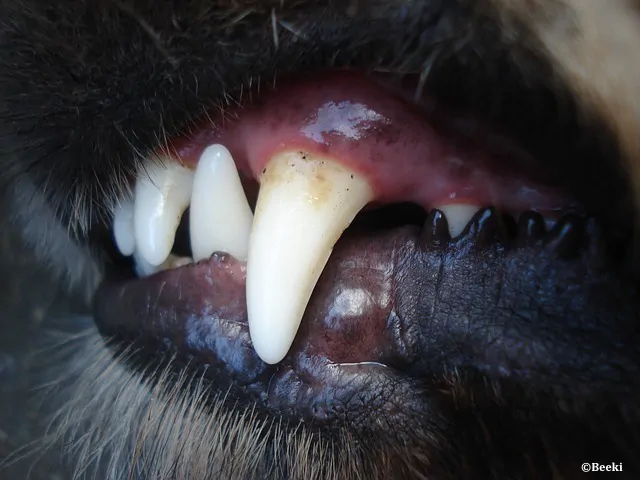 Oral and maxillofacial diseases, commonly seen in canine practice, are particularly painful for the animal. If left untreated or treated improperly, infections that are initially localized can spread and become systemic, compromising the health and quality of life of the dog or cat. Thus, according to the WSAVA, dentistry is a field of veterinary medicine that is still largely overlooked or poorly understood, even though the conditions encountered cause pain and raise serious concerns regarding animal welfare. Standardization and more in-depth teaching of dentistry in veterinary schools are, according to the WSAVA, key to advancing expertise in this discipline.
The guidelines, developed by veterinary dentists from five continents, aim to provide practitioners with the information necessary to adopt best practices in dental therapy and establish minimum standards for care. Beyond the recommended level of equipment and therapeutic recommendations, WSAVA emphasizes the requirements for anesthesia and pain management in animals. It condemns the harmful effects of procedures performed without anaesthesia, which are at best ineffective and at worst detrimental.
The guidelines offer scientifically based resources and an update on current knowledge regarding common diseases and treatments, periodontal therapy, extractions, and radiographic examinations. An easily implementable and reproducible system for assessing an animal’s dental health is also included. In addition, sections focus on the proper administration of anaesthesia and pain management during dental procedures and care, even in a home setting. Nutritional information and recommendations on the role of veterinary schools in the evolution of veterinary dentistry are also provided.
Oral and maxillofacial diseases, commonly seen in canine practice, are particularly painful for the animal. If left untreated or treated improperly, infections that are initially localized can spread and become systemic, compromising the health and quality of life of the dog or cat. Thus, according to the WSAVA, dentistry is a field of veterinary medicine that is still largely overlooked or poorly understood, even though the conditions encountered cause pain and raise serious concerns regarding animal welfare. Standardization and more in-depth teaching of dentistry in veterinary schools are, according to the WSAVA, key to advancing expertise in this discipline.
The guidelines, developed by veterinary dentists from five continents, aim to provide practitioners with the information necessary to adopt best practices in dental therapy and establish minimum standards for care. Beyond the recommended level of equipment and therapeutic recommendations, WSAVA emphasizes the requirements for anesthesia and pain management in animals. It condemns the harmful effects of procedures performed without anaesthesia, which are at best ineffective and at worst detrimental.
The guidelines offer scientifically based resources and an update on current knowledge regarding common diseases and treatments, periodontal therapy, extractions, and radiographic examinations. An easily implementable and reproducible system for assessing an animal’s dental health is also included. In addition, sections focus on the proper administration of anaesthesia and pain management during dental procedures and care, even in a home setting. Nutritional information and recommendations on the role of veterinary schools in the evolution of veterinary dentistry are also provided.
Commentaires
No comments yet.
Sign in to comment