

Back to articles
Policy & Regulation
ACMV
Animal health
Anti-vaxxer
Autism
AVMA
Biosecurity
Chat
Feline Leukemia
Food safety
FVE
Immunity
One Health
Parvovirus
Pharmaceutical Industry
Pharmacovigilance
Public health
Rabies
Rinderpest
Salmonellosis
Sam Kova
Vaccination
Vaccine
Zoonosis
The anti-vaccine movement is endangering animal health
MR
Mia Rozenbaum
06/03/2020
6 min read
0 comments
Share:
Vaccines are a powerful weapon against infectious diseases, saving millions of lives every year—both human and animal. The anti-vaccine movement puts many animals at risk by deliberately refusing to protect them against diseases that can be painful and deadly. But beyond endangering animal lives, humans could also suffer the consequences.
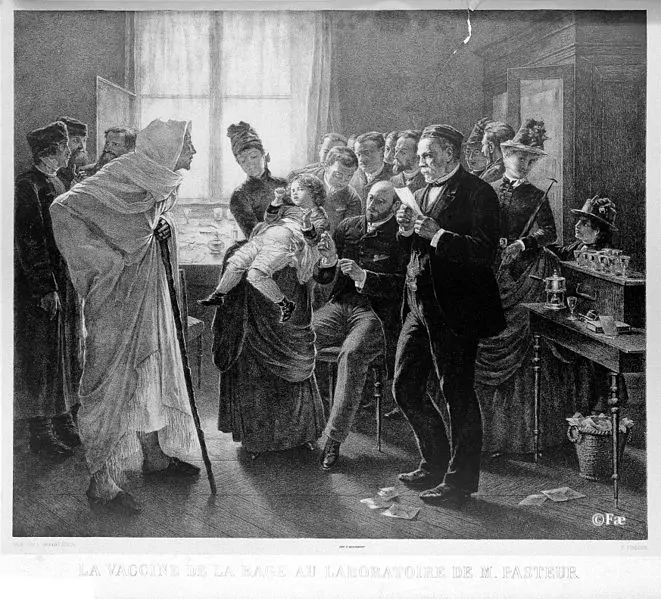 Vaccination protects against diseases by stimulating the immune system and preparing it in advance. Every year, 2 million lives are saved worldwide
thanks to vaccination.
After the increased availability of clean drinking water during the 20th century, vaccination is the second-most significant factor responsible for the dramatic increase in human survival rates during that century
. Vaccination, for example, led to the global eradication of smallpox in 1982.
However, complete protection is only possible if high vaccination coverage is maintained—that is, a high percentage of vaccinated people within the population. Otherwise, certain diseases will continue to ravage the world despite the availability of vaccines.
And unfortunately, vaccination is not universally accepted
. The World Health Organization ranked vaccine hesitancy among the top ten health threats of 2019. Yet the anti-vaccine movement shows no signs of abating.
Driven by mistrust of the pharmaceutical industry and fear of side effects, some people categorically refuse vaccination, putting the general population—as well as themselves—at risk.
The decision not to get vaccinated is a double-edged sword. Vaccination is intended to be beneficial both individually (by protecting each vaccinated person) and collectively (by reducing the number of people likely to contribute to the spread of a disease). A collective vaccination effort is therefore essential to truly protect populations against an infectious disease. And the same applies to animals.
Vaccination protects against diseases by stimulating the immune system and preparing it in advance. Every year, 2 million lives are saved worldwide
thanks to vaccination.
After the increased availability of clean drinking water during the 20th century, vaccination is the second-most significant factor responsible for the dramatic increase in human survival rates during that century
. Vaccination, for example, led to the global eradication of smallpox in 1982.
However, complete protection is only possible if high vaccination coverage is maintained—that is, a high percentage of vaccinated people within the population. Otherwise, certain diseases will continue to ravage the world despite the availability of vaccines.
And unfortunately, vaccination is not universally accepted
. The World Health Organization ranked vaccine hesitancy among the top ten health threats of 2019. Yet the anti-vaccine movement shows no signs of abating.
Driven by mistrust of the pharmaceutical industry and fear of side effects, some people categorically refuse vaccination, putting the general population—as well as themselves—at risk.
The decision not to get vaccinated is a double-edged sword. Vaccination is intended to be beneficial both individually (by protecting each vaccinated person) and collectively (by reducing the number of people likely to contribute to the spread of a disease). A collective vaccination effort is therefore essential to truly protect populations against an infectious disease. And the same applies to animals.
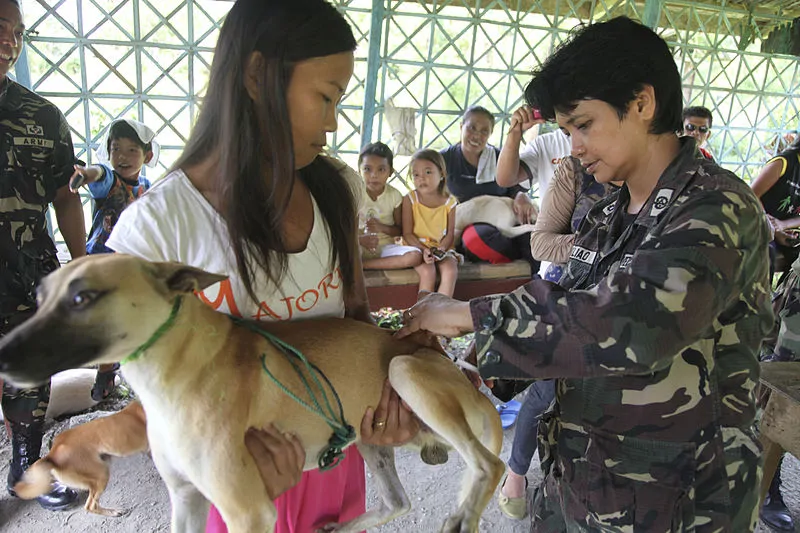 While this anti-vaccine trend primarily affects humans, their animals are also beginning to suffer as a result. Despite statistics supporting vaccines, there are still many people opposed to animal vaccination who now refuse to vaccinate their pets and livestock.
Yet there are numerous examples of vaccination success. In 2011, for example, vaccination led to the total, global eradication of rinderpest
and protected cats against the deadly feline leukemia
virus, which now infects only 2% of
healthy cats
worldwide.
Common
misconceptions seem to blame vaccines for the development of autoimmune diseases or autism in dogs and cats
. However, vaccines do not cause autism in humans, much less in animals, which do not suffer from this disorder. According to veterinarian Sam Kova, there are no known cases of dogs or cats with autism.
Vaccines are a safe way to boost an animal’s natural defenses and protect its health and well-being.
While vaccines may cause side effects in rare cases (pain at the injection site, fever, skin irritation, etc.), the benefits of vaccination far outweigh the risks.
Between protecting against a deadly disease and rare side effects, the choice is clear. If a disease as contagious and deadly as parvovirus, for example, existed in humans, we wouldn’t hesitate.
While this anti-vaccine trend primarily affects humans, their animals are also beginning to suffer as a result. Despite statistics supporting vaccines, there are still many people opposed to animal vaccination who now refuse to vaccinate their pets and livestock.
Yet there are numerous examples of vaccination success. In 2011, for example, vaccination led to the total, global eradication of rinderpest
and protected cats against the deadly feline leukemia
virus, which now infects only 2% of
healthy cats
worldwide.
Common
misconceptions seem to blame vaccines for the development of autoimmune diseases or autism in dogs and cats
. However, vaccines do not cause autism in humans, much less in animals, which do not suffer from this disorder. According to veterinarian Sam Kova, there are no known cases of dogs or cats with autism.
Vaccines are a safe way to boost an animal’s natural defenses and protect its health and well-being.
While vaccines may cause side effects in rare cases (pain at the injection site, fever, skin irritation, etc.), the benefits of vaccination far outweigh the risks.
Between protecting against a deadly disease and rare side effects, the choice is clear. If a disease as contagious and deadly as parvovirus, for example, existed in humans, we wouldn’t hesitate.
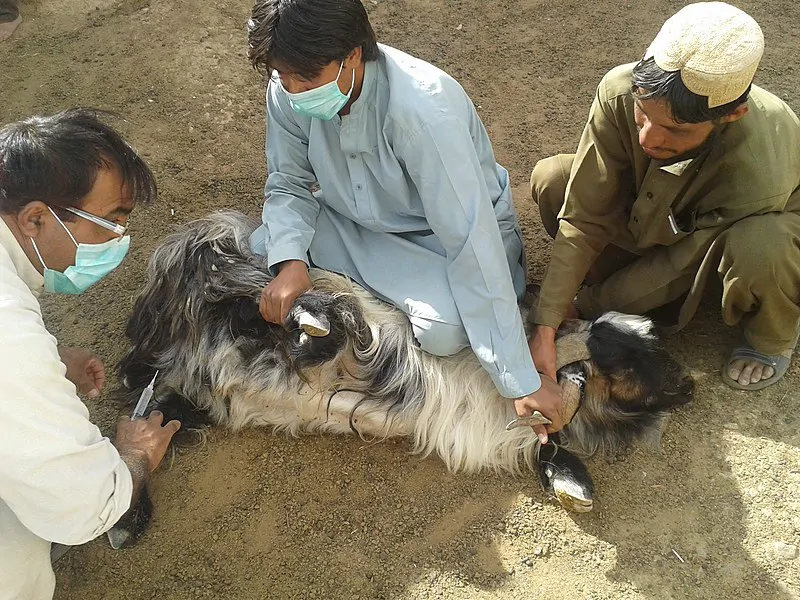 Sam Kovac stated in late March 2019
that anti-vaxxers should not be allowed to own pets when they are willing to expose them to diseases like parvovirosis. “They are condemning their dogs to death—a death caused by one of the most shocking and horrific viruses imaginable
,”
he said.
We have a moral obligation to our animals: the obligation to prevent disease rather than wait for the animal to get sick, suffer, and require treatment. And above all, we have a solution to prevent suffering. Vaccines boost an animal’s immunity to a disease without it having to suffer from its main symptoms.
Vaccination protects pets against a wide range of potentially fatal diseases, ranging from feline parvovirus in cats to equine influenza in horses.
This principle also applies to farm animals. Good husbandry and biosecurity measures are important factors in disease prevention. Vaccination is particularly crucial for herd health. Animals can become ill, and infectious diseases can spread rapidly, with devastating results.
Furthermore, vaccination prevents up to 20% of losses due to infectious diseases in animal production in developing countries.
Vaccines thus protect farmers and smallholders from heavy financial losses.
Furthermore, by protecting livestock against infectious diseases, vaccination ensures safe and nutritious food for humans while minimizing the use of medications and antibiotics.
Sam Kovac stated in late March 2019
that anti-vaxxers should not be allowed to own pets when they are willing to expose them to diseases like parvovirosis. “They are condemning their dogs to death—a death caused by one of the most shocking and horrific viruses imaginable
,”
he said.
We have a moral obligation to our animals: the obligation to prevent disease rather than wait for the animal to get sick, suffer, and require treatment. And above all, we have a solution to prevent suffering. Vaccines boost an animal’s immunity to a disease without it having to suffer from its main symptoms.
Vaccination protects pets against a wide range of potentially fatal diseases, ranging from feline parvovirus in cats to equine influenza in horses.
This principle also applies to farm animals. Good husbandry and biosecurity measures are important factors in disease prevention. Vaccination is particularly crucial for herd health. Animals can become ill, and infectious diseases can spread rapidly, with devastating results.
Furthermore, vaccination prevents up to 20% of losses due to infectious diseases in animal production in developing countries.
Vaccines thus protect farmers and smallholders from heavy financial losses.
Furthermore, by protecting livestock against infectious diseases, vaccination ensures safe and nutritious food for humans while minimizing the use of medications and antibiotics.
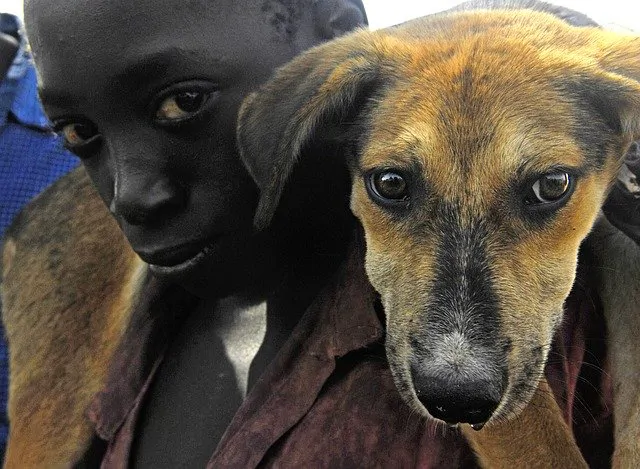 Animal vaccination plays a vital role in public health in the broadest sense and in the prevention of zoonoses—diseases that can be transmitted between humans and animals. In fact, more than 70% of animal diseases can be transmitted to humans
.
Vaccines play a vital role in preventing these risks by protecting animal health, food safety, and public health. Vaccinating animals means safeguarding human and public health.
For example, vaccinating poultry against Salmonella has reduced cases of salmonellosis in humans in Europe by nearly half since 2004
. Vaccination programs have also led to the eradication of rabies in several European countries. By vaccinating 70% of a local dog population against rabies, it is possible to reduce the number of human cases to virtually zero
—a significant solution, given that the World Health Organization still reports that tens of thousands of people die each year from rabies.
Vaccinating animals remains a key component of disease prevention and the protection of both animal and human health. It offers real benefits for public health (by preventing complications related to the diseases in question) as well as economic benefits (by reducing the need for medical care). Failing to vaccinate is an act of cruelty and ignorance.
The American Veterinary Medical Association (AVMA), the Federation of Veterinarians of Europe (FVE), and the Canadian Veterinary Medical Association (ACMV) believe that
it is the responsibility of the veterinary profession to help educate the public about the benefits of vaccines
in promoting animal health, human health, and public health. But it is also their responsibility to assess the risks and benefits of vaccination protocols in light of the preventive health care needs of numerous species and individuals.
Animal vaccination plays a vital role in public health in the broadest sense and in the prevention of zoonoses—diseases that can be transmitted between humans and animals. In fact, more than 70% of animal diseases can be transmitted to humans
.
Vaccines play a vital role in preventing these risks by protecting animal health, food safety, and public health. Vaccinating animals means safeguarding human and public health.
For example, vaccinating poultry against Salmonella has reduced cases of salmonellosis in humans in Europe by nearly half since 2004
. Vaccination programs have also led to the eradication of rabies in several European countries. By vaccinating 70% of a local dog population against rabies, it is possible to reduce the number of human cases to virtually zero
—a significant solution, given that the World Health Organization still reports that tens of thousands of people die each year from rabies.
Vaccinating animals remains a key component of disease prevention and the protection of both animal and human health. It offers real benefits for public health (by preventing complications related to the diseases in question) as well as economic benefits (by reducing the need for medical care). Failing to vaccinate is an act of cruelty and ignorance.
The American Veterinary Medical Association (AVMA), the Federation of Veterinarians of Europe (FVE), and the Canadian Veterinary Medical Association (ACMV) believe that
it is the responsibility of the veterinary profession to help educate the public about the benefits of vaccines
in promoting animal health, human health, and public health. But it is also their responsibility to assess the risks and benefits of vaccination protocols in light of the preventive health care needs of numerous species and individuals.
Commentaires
No comments yet.
Sign in to comment