

Back to articles
Policy & Regulation
Accredited veterinarian
Animal Identification
Donkey
Draft horse
Equine
Equine identification
Equine Information System
Equine Passport
French Horse and Riding Institute
Horse Identification
Horse Industry
Horse meat
Horse Meat Scandal
IFCE
Microchip
Racehorses
SIRE
Thoroughbreds
Traceability
Transponder
Veterinarian
Equine Identification: New EU Regulations Take Effect on January 1, 2016
V
Vetitude
12/04/2015
5 min read
0 comments
Share:
On January 1 of next year, Regulation 2015/262* on the equine passport will take effect. Adopted by the European Commission in February 2015, it establishes new EU rules regarding equine identification for equines born or imported into the Union. This regulation aims to ensure better traceability within the food chain, as well as to secure the animal identification data required for certification or official controls. This involves, in particular, the establishment of a centralized database in each Member State and the adoption of new, more secure and comprehensive identification document templates.
This revision of the European equine identification system has implications for the procedures followed by equid keepers and for the duties of authorized identifiers, such as veterinarians or agents of the French Horse and Riding Institute (IFCE). Consequently, the system now consists of four elements:
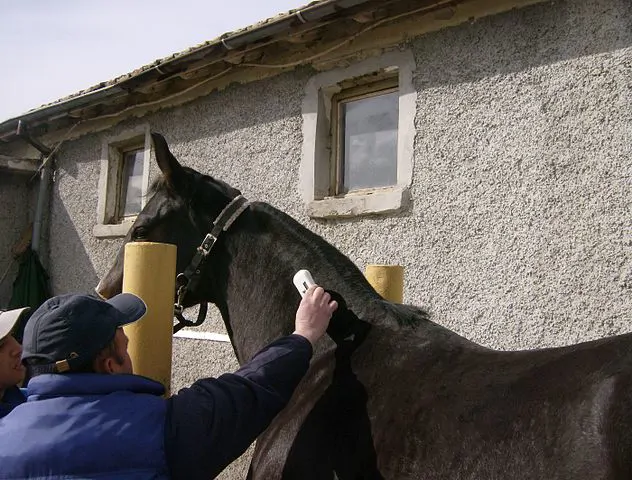 The new requirement is the graphic description, which becomes mandatory for all equines upon their first identification, regardless of their origin, use, or future status. The identifier must systematically draw a sketch of the animal at the same time the microchip is implanted.
To limit the number of animal identification procedures, the coded descriptive description recorded in the field is eliminated and will now be derived from the graphic description entered via
the SIRE when the field identification form is completed, for equines other than racehorses and donkeys. Since the EU regulation is not retroactive, it is not necessary to include a sketch on identification documents that have already been issued.
The costs associated with these changes will be reflected in the fees for SIRE services. The registration certificate fee will therefore increase in 2016, rising to €7 for the mandatory online registration of any change of ownership, or to €23 for a paper certificate.
The EU regulation also defines a new model for the single identification document, notably changing the order of the sections and requiring a more secure binding method. Taking advantage of this overhaul, the IFCE has modernized the documents issued by SIRE. Starting next year, a new standardized template will be issued, featuring metal-ring binding and reorganized sections. This document will be identical for all equines (thoroughbreds, draft horses, donkeys, or horses of unregistered origin). The registration certificate template will also be standardized.
Another change: as of January 1, identity certification for competition entry will be eliminated
. It remains in effect only for racehorses at the age of twelve months, for which validation is still mandatory, and potentially for breeding purposes, where, depending on the breed, validation or identity certification may be required.
For the identifier, validation requires making a drawing on the identification document and adding any changes to the initial descriptive characteristics. The document must then be returned to SIRE for registration of the new description and validation. In the case of certification, the identifier verifies the animal’s identity (sex, coat color, transponder) and is the only person authorized to register it online.
In 2016, the procedures to be followed by the identifier also changed for imported horses. Thus, any equine entering the European Union must be registered with SIRE within two months. Depending on the breed, the type of passport, and the animal’s intended use, an identifier may or may not be required to confirm its identity through
validation or certification.
Equines born in the European Union, for their part, must be identified no later than twelve months of age and, in any case, before leaving the farm where they were born. However, Member States may decide to limit the maximum period allowed for equine identification to six months or to the calendar year of birth.
Finally, the new regulation strengthens traceability requirements regarding the status of equines for human consumption to ensure food safety. In particular,
it provides for the permanent exclusion of equines whose identification document is not issued within twelve months of their birth, with no exceptions.
Any exclusion from the meat supply chain must also be reported to the central database, either by
the equine keeper submitting a copy of the completed medication record, or by
the veterinarian via an online application (www.ifce.fr
).
* EU Implementing Regulation (EU) 2015/262 of February 17, 2015, laying down rules in accordance with Council Directives 90/427/EEC and 2009/156/EC regarding methods for equine identification (Equine Passport Regulation), published in the Official Journal of the European Union on March 3, 2015. Repeals Regulation (EC) No. 504/2008.
http://eur-lex.europa.eu/legal-content/FR/TXT/?uri=CELEX:32015R0262
The new requirement is the graphic description, which becomes mandatory for all equines upon their first identification, regardless of their origin, use, or future status. The identifier must systematically draw a sketch of the animal at the same time the microchip is implanted.
To limit the number of animal identification procedures, the coded descriptive description recorded in the field is eliminated and will now be derived from the graphic description entered via
the SIRE when the field identification form is completed, for equines other than racehorses and donkeys. Since the EU regulation is not retroactive, it is not necessary to include a sketch on identification documents that have already been issued.
The costs associated with these changes will be reflected in the fees for SIRE services. The registration certificate fee will therefore increase in 2016, rising to €7 for the mandatory online registration of any change of ownership, or to €23 for a paper certificate.
The EU regulation also defines a new model for the single identification document, notably changing the order of the sections and requiring a more secure binding method. Taking advantage of this overhaul, the IFCE has modernized the documents issued by SIRE. Starting next year, a new standardized template will be issued, featuring metal-ring binding and reorganized sections. This document will be identical for all equines (thoroughbreds, draft horses, donkeys, or horses of unregistered origin). The registration certificate template will also be standardized.
Another change: as of January 1, identity certification for competition entry will be eliminated
. It remains in effect only for racehorses at the age of twelve months, for which validation is still mandatory, and potentially for breeding purposes, where, depending on the breed, validation or identity certification may be required.
For the identifier, validation requires making a drawing on the identification document and adding any changes to the initial descriptive characteristics. The document must then be returned to SIRE for registration of the new description and validation. In the case of certification, the identifier verifies the animal’s identity (sex, coat color, transponder) and is the only person authorized to register it online.
In 2016, the procedures to be followed by the identifier also changed for imported horses. Thus, any equine entering the European Union must be registered with SIRE within two months. Depending on the breed, the type of passport, and the animal’s intended use, an identifier may or may not be required to confirm its identity through
validation or certification.
Equines born in the European Union, for their part, must be identified no later than twelve months of age and, in any case, before leaving the farm where they were born. However, Member States may decide to limit the maximum period allowed for equine identification to six months or to the calendar year of birth.
Finally, the new regulation strengthens traceability requirements regarding the status of equines for human consumption to ensure food safety. In particular,
it provides for the permanent exclusion of equines whose identification document is not issued within twelve months of their birth, with no exceptions.
Any exclusion from the meat supply chain must also be reported to the central database, either by
the equine keeper submitting a copy of the completed medication record, or by
the veterinarian via an online application (www.ifce.fr
).
* EU Implementing Regulation (EU) 2015/262 of February 17, 2015, laying down rules in accordance with Council Directives 90/427/EEC and 2009/156/EC regarding methods for equine identification (Equine Passport Regulation), published in the Official Journal of the European Union on March 3, 2015. Repeals Regulation (EC) No. 504/2008.
http://eur-lex.europa.eu/legal-content/FR/TXT/?uri=CELEX:32015R0262
- a single, lifetime-valid identification document that includes a descriptive record of the equine and its markings, a graphical record of the markings recorded, and a section detailing any changes made to the identification data;
- a method for verifying identity (transponder);
- a database where information about the animal and its owner is recorded, and which assigns the equine a unique, lifetime-valid number;
- a central database.
Commentaires
No comments yet.
Sign in to comment