

Back to articles
Policy & Regulation
African swine fever
Animal disease
Animal health
Animal welfare
Avian influenza
Bovine Brucellosis
Bovine tuberculosis
Classical swine fever
EAST
Rabies
Salmonellosis
Swine Fever
Transmissible Spongiform Encephalopathy
Zoonosis
Animal Health: Brussels Allocates 161 Million to Combat Animal Diseases and Zoonoses
V
Vetitude
01/12/2016
2 min read
0 comments
Share:
In 2016, the European Union will commit approximately 161 million euros to support eradication, control, and surveillance programs aimed at eradicating animal diseases and zoonoses, as well as strengthening the protection of human and animal health. This funding is intended to help Member State authorities implement the necessary precautionary, surveillance, and control measures.
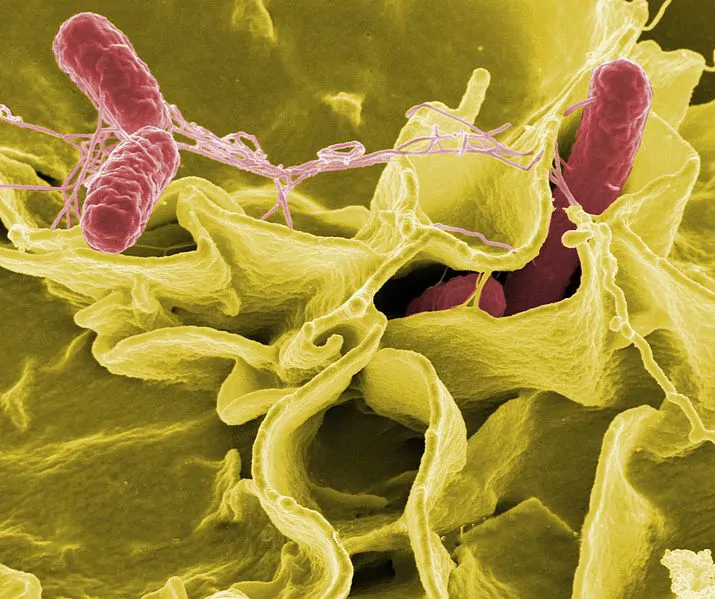 Given the impact of animal diseases on global human health, as well as on the economy and trade, the EU’s funding will support disease control and eradication plans implemented at both the national and European levels.
A total of 130 selected programs will receive European funds under Regulation 652/2014* on the management of expenditures related to food safety. The diseases covered include:
Given the impact of animal diseases on global human health, as well as on the economy and trade, the EU’s funding will support disease control and eradication plans implemented at both the national and European levels.
A total of 130 selected programs will receive European funds under Regulation 652/2014* on the management of expenditures related to food safety. The diseases covered include:
- bovine tuberculosis: approximately 62 million;
- transmissible spongiform encephalopathies (TSEs): approximately 12 million;
- rabies: 26 million;
- salmonellosis: approximately 17 million;
- bovine brucellosis: approximately 10 million;
- classical swine fever: 2.5 million;
- avian influenza: 2 million.
- African swine fever will receive an additional 7 million this year compared to 2015, primarily for eradication and control programs in the four Member States affected by the disease in 2013 (Lithuania, Poland, Latvia, and Estonia).
Commentaires
No comments yet.
Sign in to comment