

Back to articles
Animal Health and Customs: Toward Enhanced Global Cooperation
B
bertrand-neveux
02/25/2015
3 min read
0 comments
Share:
On January 15 in Brussels, Bernard Vallat, Director General of the World Organisation for Animal Health (WOAH), met with his counterpart at the World Customs Organization (WCO), Kunio Mikuriya. The two men explored ways to strengthen collaboration between customs and veterinary services to improve border security. At the same time, WOAH recommends that its members step up surveillance of animal diseases.
Customs authorities are, in particular, key partners in detecting and seizing counterfeit products, such as veterinary medicinal products, which in some countries are 80% counterfeit. Both organizations are also active in related areas, such as reducing biological risks and protecting biodiversity (combating environmental crimes, controlling invasive alien species, etc.).
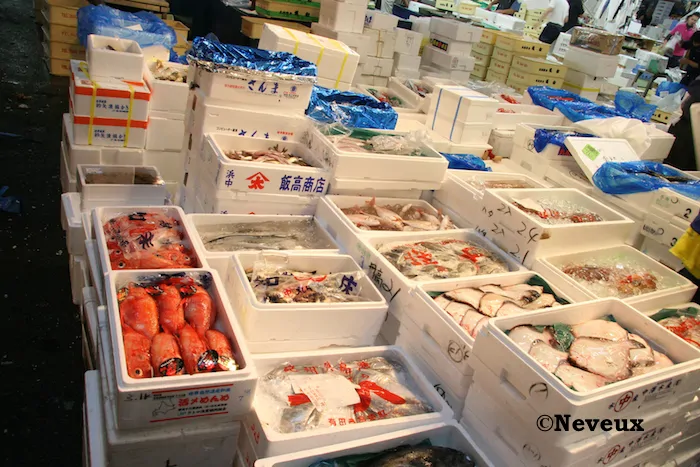 Strengthening the joint capabilities of the WOAH and the WCO will focus on coordinated border management and the implementation of certain provisions of the World Trade Organization’s (WTO) Trade Facilitation Agreement. By comparing their standards, tools, and databases, and utilizing their respective risk management systems, the goal is to enhance the security of cross-border trade.
Another area of focus: the detection of animal diseases
This is because the globalization of trade (in animals, people, and goods) has simultaneously increased the potential for pathogens to spread across the globe, as recently demonstrated by the spread of the new HPAI H5N8 virus in Asia and Europe, or the spread of Ebola.
WOAH is therefore calling on its 180 member countries to strengthen their systems for monitoring and detecting animal diseases within their borders, and even recommends making this a major objective of national health policies.
Although the H5N8 strain has not been isolated in humans, the WOAH stresses the need to remain vigilant given the ability of influenza viruses to mutate. With 75% of emerging human diseases stemming from animal-borne pathogens, the “One Health” concept takes on its full significance and importance in this context.
Strengthening the joint capabilities of the WOAH and the WCO will focus on coordinated border management and the implementation of certain provisions of the World Trade Organization’s (WTO) Trade Facilitation Agreement. By comparing their standards, tools, and databases, and utilizing their respective risk management systems, the goal is to enhance the security of cross-border trade.
Another area of focus: the detection of animal diseases
This is because the globalization of trade (in animals, people, and goods) has simultaneously increased the potential for pathogens to spread across the globe, as recently demonstrated by the spread of the new HPAI H5N8 virus in Asia and Europe, or the spread of Ebola.
WOAH is therefore calling on its 180 member countries to strengthen their systems for monitoring and detecting animal diseases within their borders, and even recommends making this a major objective of national health policies.
Although the H5N8 strain has not been isolated in humans, the WOAH stresses the need to remain vigilant given the ability of influenza viruses to mutate. With 75% of emerging human diseases stemming from animal-borne pathogens, the “One Health” concept takes on its full significance and importance in this context.
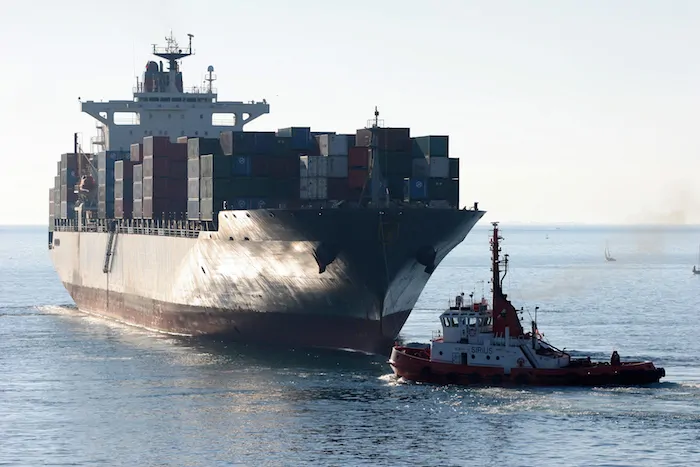 Competent and well-organized veterinary services are essential for early detection and a rapid response when disease outbreaks occur, whether in wild animals or domestic animals. Globally, tools exist to prevent panzootics and pandemics at their animal source, such as the program to improve the performance of national veterinary services (PVS Pathway) led by WOAH, the WHO International Health Regulations, and WOAH’s Wahis animal health information system. “These tools should be disseminated and made available as a priority to developing countries, where the surge in demand for animal proteins will shift livestock farming practices toward intensive farming systems that will require closer veterinary oversight. And we must act quickly, because pathogens don’t wait,” warns Bernard Vallat.
A Problematic Trade Facilitation Agreement
During his New Year’s address to the press, Bernard Vallat had mentioned the troubling trade facilitation agreement proposed by the WTO last year. For the signatory countries, this means:
Competent and well-organized veterinary services are essential for early detection and a rapid response when disease outbreaks occur, whether in wild animals or domestic animals. Globally, tools exist to prevent panzootics and pandemics at their animal source, such as the program to improve the performance of national veterinary services (PVS Pathway) led by WOAH, the WHO International Health Regulations, and WOAH’s Wahis animal health information system. “These tools should be disseminated and made available as a priority to developing countries, where the surge in demand for animal proteins will shift livestock farming practices toward intensive farming systems that will require closer veterinary oversight. And we must act quickly, because pathogens don’t wait,” warns Bernard Vallat.
A Problematic Trade Facilitation Agreement
During his New Year’s address to the press, Bernard Vallat had mentioned the troubling trade facilitation agreement proposed by the WTO last year. For the signatory countries, this means:
- to speed up sanitary procedures in exporting countries, even when those countries are known to be infected,
- faster release of perishable goods, despite the fact that these are inevitably the products at highest risk,
- simplifying transit procedures,
- standardizing procedures at border crossings.
Commentaires
No comments yet.
Sign in to comment