

Back to articles
The West Nile virus is transmitted from mosquito to mosquito through their feces
V
Vetitude
04/16/2024
2 min read
0 comments
Share:
The West Nile virus persists within Culex mosquito populations through the infectious feces they produce, without the need to infect intermediate vertebrate hosts. The discovery of this new “diagonal” mode of transmission could upend epidemiologists’ control strategies aimed at predicting and controlling the spread of West Nile disease via its primary vector.
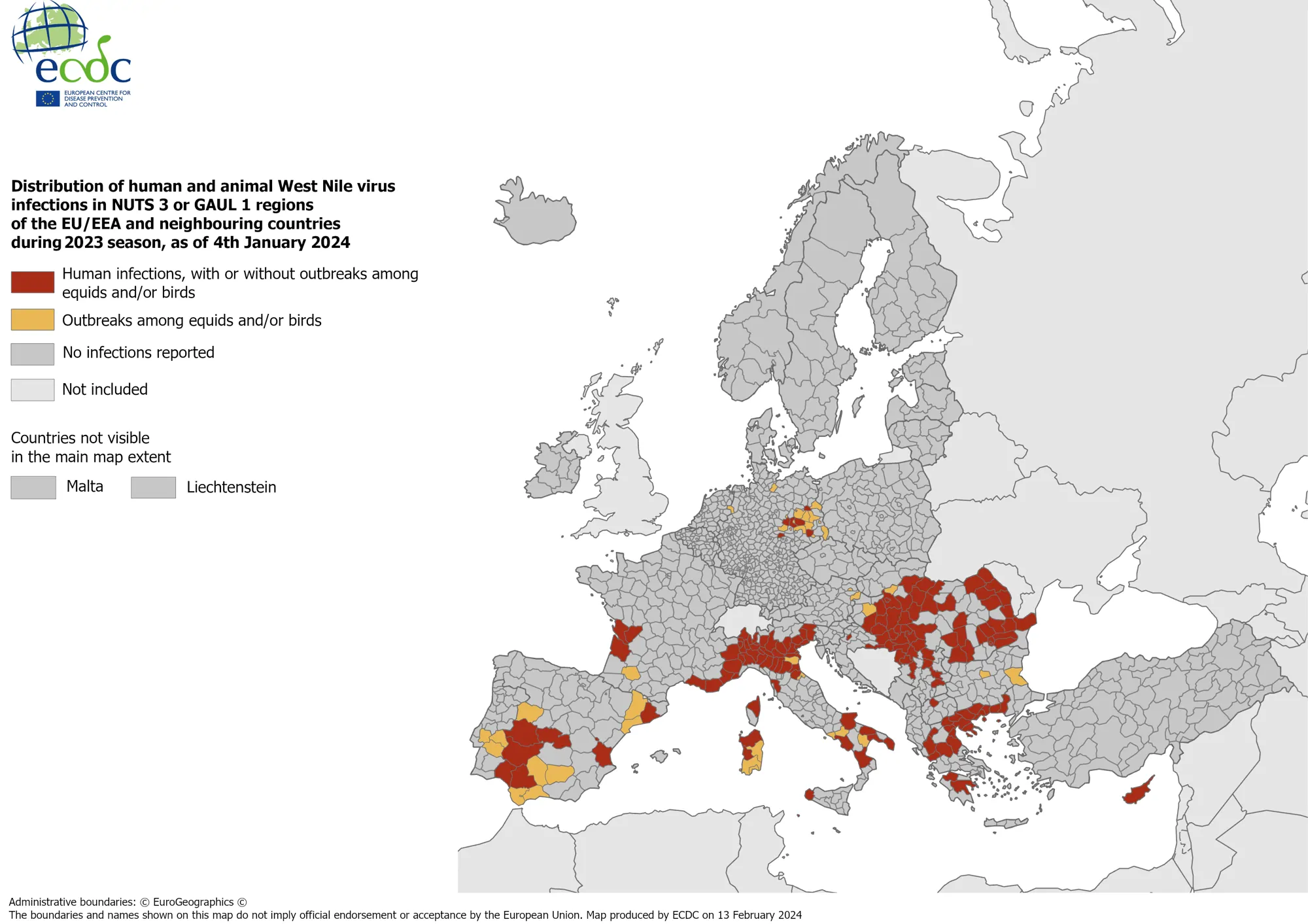
West Nile virus infection is the most common mosquito-borne disease in the United States. It affects thousands of people each year, and more than 2,750 deaths have been recorded since its emergence in the country in 1999. The virus is now also widespread in Europe, particularly in France.
 The authors of a new study have discovered a previously unknown route of transmission for the virus, which could explain why this pathogen is so “resilient”! Initially, the scientific study aimed to determine whether it was feasible to track the virus’s spread in nature using mosquito feces. In the laboratory, the virus was inoculated into Culex quinquefasciatus mosquitoes by feeding them infected blood.
Detecting viral material in mosquito feces is not new. However, this is the first time that transmission of the live—and therefore infectious—West Nile virus via feces has been demonstrated. To do this, the study authors placed mosquito pupae in water containing feces from mosquitoes infected with the virus, to replicate the egg-laying process in nature. The result: 17% of the adult mosquitoes that eventually emerged from this developmental cycle were carrying the virus!
However, mathematical modeling suggests that contamination between mosquitoes via their feces is unlikely to increase transmission to humans. But this discovery would explain how this new mode of transmission—known as “diagonal” transmission—can help sustain the pathogen in mosquito populations in the absence of warm-blooded hosts! This calls for a revision of the epidemic prediction models commonly used to date.
It remains to be determined, however, whether the amount of mosquito feces that ends up in the water—where mosquitoes breed and where the West Nile virus can survive—is sufficient to sustain an infectious viral reservoir.
The authors of a new study have discovered a previously unknown route of transmission for the virus, which could explain why this pathogen is so “resilient”! Initially, the scientific study aimed to determine whether it was feasible to track the virus’s spread in nature using mosquito feces. In the laboratory, the virus was inoculated into Culex quinquefasciatus mosquitoes by feeding them infected blood.
Detecting viral material in mosquito feces is not new. However, this is the first time that transmission of the live—and therefore infectious—West Nile virus via feces has been demonstrated. To do this, the study authors placed mosquito pupae in water containing feces from mosquitoes infected with the virus, to replicate the egg-laying process in nature. The result: 17% of the adult mosquitoes that eventually emerged from this developmental cycle were carrying the virus!
However, mathematical modeling suggests that contamination between mosquitoes via their feces is unlikely to increase transmission to humans. But this discovery would explain how this new mode of transmission—known as “diagonal” transmission—can help sustain the pathogen in mosquito populations in the absence of warm-blooded hosts! This calls for a revision of the epidemic prediction models commonly used to date.
It remains to be determined, however, whether the amount of mosquito feces that ends up in the water—where mosquitoes breed and where the West Nile virus can survive—is sufficient to sustain an infectious viral reservoir.

Zoonoses: West Nile and Usutu viruses circulate in bird populations
Further Reading
Why is the horse a key sentinel for West Nile virus circulation in Europe?
A review of the 2023 West Nile virus transmission season in Europe
West Nile fever: light pollution increases the risk of an epidemic by 41%
Zoonoses: West Nile and Usutu viruses circulate in bird populations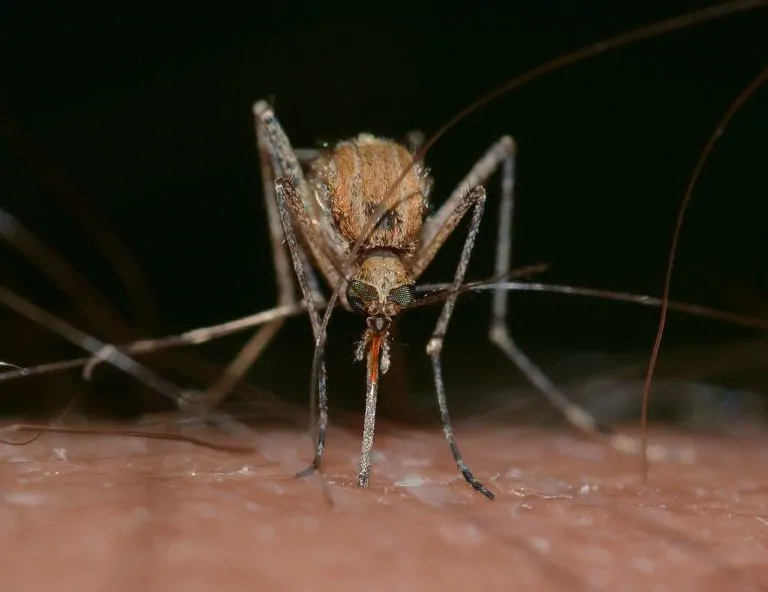
West Nile fever: The spread of this zoonosis in Europe
Read next
Outbreaks & Epidemiology
10/07/2026
H5N1 should now be treated as a permanent systemic risk, not a succession of outbreaks
Outbreaks & Epidemiology
10/07/2026
African swine fever progresses faster in wild boar than in domestic pigs
Outbreaks & Epidemiology
10/05/2026
Commentaires
No comments yet.
Sign in to comment