

Back to articles
Veterinary Business
Disciplinary Committee
Mastitis
Professional Disciplinary Committee
Veterinarian
Veterinary act
Veterinary Consultation
Veterinary Council
Veterinary Diagnosis
Veterinary medicine
The purpose of a veterinary consultation is not necessarily to make a diagnosis
V
Vetitude
06/22/2015
3 min read
0 comments
Share:
The Council of State ruled on a decision by the veterinary professional association that had sanctioned a clinic for offering “free consultations,” an advertisement deemed misleading. However, according to the high court, the link between the consultation and the diagnosis is not automatic.
It all began with a hearing before the disciplinary chamber of the Veterinary Council against a limited liability private practice for “using advertising likely to mislead the public by offering free consultations.” This limited liability veterinary practice (SELARL), during a livestock show held in Cournon d’Auvergne (Puy-de-Dôme), had in fact offered “free veterinary consultations” at its booth on topics such as “nutrition, mastitis, diarrhea, and lameness.”
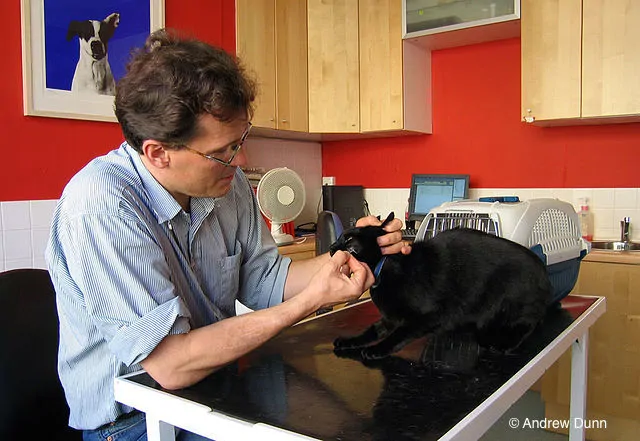 The disciplinary chamber of the veterinary association then relied on a definition of a consultation as a branch of veterinary medicine “during which the practitioner makes a diagnosis after gathering the necessary medical history and conducting a clinical examination of the animal(s).”
In contrast, according to the Council of State, “the purpose of a consultation is not necessarily to establish a diagnosis, that is, to determine the state of health of an animal or a group of animals or to assess a health risk, but it may involve other veterinary acts, such as the prevention of diseases, injuries, pain, or malformations.”
Thus, the high court bases its ruling on the definition of the practice of veterinary medicine set forth in Article L.243-1 of the Rural Code: it refers to “any act intended to determine the physiological condition of an animal or a group of animals or its state of health, to diagnose a disease, including behavioral disorders, an injury, pain, or deformity; to prevent or treat them; or to prescribe medications or administer them parenterally.”
For its part, as specified in Article R.242-43 of the code of professional conduct, “the purpose of a veterinary diagnosis is to determine the state of health of an animal or a group of animals or to assess a health risk. The veterinarian makes a veterinary diagnosis following a consultation, which includes, in particular, a clinical examination of the animal(s).” The same applies in the context of health surveillance of livestock herds in which the veterinarian regularly dispenses veterinary care to the animals.
Thus, considering that the purpose of a veterinary consultation is not necessarily to make a diagnosis—that is, to determine the state of health of an animal or a group of animals or to assess a health risk— but may instead involve other veterinary acts reserved for veterinarians, and given that the collection of the animal’s medical history and the examination of the animal are mandatory only for the purpose of establishing a veterinary diagnosis, the Order’s Disciplinary Chamber committed an error of law. For this reason alone, its decision was therefore overturned by the Council of State.
The disciplinary chamber of the veterinary association then relied on a definition of a consultation as a branch of veterinary medicine “during which the practitioner makes a diagnosis after gathering the necessary medical history and conducting a clinical examination of the animal(s).”
In contrast, according to the Council of State, “the purpose of a consultation is not necessarily to establish a diagnosis, that is, to determine the state of health of an animal or a group of animals or to assess a health risk, but it may involve other veterinary acts, such as the prevention of diseases, injuries, pain, or malformations.”
Thus, the high court bases its ruling on the definition of the practice of veterinary medicine set forth in Article L.243-1 of the Rural Code: it refers to “any act intended to determine the physiological condition of an animal or a group of animals or its state of health, to diagnose a disease, including behavioral disorders, an injury, pain, or deformity; to prevent or treat them; or to prescribe medications or administer them parenterally.”
For its part, as specified in Article R.242-43 of the code of professional conduct, “the purpose of a veterinary diagnosis is to determine the state of health of an animal or a group of animals or to assess a health risk. The veterinarian makes a veterinary diagnosis following a consultation, which includes, in particular, a clinical examination of the animal(s).” The same applies in the context of health surveillance of livestock herds in which the veterinarian regularly dispenses veterinary care to the animals.
Thus, considering that the purpose of a veterinary consultation is not necessarily to make a diagnosis—that is, to determine the state of health of an animal or a group of animals or to assess a health risk— but may instead involve other veterinary acts reserved for veterinarians, and given that the collection of the animal’s medical history and the examination of the animal are mandatory only for the purpose of establishing a veterinary diagnosis, the Order’s Disciplinary Chamber committed an error of law. For this reason alone, its decision was therefore overturned by the Council of State.
Read next
Veterinary Business
10/04/2026
Pet owners preferred ChatGPT answers to a veterinarian’s but the study did not test clinical accuracy
Veterinary Business
03/18/2025
Veterinary Education: VetAgro Sup (36th) and national veterinary school Alfort (49th) in the 2025 ranking of the world's best schools
Veterinary Business
04/11/2024
Commentaires
No comments yet.
Sign in to comment