

Back to articles
Veterinary Business
Employed Veterinarian
Veterinarian
Veterinary clinic
Veterinary practice
Veterinary profession
Becoming a veterinarian: a life choice that is ultimately a matter of vocation and a strong sense of identity
V
Vetitude
06/09/2015
4 min read
0 comments
Share:
Even today, their career choice remains an integral part of veterinarians’ professional identity. Yet the landscape has changed; the veterinary profession has modernized, is increasingly adopting a corporate culture, and its values are undergoing a (r)evolution. A British survey* explored the concept of veterinary career identity to help the veterinary profession adapt to the constant changes in its sector.
The decision to pursue a career in veterinary medicine is still largely driven by vocation: many veterinarians make this choice at a very young age, feeling as though they were born for it. On the other hand, aspiring veterinarians are often unrealistic about what the veterinary profession actually entails today. They may then find themselves trapped in a career for which they are ultimately ill-suited.
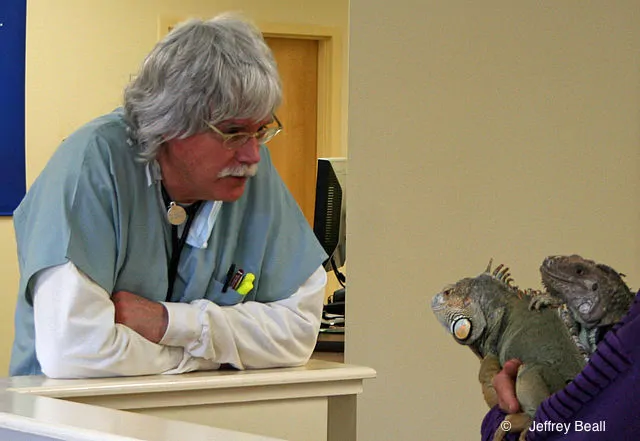 The recently published British study examines the concept of “career identity” among veterinarians, noting that for most of them, their professional activity forms the cornerstone of that identity. Thus, anyone who chooses to be a veterinarian will always remain one. No matter what they do in life, they will be a veterinarian above all else. As the study notes, “the strength of veterinary identity cannot be underestimated.” Consequently, this can make a potential career change more difficult; the emotional process involved in leaving the profession is, in fact, far from straightforward.
The editorial** accompanying the survey also points to a shift in mindset: traditionally, veterinarians’ professional identity was primarily individualistic. They readily opted for solo practice, hanging out their own sign and waiting for clients. In doing so, they adopted their own ethical standards, with a high degree of individuality, which allowed them to be themselves while practicing as veterinarians, achieving a satisfying alignment between their personal values and their daily work. Many veterinary students still hold this mindset.
Today, the reality is different; corporate culture has become the norm. The veterinary profession is increasingly practiced within corporate structures, and veterinarians are turning more toward salaried positions rather than private practice. As individuals, they feel the need to adhere to organizational values rather than personal ones. The survey also reveals that many veterinarians view chain veterinary clinics or large, overly “commercial” structures as unethical. One consequence is that recent graduates bounce from one job to another in an effort to find a career identity (“what I do”) that aligns with their vision of their own identity (“who I am”). However, in the world of veterinary employment, they can never achieve what they are seeking, nor bridge this gap.
According to the authors, veterinary companies must rise to the challenge of positively changing the way their ethics are perceived within the veterinary profession… or even changing them altogether. The study also suggests that these firms can gain a competitive advantage and their employees can achieve greater validation and fulfillment by working toward congruence between organizational and individual identity. Similarly, training professionals who keep the current reality of the workplace in mind helps produce graduates with a more enduring professional identity.
Thus, the development of professional identity is a crucial part of veterinary training. This is because how one perceives oneself as a professional has implications for behavior, professional ethics, and the way one interacts with the world.
Career identity is one of a person’s many social identities, but socialization within the professional community provides a sense of stability, a sense of belonging to shared values, and contributes to self-esteem. Since self-esteem is heavily dependent on professional identity, individuals may become vulnerable when it is threatened—for example, by illness, complaints, errors, disciplinary proceedings, job dissatisfaction, or adverse clinical outcomes. These threats can have catastrophic psychological effects on people who have invested heavily in their identity as professionals. There is a lack of research on the impact of lawsuits and disciplinary proceedings on veterinarians. However, a recent cross-sectional survey on the consequences of litigation on the well-being, health, and clinical practice of some 8,000 physicians in the United Kingdom found that those who had faced such situations were at increased risk of depression, anxiety, and suicidal thoughts (read our article).
Yet the veterinary profession has a high suicide rate compared to the general population. Certain norms associated with veterinary identity can undermine morale. A better understanding of how this identity is formed and maintained—and of how stressors influence the risk of psychological distress and individual health problems—could lead to the development of more effective support for veterinarians in distress.
* http://www.ncbi.nlm.nih.gov/pubmed/25564471
** http://veterinaryrecord.bmj.com/content/176/17/431.full
The recently published British study examines the concept of “career identity” among veterinarians, noting that for most of them, their professional activity forms the cornerstone of that identity. Thus, anyone who chooses to be a veterinarian will always remain one. No matter what they do in life, they will be a veterinarian above all else. As the study notes, “the strength of veterinary identity cannot be underestimated.” Consequently, this can make a potential career change more difficult; the emotional process involved in leaving the profession is, in fact, far from straightforward.
The editorial** accompanying the survey also points to a shift in mindset: traditionally, veterinarians’ professional identity was primarily individualistic. They readily opted for solo practice, hanging out their own sign and waiting for clients. In doing so, they adopted their own ethical standards, with a high degree of individuality, which allowed them to be themselves while practicing as veterinarians, achieving a satisfying alignment between their personal values and their daily work. Many veterinary students still hold this mindset.
Today, the reality is different; corporate culture has become the norm. The veterinary profession is increasingly practiced within corporate structures, and veterinarians are turning more toward salaried positions rather than private practice. As individuals, they feel the need to adhere to organizational values rather than personal ones. The survey also reveals that many veterinarians view chain veterinary clinics or large, overly “commercial” structures as unethical. One consequence is that recent graduates bounce from one job to another in an effort to find a career identity (“what I do”) that aligns with their vision of their own identity (“who I am”). However, in the world of veterinary employment, they can never achieve what they are seeking, nor bridge this gap.
According to the authors, veterinary companies must rise to the challenge of positively changing the way their ethics are perceived within the veterinary profession… or even changing them altogether. The study also suggests that these firms can gain a competitive advantage and their employees can achieve greater validation and fulfillment by working toward congruence between organizational and individual identity. Similarly, training professionals who keep the current reality of the workplace in mind helps produce graduates with a more enduring professional identity.
Thus, the development of professional identity is a crucial part of veterinary training. This is because how one perceives oneself as a professional has implications for behavior, professional ethics, and the way one interacts with the world.
Career identity is one of a person’s many social identities, but socialization within the professional community provides a sense of stability, a sense of belonging to shared values, and contributes to self-esteem. Since self-esteem is heavily dependent on professional identity, individuals may become vulnerable when it is threatened—for example, by illness, complaints, errors, disciplinary proceedings, job dissatisfaction, or adverse clinical outcomes. These threats can have catastrophic psychological effects on people who have invested heavily in their identity as professionals. There is a lack of research on the impact of lawsuits and disciplinary proceedings on veterinarians. However, a recent cross-sectional survey on the consequences of litigation on the well-being, health, and clinical practice of some 8,000 physicians in the United Kingdom found that those who had faced such situations were at increased risk of depression, anxiety, and suicidal thoughts (read our article).
Yet the veterinary profession has a high suicide rate compared to the general population. Certain norms associated with veterinary identity can undermine morale. A better understanding of how this identity is formed and maintained—and of how stressors influence the risk of psychological distress and individual health problems—could lead to the development of more effective support for veterinarians in distress.
* http://www.ncbi.nlm.nih.gov/pubmed/25564471
** http://veterinaryrecord.bmj.com/content/176/17/431.full
Read next
Veterinary Business
10/04/2026
Pet owners preferred ChatGPT answers to a veterinarian’s but the study did not test clinical accuracy
Veterinary Business
03/18/2025
Veterinary Education: VetAgro Sup (36th) and national veterinary school Alfort (49th) in the 2025 ranking of the world's best schools
Veterinary Business
04/11/2024
Commentaires
No comments yet.
Sign in to comment