

Back to articles
Veterinary Business
Animal health
Food safety
Healthcare Network
Nurse
Veterinarian
Veterinary act
Veterinary assistant
Veterinary clinic
Veterinary Hospital
Veterinary medicine
Veterinary network coverage
Veterinary profession
Veterinary services
Veterinary students
Veterinary Technicians
VPA
Assistant Veterinarian: The debate over this new rank has begun in the United States and is already sparking controversy
V
Vetitude
06/21/2015
5 min read
0 comments
Share:
The University of Colorado has just dropped a bombshell that is sure to keep making waves. As part of the necessary evolution of the veterinary profession across the Atlantic, the proposed solution could well influence its future. The idea, which is sparking debate, is to create an intermediate professional level between the veterinary assistant and the veterinarian, comparable to a physician assistant or nurse practitioner in human medicine. It’s a proposal that the veterinary profession across the Atlantic would prefer to let fall by the wayside…
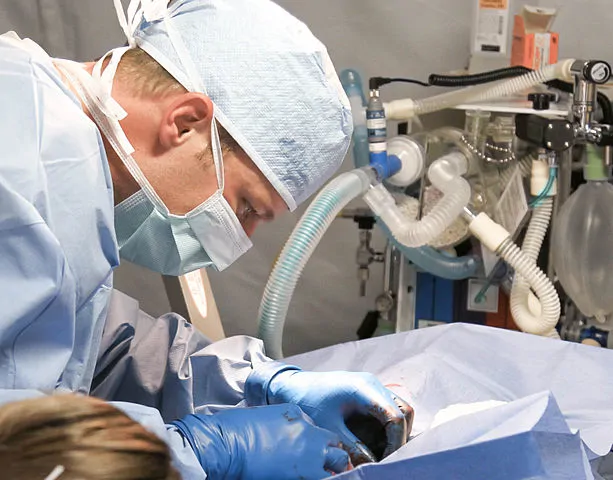 At a forum organized by the Colorado Veterinary Medical Association, the idea was proposed to create a three-semester master’s program leading to a new professional title: veterinary professional associate (VPA). Much like physician assistants in human medicine, these VPAs could focus on areas where there is a shortage of veterinarians. This would help expand veterinary network coverage—both in terms of geographic area and the range of services provided—while lowering costs. By performing some routine procedures under the supervision of a veterinarian, VPAs would free up practitioners’ time to focus on the most demanding aspects of their profession, thereby helping to prevent the burnout that can result from long working hours and on-call duties. Furthermore, they would meet the growing needs of veterinary services in the public health sector and animal health laboratories. Thus, the duties of veterinary practice assistants would be limited to certain veterinary acts and would vary according to each state’s codes and laws, which would need to be amended accordingly.
Across the Atlantic, the veterinary profession already works alongside veterinary technicians—the majority of whom are women—who complain of a widespread disconnect between their skills, which far exceed those of veterinary nurses, and their earnings, which remain significantly lower. Furthermore, they often feel frustrated by the fact that the financial growth of the veterinary hospitals that employ them does not translate into higher pay for them. In a 2008 survey conducted by the National Association of Veterinary Technicians in America, nearly 79% of veterinary technicians surveyed about their salaries felt they were so underpaid that they were considering leaving the veterinary profession. Only 43% reported being satisfied and determined to continue their careers in this field. For some technicians, disappointment with salary levels is compounded by the size of the debt they incurred for their education. Although the two-year training program is offered by many colleges and universities at an affordable price, private programs remain very expensive (ranging from €26,000 to €35,000 per year).
For its part, the three-semester VPA training program offered by the University of Colorado could reduce the cost of education for these paraprofessionals and the hiring costs for veterinary clinics, create positions with higher earning potential, and provide a more satisfying career path for those who wish to practice veterinary medicine at this intermediate level.
At a forum organized by the Colorado Veterinary Medical Association, the idea was proposed to create a three-semester master’s program leading to a new professional title: veterinary professional associate (VPA). Much like physician assistants in human medicine, these VPAs could focus on areas where there is a shortage of veterinarians. This would help expand veterinary network coverage—both in terms of geographic area and the range of services provided—while lowering costs. By performing some routine procedures under the supervision of a veterinarian, VPAs would free up practitioners’ time to focus on the most demanding aspects of their profession, thereby helping to prevent the burnout that can result from long working hours and on-call duties. Furthermore, they would meet the growing needs of veterinary services in the public health sector and animal health laboratories. Thus, the duties of veterinary practice assistants would be limited to certain veterinary acts and would vary according to each state’s codes and laws, which would need to be amended accordingly.
Across the Atlantic, the veterinary profession already works alongside veterinary technicians—the majority of whom are women—who complain of a widespread disconnect between their skills, which far exceed those of veterinary nurses, and their earnings, which remain significantly lower. Furthermore, they often feel frustrated by the fact that the financial growth of the veterinary hospitals that employ them does not translate into higher pay for them. In a 2008 survey conducted by the National Association of Veterinary Technicians in America, nearly 79% of veterinary technicians surveyed about their salaries felt they were so underpaid that they were considering leaving the veterinary profession. Only 43% reported being satisfied and determined to continue their careers in this field. For some technicians, disappointment with salary levels is compounded by the size of the debt they incurred for their education. Although the two-year training program is offered by many colleges and universities at an affordable price, private programs remain very expensive (ranging from €26,000 to €35,000 per year).
For its part, the three-semester VPA training program offered by the University of Colorado could reduce the cost of education for these paraprofessionals and the hiring costs for veterinary clinics, create positions with higher earning potential, and provide a more satisfying career path for those who wish to practice veterinary medicine at this intermediate level.
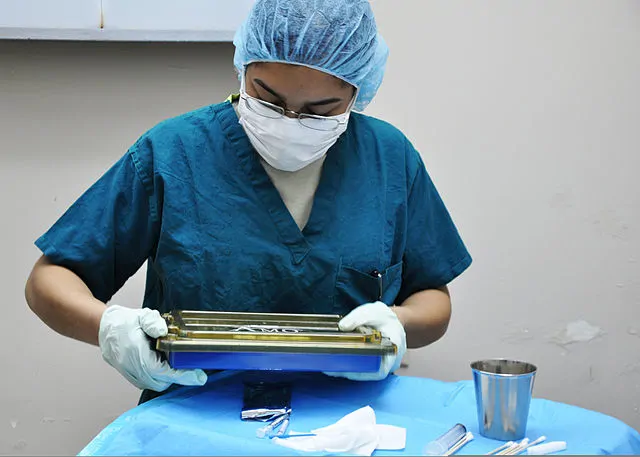 For now, the intermediate-level program does not have widespread support within the veterinary profession. The Colorado Veterinary Medical Association wants to learn more, is reserving its position, but advocates for dialogue. As for veterinary students, they are particularly concerned about the consequences for the job market. However, according to the University of Colorado, the idea is likely to gain traction quickly, given that there is a vast animal reservoir in the United States that does not receive veterinary care for a variety of reasons, and that the demand for veterinary services is expected to grow significantly in the near future. Furthermore, this option would increase the efficiency of the veterinary profession, boost its revenue, and help control rising costs for veterinary care.
In human medicine, it took the medical profession more than twenty years to adopt the role of physician assistant. And yet, according to a 1994 survey, physicians who employ an assistant report increased efficiency, expanded practice volume, and, overall, better care for their patients. While working, on average, one week less per year than their colleagues without assistants, they reported having increased both their practice’s operating hours and the amount of patient care provided, which resulted in an 18% increase in net income. The cost-benefit analysis of hiring a physician assistant shows that for every dollar generated, their employer spends 28 cents. Other positive outcomes include reduced withdrawal periods and improved patient satisfaction.
Faced with the financial crisis currently affecting veterinary medicine across the Atlantic, the field does not have twenty years to decide whether or not the veterinary professional associate is the answer to the growing demand for veterinary services, the shortage of veterinarians—particularly in the food safety sector—the skyrocketing debt of future graduates, and rapid changes in the social environment. American veterinarians cannot continue to do everything or to do it all on their own. Perhaps the VPA will be part of the solution. The University of Colorado deserves credit for having boldly launched the debate.
Source: DMV360
For now, the intermediate-level program does not have widespread support within the veterinary profession. The Colorado Veterinary Medical Association wants to learn more, is reserving its position, but advocates for dialogue. As for veterinary students, they are particularly concerned about the consequences for the job market. However, according to the University of Colorado, the idea is likely to gain traction quickly, given that there is a vast animal reservoir in the United States that does not receive veterinary care for a variety of reasons, and that the demand for veterinary services is expected to grow significantly in the near future. Furthermore, this option would increase the efficiency of the veterinary profession, boost its revenue, and help control rising costs for veterinary care.
In human medicine, it took the medical profession more than twenty years to adopt the role of physician assistant. And yet, according to a 1994 survey, physicians who employ an assistant report increased efficiency, expanded practice volume, and, overall, better care for their patients. While working, on average, one week less per year than their colleagues without assistants, they reported having increased both their practice’s operating hours and the amount of patient care provided, which resulted in an 18% increase in net income. The cost-benefit analysis of hiring a physician assistant shows that for every dollar generated, their employer spends 28 cents. Other positive outcomes include reduced withdrawal periods and improved patient satisfaction.
Faced with the financial crisis currently affecting veterinary medicine across the Atlantic, the field does not have twenty years to decide whether or not the veterinary professional associate is the answer to the growing demand for veterinary services, the shortage of veterinarians—particularly in the food safety sector—the skyrocketing debt of future graduates, and rapid changes in the social environment. American veterinarians cannot continue to do everything or to do it all on their own. Perhaps the VPA will be part of the solution. The University of Colorado deserves credit for having boldly launched the debate.
Source: DMV360
Read next
Veterinary Business
10/04/2026
Pet owners preferred ChatGPT answers to a veterinarian’s but the study did not test clinical accuracy
Veterinary Business
03/18/2025
Veterinary Education: VetAgro Sup (36th) and national veterinary school Alfort (49th) in the 2025 ranking of the world's best schools
Veterinary Business
04/11/2024
Commentaires
No comments yet.
Sign in to comment