

Back to articles
Animal Welfare
Animal Trafficking
Biodiversity
Elephant
Great Apes
Hunting Trophy
Ifaw
International Fund for Animal Welfare
Poaching
Rhinoceros
Shark
Tiger
Traffic
Turtle
Wild animals
Wild species
Wildlife
Wildlife Trafficking
Wildlife Trafficking: Brussels Launches a Future European Action Plan
V
Vetitude
11/05/2015
6 min read
0 comments
Share:
The Commission is proposing a European Action Plan to Combat Wildlife Trafficking* at the EU level. The roadmap for this project calls for concerted action against this form of organized crime to enable Europe to play a role and exert influence in the protection of endangered species worldwide. The goal is to provide the European Union with the tools and the necessary political and regulatory framework to take action. The initiative has been launched, and contributions and comments from stakeholders and citizens are welcome; the Commission will take them into account as the legislative process moves forward.
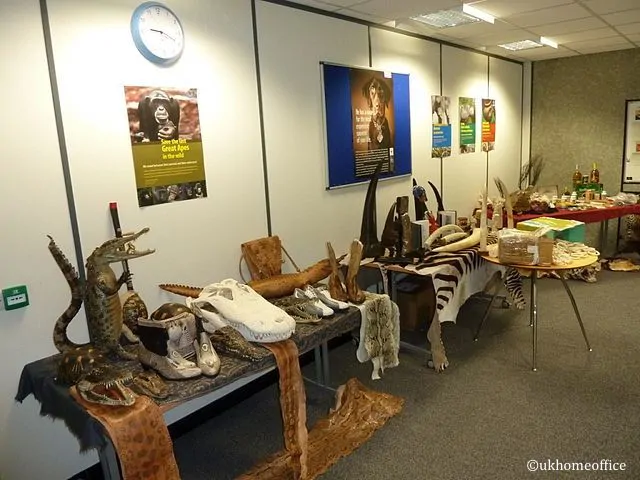 While wildlife trafficking is not a new phenomenon, the scale, nature, and impacts of this illegal trade have changed significantly in recent years. In particular, poaching has reached record levels for certain species: more than 20,000 elephants and 1,200 rhinos were killed last year, and their populations are once again in decline
. Many other species are affected, such as sharks, tigers, great apes, turtles, pangolins, corals, tropical hardwoods, and more. The trafficking of wildlife has become one of the most lucrative international criminal activities, generating between 70 and 213 billion dollars annually
, according to figures from the United Nations Environment Programme
. These substantial profits are further compounded by a low risk of detection and penalties that offer little deterrence. Moreover, the impact of this global trafficking is not limited to biodiversity. It also affects economic development and the rule of law, and even political stability in some countries.
The European Commission has drawn on numerous reports and analyses, as well as contributions from the stakeholder consultation launched in February 2014, to identify the challenges the Union will need to address urgently:
While wildlife trafficking is not a new phenomenon, the scale, nature, and impacts of this illegal trade have changed significantly in recent years. In particular, poaching has reached record levels for certain species: more than 20,000 elephants and 1,200 rhinos were killed last year, and their populations are once again in decline
. Many other species are affected, such as sharks, tigers, great apes, turtles, pangolins, corals, tropical hardwoods, and more. The trafficking of wildlife has become one of the most lucrative international criminal activities, generating between 70 and 213 billion dollars annually
, according to figures from the United Nations Environment Programme
. These substantial profits are further compounded by a low risk of detection and penalties that offer little deterrence. Moreover, the impact of this global trafficking is not limited to biodiversity. It also affects economic development and the rule of law, and even political stability in some countries.
The European Commission has drawn on numerous reports and analyses, as well as contributions from the stakeholder consultation launched in February 2014, to identify the challenges the Union will need to address urgently:
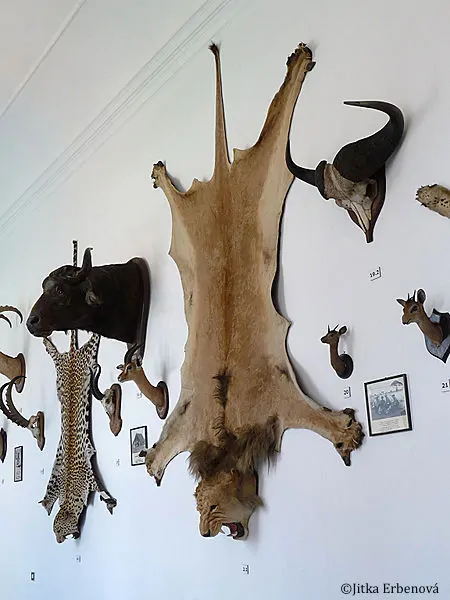 Ultimately, three strategic options are proposed in the roadmap for the Union’s future action plan.
> Option 1
This option involves strengthening the enforcement of regulations governing the trade in wild species, both within the Union and globally, in order to address the urgency of the current surge in wildlife trafficking. This could involve, in particular, revising the Commission’s 2007 recommendations (2007/425/EC) by
adding measures targeting organized crime related to wildlife trafficking within the EU and monitoring their implementation by Member States. At the global level, the revision would involve adding recommendations aimed at improving the Union’s contribution to and cooperation in international law enforcement efforts.
> Option 2
The action plan would take the form of a Commission communication addressed to the Council and the European Parliament, without the need for new legislative proposals. It would cover all aspects of wildlife trafficking, both within the EU and internationally. Unlike the previous option, this one goes beyond strengthening enforcement and also includes a set of measures designed to address this multifaceted problem by tackling its root causes. By taking the form of a communication, the goal is to secure the European Council’s endorsement of the action plan in order to ensure a strong political commitment from Member State governments in the fight against wildlife trafficking. The plan would be structured around three priorities:
Ultimately, three strategic options are proposed in the roadmap for the Union’s future action plan.
> Option 1
This option involves strengthening the enforcement of regulations governing the trade in wild species, both within the Union and globally, in order to address the urgency of the current surge in wildlife trafficking. This could involve, in particular, revising the Commission’s 2007 recommendations (2007/425/EC) by
adding measures targeting organized crime related to wildlife trafficking within the EU and monitoring their implementation by Member States. At the global level, the revision would involve adding recommendations aimed at improving the Union’s contribution to and cooperation in international law enforcement efforts.
> Option 2
The action plan would take the form of a Commission communication addressed to the Council and the European Parliament, without the need for new legislative proposals. It would cover all aspects of wildlife trafficking, both within the EU and internationally. Unlike the previous option, this one goes beyond strengthening enforcement and also includes a set of measures designed to address this multifaceted problem by tackling its root causes. By taking the form of a communication, the goal is to secure the European Council’s endorsement of the action plan in order to ensure a strong political commitment from Member State governments in the fight against wildlife trafficking. The plan would be structured around three priorities:
- The current approach thus appears too fragmented to address the multifaceted nature of wildlife trafficking, both within the EU and globally, particularly due to a lack of awareness of the severity of the problem. Support for conservation efforts in member states and the use of diplomatic tools to raise political awareness are often poorly coordinated;
- the impacts of wildlife trafficking beyond biodiversity, as well as the necessary responses to the demand for illicit products related to wild species, are insufficiently addressed at both the political and operational levels. There is a lack of long-term measures to address the root causes and enabling factors of poaching (poverty, corruption, the involvement of local communities, and the lack of alternative livelihoods);
- although EU and global regulations on wildlife trade are generally considered adequate, they are not properly enforced or complied with. The resources deployed and monitoring systems are often inadequate and ineffective, due to the low priority given to the issue in many countries, as well as a lack of technical expertise and understanding of the implications of organized crime. The lack of effective cooperation and coordination between inspection services and other enforcement authorities (police, customs, judiciary) is an additional obstacle, both within the Union and in third countries. As a result, prosecution rates for these crimes are low, and penalties are not dissuasive.
- prevention (reducing demand for illegal products, supporting wildlife management and anti-poaching efforts, raising awareness and promoting sustainable sourcing of wildlife products, and strengthening the fight against corruption);
- strengthening law enforcement and intensifying the fight against organized crime (increased international cooperation, making law enforcement a strategic priority, and harmonizing penalty levels);
- the creation of a global partnership against wildlife trafficking (strengthening and better coordinating efforts with countries of origin, transit, and destination affected by trafficking; increasing EU development aid to combat this trafficking; and adding a “security” dimension to member state assessments).
- the plan should include the development of strategies for the confiscation of live animals, and analysis of trends in illegal trade should be used to identify species likely to be intercepted. At the same time, the development of a network of reception facilities and shelters would ensure the rapid and humane placement of confiscated animals in specialized centers;
- the plan should encourage the collection of standardized data and the analysis of statistics on wildlife trafficking and crime across the European Union, similar to what already exists for other forms of organized crime (weapons, drugs, etc.).
Read next
Animal Welfare
10/06/2026
Bites haven't be an unavoidable part of veterinary work
Animal Welfare
10/05/2026
US animal welfare policy: new federal measures focus on dogs and research while farm animals remain largely outside the framework
Animal Welfare
10/08/2025
Commentaires
No comments yet.
Sign in to comment