

Back to articles
Animal Welfare
Animal Trafficking
Bear
Biodiversity
Bird of Prey
Chameleon
Elephant
Exotic Birds
Flora
Gecko
Horn
Hunting Trophy
Ifaw
Iguana
International Fund for Animal Welfare
Ivory
Pangolin
Parrot
Poaching
Reptile
Rhinoceros
Seahorse
Tiger
Turtle
Wild species
Wildlife
Wolf
Wildlife Trafficking: Brussels Adopts a Five-Year Action Plan
V
Vetitude
02/29/2016
6 min read
0 comments
Share:
On February 26 in Brussels, the European Commission presented a European action plan to combat wildlife trafficking, which also aims to strengthen the EU’s role in the fight against this illegal trade with global ramifications. Spanning five years, this declaration of war on traffickers of all kinds has been described as historic and has been praised in particular by the International Fund for Animal Welfare (IFAW). The anti-trafficking measures adopted are intended to mobilize all the resources of the 28 member states in the areas of diplomacy, trade, and development cooperation.
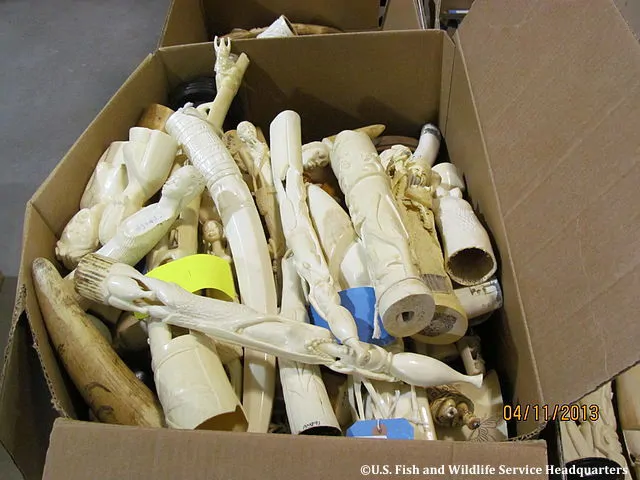 The global trafficking of wild flora and wildlife generates between 8 and 20 billion euros annually for traffickers, making it one of the world’s most lucrative criminal activities alongside drug trafficking, human trafficking, and counterfeiting. The illegal trade in species—which is decimating populations of elephants (ivory), rhinos (horns), tigers (skin, head, claws, etc.), exotic birds, and even tropical forests, appears to be the most lucrative, but many other species are affected, particularly reptiles and pangolins. This trafficking, which involves millions of animals and plants—many of which are threatened with extinction—has significant repercussions on global biodiversity, the economies and security of local communities, sustainable development and development aid, and global governance. Over the past decade, the fight against poaching has also claimed the lives of approximately 1,000 park rangers during enforcement operations conducted around the world.
Scheduled to run for five years, from 2016 to 2020, the European plan aims to put an end to wildlife trafficking by combining political will with on-the-ground actions. The Commission will thus oversee the effective implementation of some 30 measures**, each with a set deadline, which are structured around three priorities: prevention, strengthened enforcement, and global partnership.
The global trafficking of wild flora and wildlife generates between 8 and 20 billion euros annually for traffickers, making it one of the world’s most lucrative criminal activities alongside drug trafficking, human trafficking, and counterfeiting. The illegal trade in species—which is decimating populations of elephants (ivory), rhinos (horns), tigers (skin, head, claws, etc.), exotic birds, and even tropical forests, appears to be the most lucrative, but many other species are affected, particularly reptiles and pangolins. This trafficking, which involves millions of animals and plants—many of which are threatened with extinction—has significant repercussions on global biodiversity, the economies and security of local communities, sustainable development and development aid, and global governance. Over the past decade, the fight against poaching has also claimed the lives of approximately 1,000 park rangers during enforcement operations conducted around the world.
Scheduled to run for five years, from 2016 to 2020, the European plan aims to put an end to wildlife trafficking by combining political will with on-the-ground actions. The Commission will thus oversee the effective implementation of some 30 measures**, each with a set deadline, which are structured around three priorities: prevention, strengthened enforcement, and global partnership.
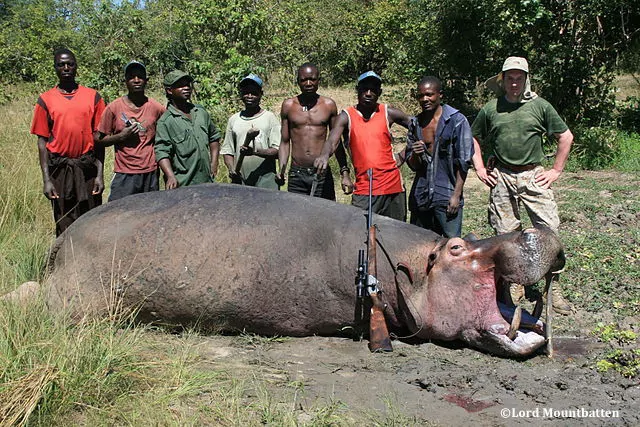 This initiative is also part of a broader framework: the European Union’s action plan to strengthen the fight against terrorist financing, presented by the Commission on February 2, 2016. It also contributes to the achievement of the 2030 Agenda, the new global framework for poverty eradication and sustainable development adopted in September 2015: Goal 15, on biodiversity, aims to “take urgent action to end poaching and wildlife trafficking in protected species of flora and fauna, and address both the demand for and supply of illicit products derived from wild species” .”
Before it can take effect, the European action plan must be approved by the environment ministers of the 28 EU member states, a process that will take several weeks. The Commission will provide the European Council and the European Parliament with a progress report on the progress made and the relevance of the objectives set in July 2018. The overall success of the action plan in combating wildlife trafficking will be assessed in 2020.
This initiative is also part of a broader framework: the European Union’s action plan to strengthen the fight against terrorist financing, presented by the Commission on February 2, 2016. It also contributes to the achievement of the 2030 Agenda, the new global framework for poverty eradication and sustainable development adopted in September 2015: Goal 15, on biodiversity, aims to “take urgent action to end poaching and wildlife trafficking in protected species of flora and fauna, and address both the demand for and supply of illicit products derived from wild species” .”
Before it can take effect, the European action plan must be approved by the environment ministers of the 28 EU member states, a process that will take several weeks. The Commission will provide the European Council and the European Parliament with a progress report on the progress made and the relevance of the objectives set in July 2018. The overall success of the action plan in combating wildlife trafficking will be assessed in 2020.
- Preventing wildlife trafficking: The measures designed to tackle the root causes of the problem aim to reduce both the demand for and the supply of illegal products derived from wild species, both within the EU and around the world. For example, by the end of the year, the Commission will develop guidelines to suspend the export of antique ivory items from the EU and will ensure that this market is subject to strict oversight by Member States. In addition, rural communities in countries of origin where wildlife trafficking occurs will be involved in conservation of wild species in a way that provides them with tangible benefits, while multilateral and bilateral measures will be taken to combat corruption.
- Strengthening enforcement: The aim of the adopted measures is to closely monitor the application of existing European regulations, for example regarding the import of hunting trophies, and to intensify the fight against organized criminal groups by strengthening collaboration among law enforcement agencies—through the support of Europol and Eurojust—as well as cross-border and international cooperation in law enforcement. This also involves raising awareness among organized crime experts about wildlife trafficking and reviewing national laws to ensure that this trade is classified as a serious offense throughout Europe, punishable by at least four years in prison. In addition, Directive 2008/99 on environmental crime will be reviewed this year, in particular to make the criminal penalties applicable within the Union for wildlife trafficking more effective.
- Strengthening global partnerships among countries of origin, destination, and transit: The measures taken include, in particular, financial support from the Union to countries of origin to help them strengthen law enforcement and provide their rural populations with long-term sources of income. Wildlife trafficking will also be included in the EU’s diplomatic action plan, and the EU will use its trade policy and resources to encourage progress at the regional and global levels.
Some 20,000 elephants and more than 1,200 rhinos were killed in 2014, according to Brussels. As the leading international donor, the European Union is supporting conservation efforts in Africa with 700 million euros for the 2014–2020 period.
Europe: A Vast Black Market for Products Related to Wild Species
The illicit products most frequently seized in the European Union—which serves as a destination, origin, and transit region—are:- live reptiles (turtles, lizards, chameleons, snakes, iguanas, geckos): more than 6,000 seized at EU borders between 2011 and 2014;
- bodies, parts, or products derived from reptiles: more than 9,600 seized between 2011 and 2014, mainly leather goods and skins of snakes, crocodiles, and lizards;
- bodies, parts, or products derived from mammals (primarily skins, tusks, and bushmeat), including elephants (one-third of global ivory seizures occur in Europe), bears, wolves, and big cats;
- live birds and eggs: more than 500 specimens seized (mainly parrots, but also birds of prey) from 2011 to 2014;
- medicinal products derived from animals (seahorses, musk deer, pangolins) and plants (costus root, American ginseng, orchids, agarwood, African plum, hoodia, and aloe);
- live plants (orchids, cacti, euphorbias, and cycads): approximately 78,000 specimens seized from 2011 to 2014;
- other products such as coral, caviar, wood products, birds, and dead invertebrates.
Read next
Animal Welfare
10/06/2026
Bites haven't be an unavoidable part of veterinary work
Animal Welfare
10/05/2026
US animal welfare policy: new federal measures focus on dogs and research while farm animals remain largely outside the framework
Animal Welfare
10/08/2025
Commentaires
No comments yet.
Sign in to comment