

Back to articles
Animal Welfare
French League for the Protection of Horses
Horse Protection
Horse welfare
LFPC
WHW
Workhorse
World Horse Welfare
The plight of the workhorse calls for increased international aid
B
bertrand-neveux
03/06/2015
2 min read
0 comments
Share:
The British organization World Horse Welfare (WHW) has committed to doubling the number of horses it helps worldwide by the end of 2017. To meet this challenge, it is launching a fundraising appeal and publishing its 2014 report on its work, featuring Blanca*, a working horse surviving in Honduras.
WHW spends one million pounds (1.3 million euros) to help working horses, as well as donkeys and mules, in ten countries across Africa, Latin America, and Asia. Its current goal is to expand the scope of its international mission to better address the urgent situation facing working equines.
E
The challenge is significant and requires seeking partnerships with other animal welfare organizations and humanitarian groups, as well as relying on local structures. In the countries where they operate, the association’s teams establish sustainable infrastructure and help both the equines and their owners by enabling them to acquire the skills and knowledge needed to improve the well-being of their most valuable asset: their working horse.
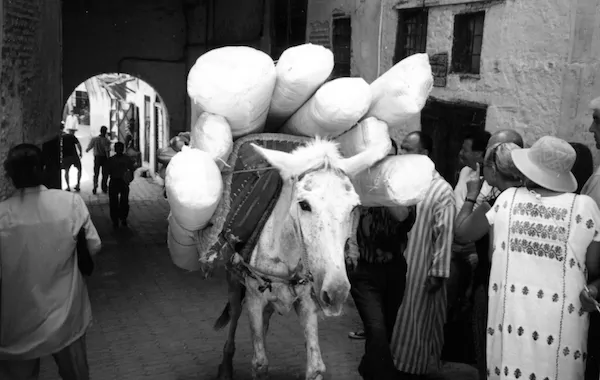 Thus, WHW’s field missions make it possible to organize workshops where equine owners come to learn more about their animals’ welfare, where they are taught how to recognize signs of illness or injury and how to provide care in such cases. They will then, in turn, help train the local population to make better-fitting horseshoes, saddles, and harnesses, thereby offering a better future for working horses.
* http://www.worldhorsewelfare.org/Appeal/Blancas-Story
Thus, WHW’s field missions make it possible to organize workshops where equine owners come to learn more about their animals’ welfare, where they are taught how to recognize signs of illness or injury and how to provide care in such cases. They will then, in turn, help train the local population to make better-fitting horseshoes, saddles, and harnesses, thereby offering a better future for working horses.
* http://www.worldhorsewelfare.org/Appeal/Blancas-Story
E quipping communities
The challenge is significant and requires seeking partnerships with other animal welfare organizations and humanitarian groups, as well as relying on local structures. In the countries where they operate, the association’s teams establish sustainable infrastructure and help both the equines and their owners by enabling them to acquire the skills and knowledge needed to improve the well-being of their most valuable asset: their working horse.
The Story of Blanca
Blanca is one of the millions of horses working around the world who play a vital role in their communities. This eight-year-old mare lives in Choluteca, Honduras. She pulls a heavy cart six hours a day, loaded with firewood and construction materials. She is also her owner’s primary mode of transportation. However, her owner is unable to provide her with the food she needs to endure this grueling work. Furthermore, her hooves are in very poor condition, and the straps of her ill-fitting harness cut into her skin a little more each time she pulls her load forward.Toward a Better Future
Like Blanca’s, many equine owners, who lack everything for themselves, have little or no access to a trained farrier, need advice on equine nutrition, and require expertise to help them make harnesses that do not cause pain or injury.Read next
Animal Welfare
10/06/2026
Bites haven't be an unavoidable part of veterinary work
Animal Welfare
10/05/2026
US animal welfare policy: new federal measures focus on dogs and research while farm animals remain largely outside the framework
Animal Welfare
10/08/2025
Commentaires
No comments yet.
Sign in to comment