

Back to articles
Animal Welfare
ATM-ANGEE
AVEF
CGAAER
End of Life Care for Horses
Equine
Equine Identification
FFE
FNC
France Galop
French horse
Horse End-of-Life Insurance
IFPC
Maximum residue limit
Meat Processing Program
Medication Record Book
Rendering
SIRE
Slaughter
Slaughterhouse
Veterinarian
The future of the horse lies in the slaughterhouse!
B
bertrand-neveux
01/26/2015
4 min read
0 comments
Share:
The CGAAER advocates for measures to encourage equid keepers to have their animals euthanized rather than resort to any other solution at the end of their working lives. The arguments, coming from a single lobbying group, are particularly biased.
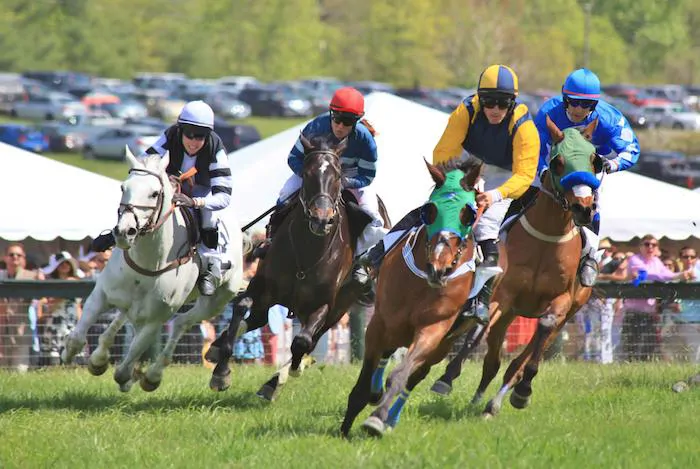 Remember this past summer, when the president of the French Equine Veterinary Association (AVEF) was making a big fuss to publicize his opinion—which he claimed represented that of the veterinary profession—in favor of slaughtering horses rather than considering an alternative solution. Ideologically, he considers the horse to be a meat animal and believes it should under no circumstances become a recreational animal.
His media outburst is now understandable: at the same time, the General Council for Food, Agriculture, and Rural Areas (CGAAER) was drafting a report along these lines, after consulting with key stakeholders closely tied to or dependent on the meat industry.
Remember this past summer, when the president of the French Equine Veterinary Association (AVEF) was making a big fuss to publicize his opinion—which he claimed represented that of the veterinary profession—in favor of slaughtering horses rather than considering an alternative solution. Ideologically, he considers the horse to be a meat animal and believes it should under no circumstances become a recreational animal.
His media outburst is now understandable: at the same time, the General Council for Food, Agriculture, and Rural Areas (CGAAER) was drafting a report along these lines, after consulting with key stakeholders closely tied to or dependent on the meat industry.
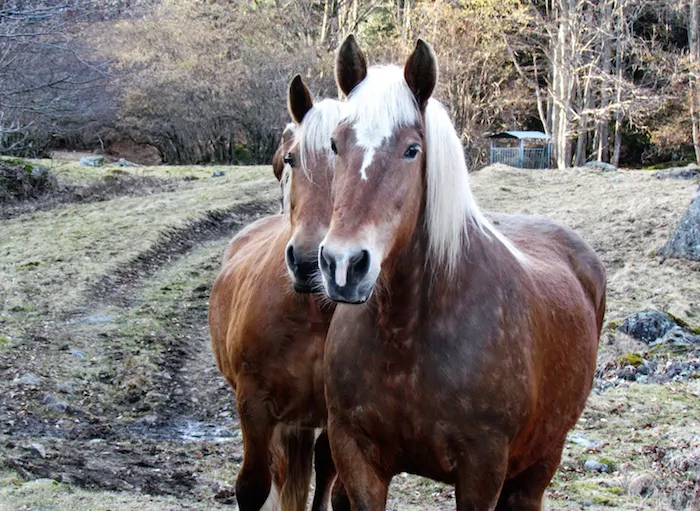 In short, this report reads more like a list of grievances from various stakeholders in the equine industry, for whom the issue of managing the end of a horse’s athletic or recreational career can only be resolved by eliminating the problem: the horse or pony. While reading the report, it is not difficult to recognize the “hand” of the various professional organizations surveyed, whose positions have been known for years and are increasingly out of step with societal expectations. For the underlying problem is, in fact, the integration of the equine’s second career into the sector’s economic equation.
Worse still, proposing to make “end of life” insurance mandatory for equines destined for rendering—based on an ideological choice—amounts to penalizing the majority of equid keepers in France. It also amounts to financially strangling these owners, who are generally private individuals already facing exorbitant rendering costs.
All these measures are therefore intended to force the vast majority of equine enthusiasts to contribute to reviving the equine industry. This is also akin to sawing off the branch on which professionals are sitting.
In short, this report reads more like a list of grievances from various stakeholders in the equine industry, for whom the issue of managing the end of a horse’s athletic or recreational career can only be resolved by eliminating the problem: the horse or pony. While reading the report, it is not difficult to recognize the “hand” of the various professional organizations surveyed, whose positions have been known for years and are increasingly out of step with societal expectations. For the underlying problem is, in fact, the integration of the equine’s second career into the sector’s economic equation.
Worse still, proposing to make “end of life” insurance mandatory for equines destined for rendering—based on an ideological choice—amounts to penalizing the majority of equid keepers in France. It also amounts to financially strangling these owners, who are generally private individuals already facing exorbitant rendering costs.
All these measures are therefore intended to force the vast majority of equine enthusiasts to contribute to reviving the equine industry. This is also akin to sawing off the branch on which professionals are sitting.
The CGAAER’s Four Proposals
- Amendment of Directive No. 2001/82/EC on drug residues to establish a six-month biosecurity entry area for monitoring animals that have received certain veterinary treatments.
- A public awareness campaign to promote ATM-ANGEE (National Association for the Management of Equine Rendering), which was formed in response to the government’s failure to ensure health security and equine rendering (even though the system remains in place for other Livestock).
- A legislative requirement for “end of life” insurance for horses destined for rendering due to ideological reasons.
- Improving the rate at which rendering facilities collect health records and promoting electronic data exchange.
- by amending the regulations regarding maximum residue limits (MRLs). To do this, any equine that has not received medical treatment for more than six months should simply be considered healthy. The medication record in the animal’s health record appears to be a barrier to encouraging the consumption of horse meat;
- by asking veterinarians to use drugs without maximum residue limits (MRLs), while acknowledging the increased potential for fraud (using a drug with an MRL but recording a different product in the health record). Such suspicion is all the more understandable given that the lack of transparency in the drafting of medication records shows that the equine veterinary profession is severely failing in its role as an impartial health authority and has never succeeded in enforcing legal requirements among its clients, whereas there are no issues with enforcing these laws in other sectors;
- by preventing an equine owner from permanently removing their companion from the slaughterhouse!
Read the report here: HERE
Read next
Animal Welfare
10/06/2026
Bites haven't be an unavoidable part of veterinary work
Animal Welfare
10/05/2026
US animal welfare policy: new federal measures focus on dogs and research while farm animals remain largely outside the framework
Animal Welfare
10/08/2025
Commentaires
No comments yet.
Sign in to comment