

Back to articles
Animal Welfare
Donkey
End of life
Equestrian sports
Equine
Euthanasia
Horse
Pony
Rendering
Retirement
Retirement and End of Life Care for Equines: How Can We Meet Future Needs?
MR
Mia Rozenbaum
11/26/2020
9 min read
0 comments
Share:
Despite a current trend toward a declining horse population, the growing popularity of horse riding in the 1990s and 2000s led to an increase in France’s equine population. Now aging, most of these horses are retired and living with their owners. It is important to inform both current and future stakeholders about the procedures for managing horses’ retirement, as well as the associated costs, to avoid situations where animal welfare is compromised. Discussions have begun on improving end-of-life conditions for equines.
Today, France has 1.05 million equines on its territory (66% riding horses and ponies, 15% racehorses, 10% donkeys, and 7% draft horses). This is 10% fewer than in 2008. However, the equine population has not always been in decline. The 1990s and 2000s saw a significant increase in births, due to the growing popularity of equestrian sports.
These horses, now aging, are retiring in large numbers. As a result, the number of retired horses has risen sharply, from about 130,000 in 2008 to nearly 160,000 in 2019. This trend is expected to continue through 2023, after which the overall decline in the horse population is likely to be reflected in the number of horses being retired.
What Does Retirement Look Like for Horses?
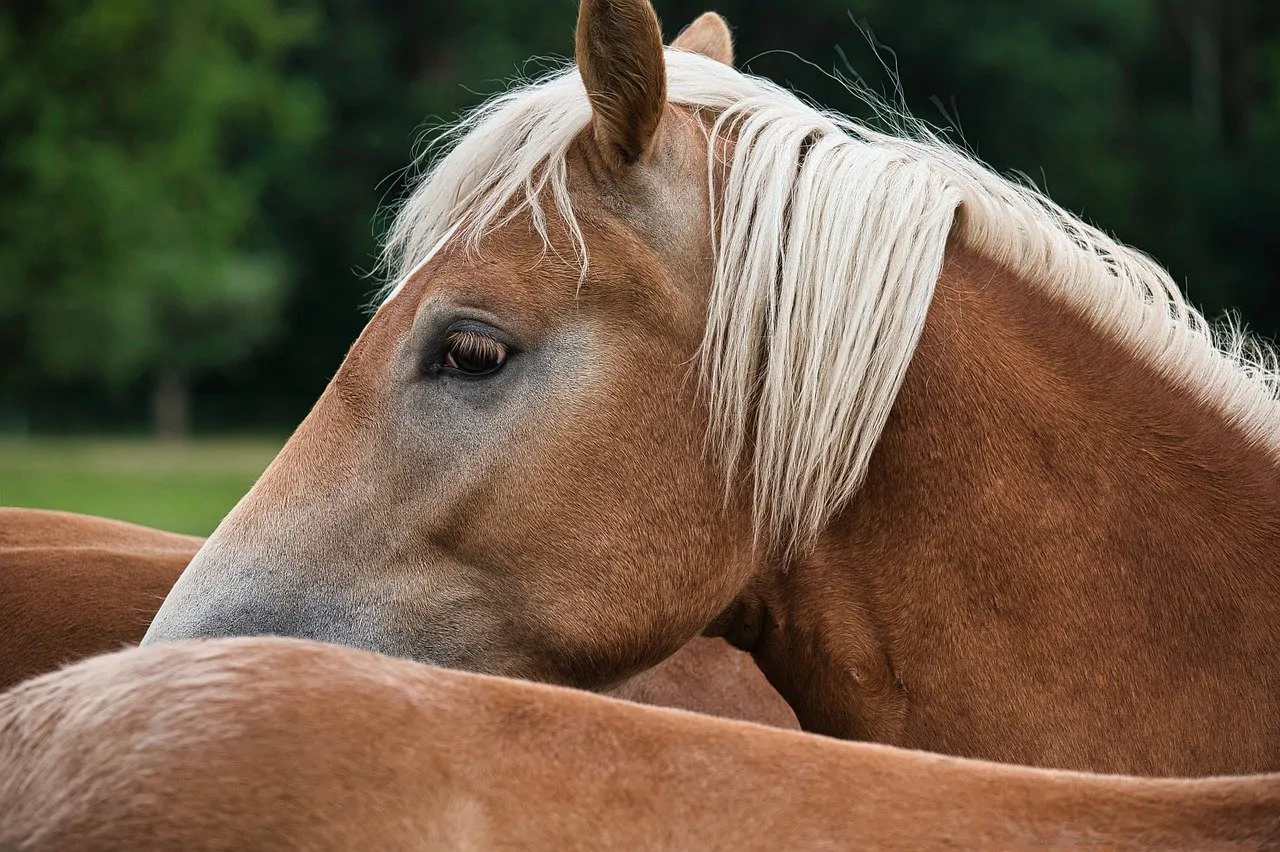
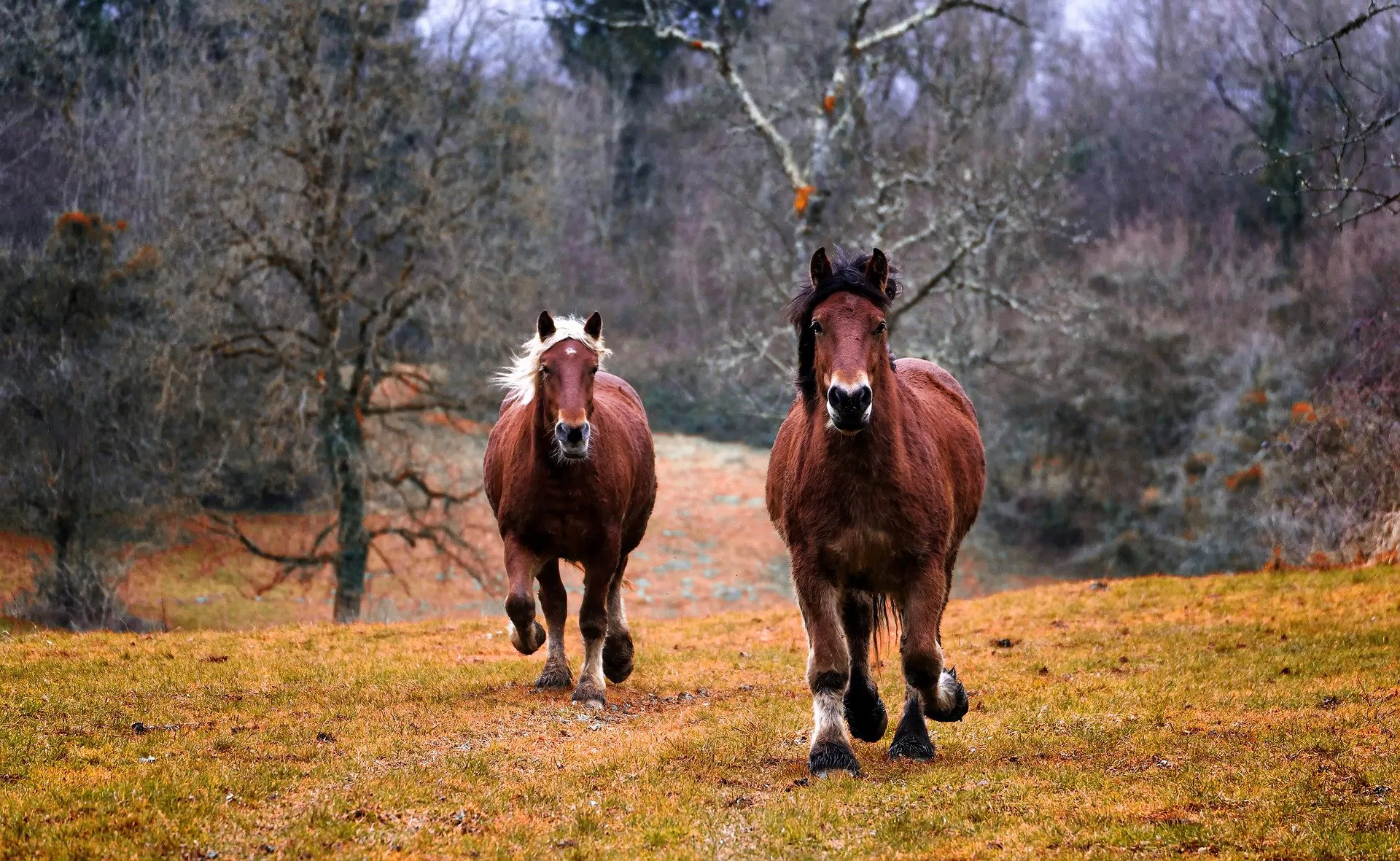
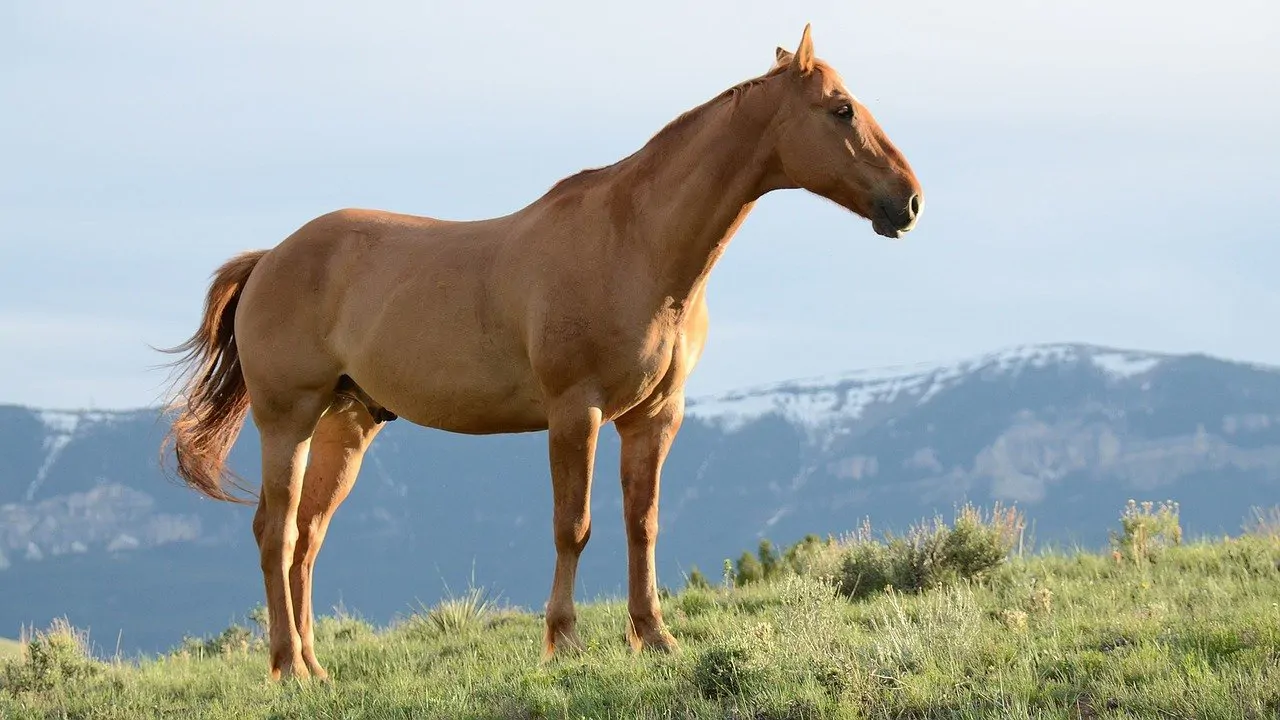
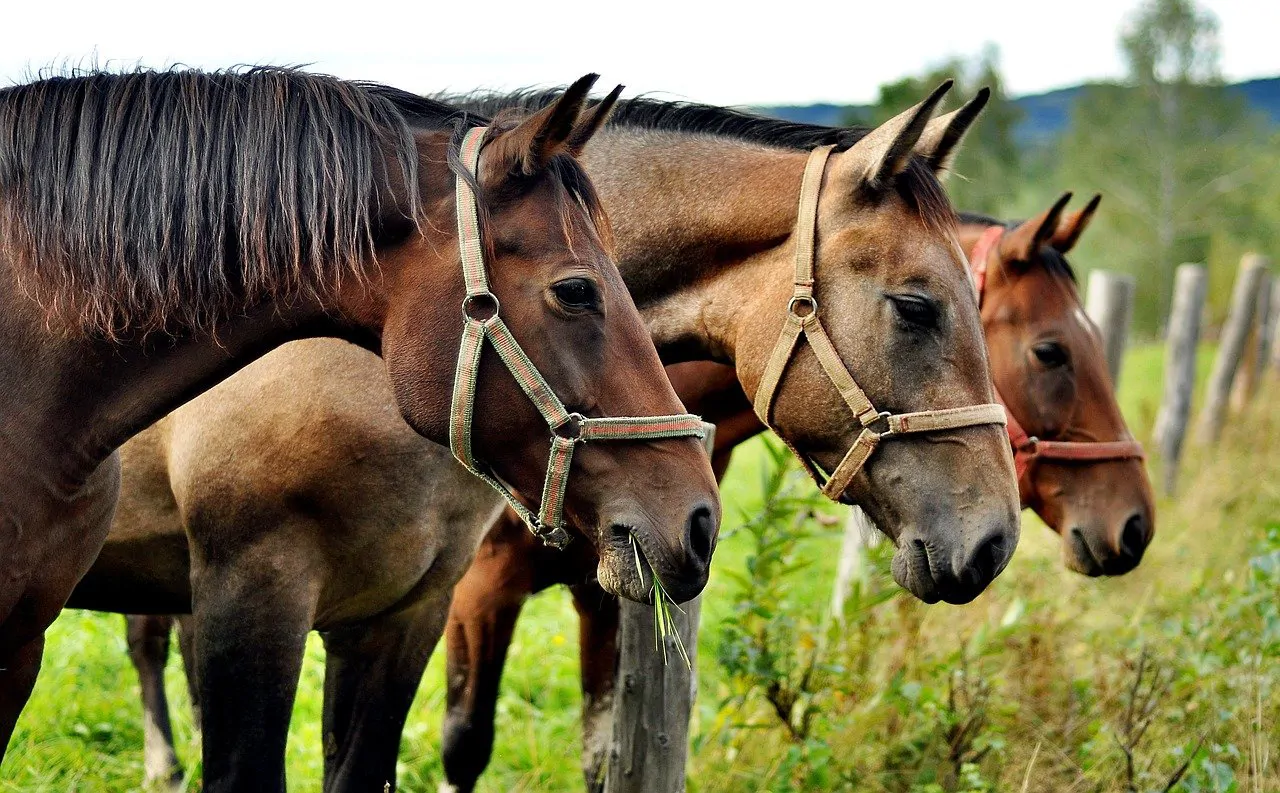
More than half of retired equines are 20 years old or older. However, it is not uncommon to see younger horses that are only partially active, or, conversely, older horses that are kept in active service. Most of these aging horses are housed by their owners (eight out of ten). However, these owners are rarely professionals in the industry and often rely on trial-and-error methods to manage their animals’ retirement, which can have a negative impact on their well-being. Although this is the least expensive option (costing about €100 per month), owners do not always have the necessary space, facilities, or knowledge to care for one or more equines. The other option—boarding with a professional—applies to slightly more than one in ten horses. Although more expensive (between €200 and €400 per month), this solution allows care to be tailored to each animal and ensures its well-being. Of the 10,000 equestrian facilities in France, approximately 4,500 offer retirement boarding. However, about 22,000 spots in these facilities remain unoccupied because owners are reluctant to send their horses away. As a result, 90% of them are housed within an hour’s drive of their owners’ homes. However, boarding facilities specializing in retirement care are still few in number. Barely fifty such facilities have been identified. They offer specific services, such as supplemental feeding—tailored to individual needs if necessary—even for pasture boarding. The managers’ responsibility is also greater, as the owners—who are rarely present—entrust them entirely with supervision and care. These centers have an average of thirty to thirty-five spots, five of which remain vacant.The Economic Impact of Retired Horses
What these figures reveal is that a retired equine animal represents a significant cost for its owner. Overall, according to estimates, the cost of care at the end of life for equines amounts to nearly half a billion euros each year. The annual revenue generated by retired horses is estimated at approximately 200 million euros, of which nearly 50 million comes from boarding fees. And that’s not even counting the real estate and land assets required to house these equines. In fact, 60% of retired equines are kept in pastures year-round, and 35% are housed in a mixed arrangement, alternating between pasture and a stall or barn. Retirement thus requires permanent pastureland, at a rate of one hectare per horse. The increase in the number of retired horses over the next ten years is expected to double total annual revenue and also create additional jobs. Based on 4.8 hours per month required per retired equine animal, 20,000 additional equines in retirement care could create a need for approximately 700 jobs. Subsequently, even though the population of retired equines will inevitably decline, this decline will not affect the various types of housing in the same way. While the number of retired equines housed at home is expected to decline sharply, the number of retired equines in boarding facilities is projected to increase by 15,000 to 20,000 by 2030. Given the available capacity, this influx should not pose any accommodation problems for professional facilities, provided their number remains constant.End of Life Decisions When Retirement Is Not an Option
Not all animal owners choose to retire their companion animals. For a long time, one of the options available was the slaughter of animals for human consumption. But this practice is set to gradually disappear in France. Despite an increase between 2009 and 2013, the number of horses slaughtered was cut in half between 2008 and 2019, falling from just over 16,000 to nearly 8,000 animals. This trend is set to continue. Based on an estimated 12% annual decline in consumption and an approximately 9% annual decrease in the number of horses slaughtered, the number of equines slaughtered in 2030 is estimated to be between 2,000 and 4,000. This downward trend suggests that, in a few years, horse meat consumption will be negligible in France. While a meat industry for large horses will remain to serve export markets, equine slaughter will no longer be an option at the end of life for equines in France in about ten years. It is likely that horses not sent to the slaughterhouse will either be euthanized or retired. A decline to 2,000 slaughterings per year would result in an increase in the equine population of 9,500 by 2030. Even if some of these additional equines will be voluntarily cared for by their owners, others will be deemed “undesirable” from the outset and will remain the responsibility of an owner who does not wish to care for them—and for whom the financial impact could be significant. This situation does not bode well for the animal. As an alternative to the food chain and the costly upkeep of an inactive horse, the issue of euthanasia for convenience is already regularly raised. It is currently difficult to establish legal rules to clarify the extent to which this practice is legal. However, Article R.242-48 of the Rural Code specifies that a veterinarian “may refuse to provide care for any legitimate reason.” Such requests are likely to increase in the future, and the pressure on veterinarians will then be even greater. It would be helpful for the equine veterinary profession to take up this issue and engage in collective reflection so as not to leave veterinary practitioners alone when faced with requests of this kind, which may conflict with their professional ethics. Such reflection is already underway for pets.The Difficult Management of End-of-Life Care for Equines
These are not the only challenges the industry will face when it comes to managing the end of life for equines. Even knowledgeable owners are sometimes surprised by the costs or the complexity of the procedures. This is the case with rendering, with 20% of owners wanting to see changes to this end-of-life procedure. One-third of them complain that the wait for carcass removal is too long, and 20% find the administrative paperwork too complex. The cost is sometimes criticized, particularly by owners who prefer cremation. On a more anecdotal note, a few would like access to alternative methods of euthanasia, as is the case in some English-speaking countries. Some of these challenges lead to end-of-life conditions that jeopardize animal welfare. Indeed, most retired horses are not cared for by professionals. Horses are sometimes housed in conditions that are not optimal for their horse welfare, or even suffer from a severe lack of care. These situations will become increasingly common as horse slaughter declines in France, following the example of what has happened in other countries. These conditions are worsening with the rise in equine donations recorded by the Economic and Social Observatory for Horses. In 2017, these donations accounted for more than 6% of equine transactions. While well-intentioned, donations make it easier for people who lack the necessary knowledge or sufficient financial means to properly care for such an animal to become equine owners. Inevitably, this leads to an increase in cases of neglect or abandonment down the line. Animal protection associations have already noted an increase in the number of animals in their care in recent years.How can we improve end-of-life conditions in the equine industry?
Promoting accountability and providing guidance on animal care are usually effective ways to address these shortcomings. One avenue for the entire industry to explore would be to emphasize technical training for owners, particularly through the implementation of an Animal ownership license. The goal is to limit cases of neglect by highlighting the costs of maintaining and caring for an older horse. Owners need to have a clear understanding of the costs involved in caring for a retired equine animal. It is also necessary to create a shelter system for horses that no longer have an owner or that have been seized from their owners by court order, but also for those whose owners struggle to pay boarding fees exceeding 2,000 € per year, and who might therefore be liable for neglect. The authorities also support the creation of these “sanctuaries” to take in animals that have been abandoned, subjected to animal abuse, or seized by the courts, in conjunction with the establishment of a foundation recognized as a public benefit organization for the protection of equines, to support the associations already working in the field. MP Loïc Dombreval has already identified several potential approaches on this issue. In addition, the authorities are also proposing to strengthen equine identification to better track the animals, while consolidating and expanding the enforcement powers of officials. While identification is already mandatory, as is the requirement to register equines, the system is not yet optimal. By informing current and future owners about the actual cost of caring for older horses and the available care options, strengthening identification and inspections, and establishing a foundation for equine welfare would help prevent cases of neglect and ensure that horses at the end of their lives are kept in conditions consistent with animal welfare.Read next
Animal Welfare
10/06/2026
Bites haven't be an unavoidable part of veterinary work
Animal Welfare
10/05/2026
US animal welfare policy: new federal measures focus on dogs and research while farm animals remain largely outside the framework
Animal Welfare
10/08/2025
Commentaires
No comments yet.
Sign in to comment