

Back to articles
Animal Welfare
Animal health
Animal welfare
Butcher Shop
Cattle
Dairy cows
EFSA
Goat
Horse
Pork
Pregnancy
Pregnant animals
Sheep
Slaughter
Slaughterhouse
Pregnancy and Slaughterhouses: EFSA Weighs In on the Issue of Slaughtering Pregnant Animals in Europe
V
Vetitude
05/30/2017
3 min read
0 comments
Share:
In the European Union, according to experts at the European Food Safety Authority (EFSA), on average 3% of dairy cows, 1.5% of beef cattle, 0.5% of pigs, 0.8% of sheep, and 0.2% of goats intended for slaughter are in the final third of gestation. For horses, no estimate could be made due to a lack of available information. In practice, there are many reasons given for sending pregnant animals to the slaughterhouse. These range from farmers who are unaware that certain females are pregnant to those who decide to proceed regardless for reasons related to animal health (potentially contagious sick animals) or out of financial necessity.
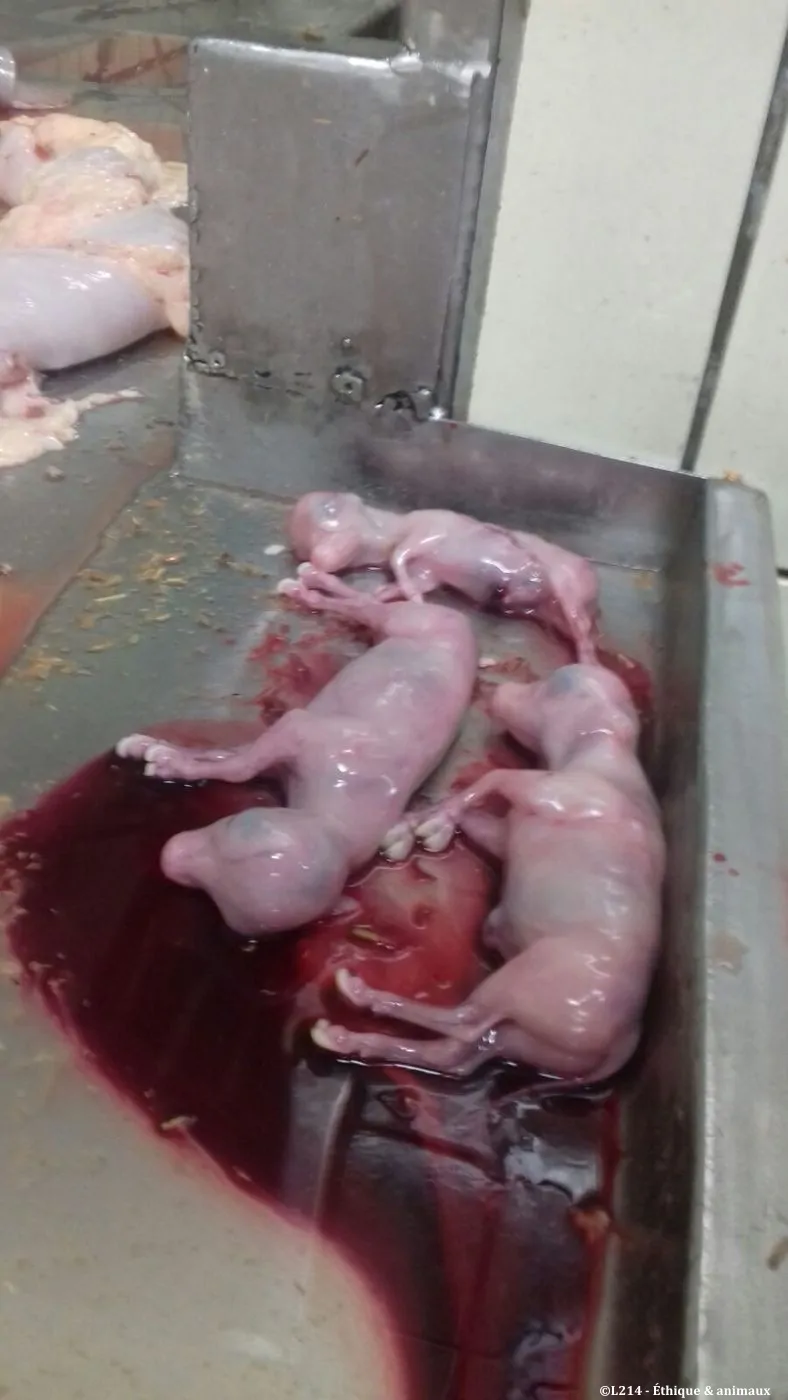 The scientific opinion issued by the European Food Safety Authority (EFSA) follows a request from Germany, Denmark, the Netherlands, and Sweden—four Member States seeking to learn more in order to ultimately improve animal welfare in Europe.
Initially, EFSA’s “Animal Health and Welfare” panel sought to determine whether fetuses of various animal species (dairy cows, beef cattle, pigs, horses, sheep, and goats) at various stages of their development. The scientists concluded that animal fetuses do not experience pain during the first two-thirds of intrauterine life, as the relevant physical and neurological structures do not develop until the final third.
In that case, are fetuses capable of experiencing pain, suffering, or distress during the final stage of gestation? According to experts’ estimates, the most likely scenario (66–99% probability) is that they do not experience any of these due to the presence of a series of inhibitory mechanisms in the brain, low levels of oxygen in the fetal body, and the sleep phase in which they are immersed for most of gestation. According to the least likely scenario (probability of 1 to 33%), animal fetuses do experience pain, if the electrical activity detected in their brains and their ability to respond to external stimuli are interpreted in this way.
The opinion also proposes practical measures to reduce the number of animals slaughtered during gestation. To this end, it advocates improving animal health to reduce slaughter due to disease, grouping animals by sex, increasing oversight of farms—particularly free-range operations—conducting systematic pregnancy testing before animals are sent to the slaughterhouse, to include this diagnosis in the documentation provided when animals are sold between farmers, to train and inform farmers about preventive measures, and to improve the accuracy of rapid pregnancy tests (particularly for diagnosing advanced stages of pregnancy in small ruminants and pigs).
The information provided by EFSA experts is intended for use by risk managers throughout the European Union.
* https://www.efsa.europa.eu/sites/default/files/corporate_publications/files/animal-welfare-slaughter-170530-fr.pdf
The scientific opinion issued by the European Food Safety Authority (EFSA) follows a request from Germany, Denmark, the Netherlands, and Sweden—four Member States seeking to learn more in order to ultimately improve animal welfare in Europe.
Initially, EFSA’s “Animal Health and Welfare” panel sought to determine whether fetuses of various animal species (dairy cows, beef cattle, pigs, horses, sheep, and goats) at various stages of their development. The scientists concluded that animal fetuses do not experience pain during the first two-thirds of intrauterine life, as the relevant physical and neurological structures do not develop until the final third.
In that case, are fetuses capable of experiencing pain, suffering, or distress during the final stage of gestation? According to experts’ estimates, the most likely scenario (66–99% probability) is that they do not experience any of these due to the presence of a series of inhibitory mechanisms in the brain, low levels of oxygen in the fetal body, and the sleep phase in which they are immersed for most of gestation. According to the least likely scenario (probability of 1 to 33%), animal fetuses do experience pain, if the electrical activity detected in their brains and their ability to respond to external stimuli are interpreted in this way.
The opinion also proposes practical measures to reduce the number of animals slaughtered during gestation. To this end, it advocates improving animal health to reduce slaughter due to disease, grouping animals by sex, increasing oversight of farms—particularly free-range operations—conducting systematic pregnancy testing before animals are sent to the slaughterhouse, to include this diagnosis in the documentation provided when animals are sold between farmers, to train and inform farmers about preventive measures, and to improve the accuracy of rapid pregnancy tests (particularly for diagnosing advanced stages of pregnancy in small ruminants and pigs).
The information provided by EFSA experts is intended for use by risk managers throughout the European Union.
* https://www.efsa.europa.eu/sites/default/files/corporate_publications/files/animal-welfare-slaughter-170530-fr.pdf

Read next
Animal Welfare
10/06/2026
Bites haven't be an unavoidable part of veterinary work
Animal Welfare
10/05/2026
US animal welfare policy: new federal measures focus on dogs and research while farm animals remain largely outside the framework
Animal Welfare
10/08/2025
Commentaires
No comments yet.
Sign in to comment