

Back to articles
Animal Welfare
AAFP
AAHA
Analgesic
Human-Animal Relationships
NSAIDs
Pain Management
Pets
Preventive analgesia
Senior Cat
Senior Dog
Senior pet
Veterinarian
Veterinary assistant
Veterinary medicine
Pain management is central to canine veterinary practice
B
bertrand-neveux
04/02/2015
3 min read
0 comments
Share:
Advances in pain management for pets have led the American Animal Hospital Association (AAHA) and the American Association of Feline Practitioners (AAFP) to update their guidelines*, which were last revised in 2007. These recommendations are based on evidence-based data or, where evidence is lacking, on expert consensus.
Relieving pain is not only a matter of professional ethics; it is also an essential component of companion animal medicine. Addressing pain reduces morbidity, facilitates recovery, improves quality of life, and strengthens the relationship between the veterinarian, the client, and the animal.
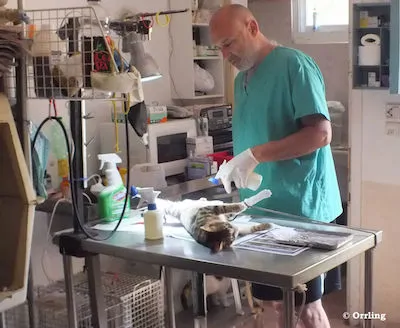 The update to these guidelines reflects rapid clinical advances, particularly over the past three years. Compared to the 2007 version
, the 2015 edition emphasizes the importance of an integrated approach to pain management that does not rely solely on the use of analgesics.
And because pain assessment in dogs and cats is now scientifically grounded, various clinically validated tools for scoring pain are presented. In addition, a section dedicated to degenerative joint disease in cats has been added, due to its increased prevalence in older cats.
Behavioral changes in animals are currently the primary indicator of pain, its remission, or its progression, based on recently validated scores. By reducing observer subjectivity and bias, these scales lead to more effective pain management. Whether acute or chronic, pain is not an isolated event, and managing it requires a continuous cycle of care that includes an individualized treatment plan, preventive or early analgesia, followed by appropriate treatment and an assessment of its appropriateness and effectiveness, based on periodic reevaluation of the animal’s response
.
The update to these guidelines reflects rapid clinical advances, particularly over the past three years. Compared to the 2007 version
, the 2015 edition emphasizes the importance of an integrated approach to pain management that does not rely solely on the use of analgesics.
And because pain assessment in dogs and cats is now scientifically grounded, various clinically validated tools for scoring pain are presented. In addition, a section dedicated to degenerative joint disease in cats has been added, due to its increased prevalence in older cats.
Behavioral changes in animals are currently the primary indicator of pain, its remission, or its progression, based on recently validated scores. By reducing observer subjectivity and bias, these scales lead to more effective pain management. Whether acute or chronic, pain is not an isolated event, and managing it requires a continuous cycle of care that includes an individualized treatment plan, preventive or early analgesia, followed by appropriate treatment and an assessment of its appropriateness and effectiveness, based on periodic reevaluation of the animal’s response
.
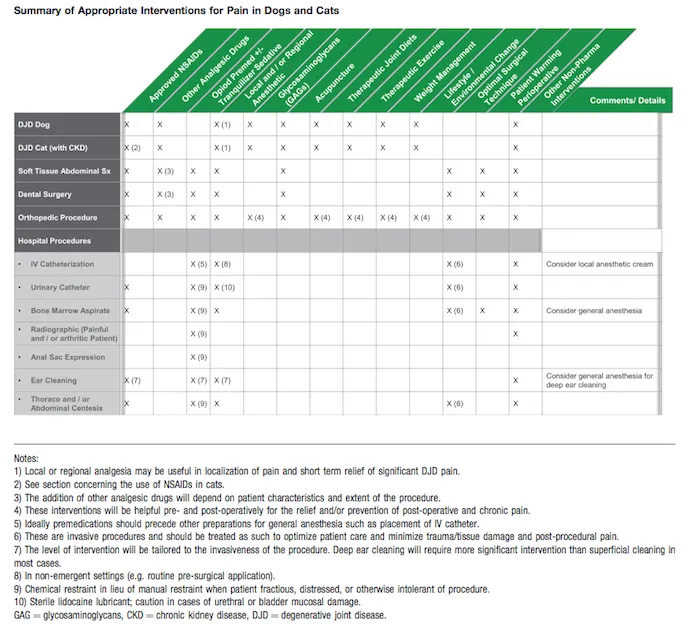
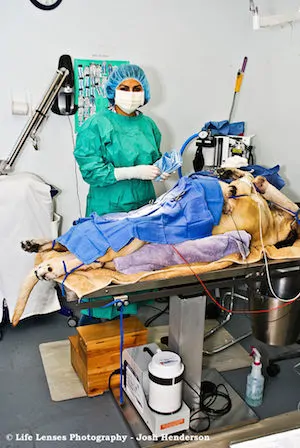 A multimodal strategy, using several classes of analgesic medications, avoids reliance on a single drug and reduces doses, thereby minimizing potential adverse effects.
The choice of medication is based on the pain score and the individual needs of each animal. Preemptive analgesia, which is administered before pain sets in, is more effective than analgesics administered after pain has already occurred.
Increasingly, nonpharmacological approaches are playing an important role, such as cryotherapy, weight loss for chronic pain, and therapeutic exercise for post-surgical recovery or musculoskeletal injuries.
Other options include acupuncture, physical rehabilitation, neuro-myofascial therapy or shockwave therapy, laser or ultrasound therapy, etc.
In addition, non-pharmacological adjunctive treatment includes nursing care and gentle handling, the involvement of veterinary technicians, a stress-free environment, and palliative care when appropriate. These methods have the advantage of increasing interaction between the veterinary assistant and the veterinarian and strengthening the human-animal bond. This shared responsibility promotes a team-based approach to pain management—one that also involves the owner—thereby optimizing the recognition, prevention, and treatment of pain.
* https://www.aaha.org/public_documents/professional/guidelines/2015_aaha_aafp_pain_management_guidelines_for_dogs_and_cats.pdf
A multimodal strategy, using several classes of analgesic medications, avoids reliance on a single drug and reduces doses, thereby minimizing potential adverse effects.
The choice of medication is based on the pain score and the individual needs of each animal. Preemptive analgesia, which is administered before pain sets in, is more effective than analgesics administered after pain has already occurred.
Increasingly, nonpharmacological approaches are playing an important role, such as cryotherapy, weight loss for chronic pain, and therapeutic exercise for post-surgical recovery or musculoskeletal injuries.
Other options include acupuncture, physical rehabilitation, neuro-myofascial therapy or shockwave therapy, laser or ultrasound therapy, etc.
In addition, non-pharmacological adjunctive treatment includes nursing care and gentle handling, the involvement of veterinary technicians, a stress-free environment, and palliative care when appropriate. These methods have the advantage of increasing interaction between the veterinary assistant and the veterinarian and strengthening the human-animal bond. This shared responsibility promotes a team-based approach to pain management—one that also involves the owner—thereby optimizing the recognition, prevention, and treatment of pain.
* https://www.aaha.org/public_documents/professional/guidelines/2015_aaha_aafp_pain_management_guidelines_for_dogs_and_cats.pdf
Read next
Animal Welfare
10/06/2026
Bites haven't be an unavoidable part of veterinary work
Animal Welfare
10/05/2026
US animal welfare policy: new federal measures focus on dogs and research while farm animals remain largely outside the framework
Animal Welfare
10/08/2025
Commentaires
No comments yet.
Sign in to comment