

Back to articles
Animal Welfare
Animal
Animal disease
Animal health
Animal Health Act
Animal Protection Associations
Animal welfare
Antibiotics
Antimicrobial resistance
Bee
Chat
Communicable animal disease
Dog
Dog breeder
Emerging Diseases
Epizootic
European Animal Health Law
Françoise Grossetête
Jasenko Selimovic
Livestock
Livestock Farming
Marketing authorisation
One Health
Pets
Pharmacovigilance
Preventive Use of Antibiotics
SIMV
Stray Animals
Therapeutic arsenal
Trade Association of the Veterinary Medicinal Product and Reagent Industry
Veterinarian
Veterinary Drugs and Reagents Industry Association
Veterinary medicinal product
Veterinary Medicinal Products Industry
Veterinary practitioner
Veterinary Use of Critically Important Antibiotics
One Health: A First European Law Links Animal Welfare, Animal Health, and Public Health
V
Vetitude
03/15/2016
5 min read
0 comments
Share:
With some 1,000 amendments and nearly 150 articles, the European Animal Health Law is the result of a colossal and long-term effort. This comprehensive legislative overhaul aims to replace more than 50 years of European legislation—divided into 39 different laws—with a clearer framework featuring updated principles and objectives. It demonstrates that it is possible to streamline animal health controls within the European Union. The challenge is threefold and aims to balance the protection of animal health—and thus human health—with the fight against antimicrobial resistance and the competitiveness of livestock farms and the veterinary medicinal product industry.
In addition to controlling transmissible animal diseases, the legislative proposal addresses the spread of antibiotic-resistant bacteria and, more generally, focuses on the authorization and monitoring of veterinary drugs. Overall, it provides better tools for managing epizootics in the future and emphasizes the prevention and control of antimicrobial resistance. According to rapporteur Jasenko Selimovic (ALDE), it also establishes a link between animal health and animal welfare and connects them to human health
. This direct link and the emphasis on the responsible use of antibiotics should help combat growing antimicrobial resistance. Finally, the new legislation consolidates some 40 legislative acts into a single piece of legislation.
Thus, during the vote on the draft update to the legislation on veterinary medicinal products* on March 10, 2016, the European Parliament called for a ban on the blanket and preventive use of antibiotics in animals and supported measures to encourage innovation and research into new medicines. The preventive use of antibiotics will now be permitted only in certain individual cases, under exceptional circumstances, and when justified by a veterinarian. Group treatment will be permitted only for clinically ill animals and those at high risk of infection.
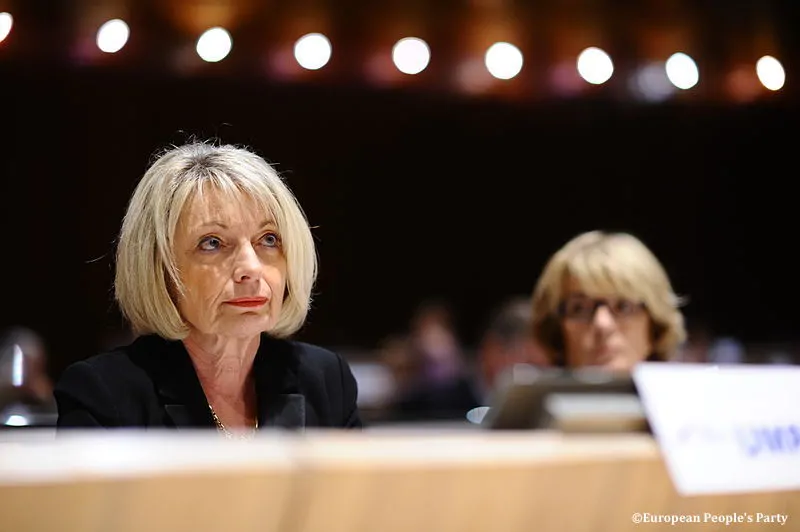 For rapporteur Françoise Grossetête (EPP), the fight against antibiotic resistance begins on the farm. It continues through
the ban on the veterinary use of critically important antibiotics
(the revised legislation would empower the Commission to designate antimicrobials reserved for the treatment of infections in humans), or through a ban on the online sale of antimicrobials, vaccines, and psychotropic substances.
The goal of these measures, approved by MEPs, is to reduce the amount of antibiotics that end up on consumers’ plates. In addition, Member States may ban the online sale of all veterinary drugs intended for animals that produce food of animal origin
within their territory.
However, care must be taken not to reduce veterinarians’ therapeutic options, as there is a real problem with the availability of medicines in this market. The adopted rules thus seek to maintain a balance between combating antimicrobial resistance and the need to support innovation, to protect commercial data in a differentiated manner for major and minor species—and even for specific species such as bees— in order to create strong incentives for research. Preserving animal health also requires improving the quality of treatments and implementing a use reduction for medications outside of marketing authorisation (MA), which necessitates encouraging research and innovation in this sector. In particular, MEPs are calling for longer protection periods for technical documents related to new drugs, as well as commercial protection for innovative active ingredients and for significant investments in data generated to improve an existing antimicrobial or keep it on the market. In addition, the procedure for granting marketing authorizations for veterinary medicinal products will be separated from that for human drugs.
According to Françoise Grossetête, cumbersome administrative procedures are another obstacle to bringing innovative products to market. A new pharmacovigilance system—one that is more flexible, more efficient, and less bureaucratic—is therefore expected to be introduced. Expedited procedures will allow pharmaceutical companies to respond quickly, for example in the event of an epizootic, without compromising European standards for quality and safety.
Furthermore, the EU’s proposed legislation on animal health clarifies the preventive responsibilities of livestock farmers, animal traders, and animal professionals, including veterinarians and pet owners. All livestock producers, sellers, and animal owners will be required to follow the principles of good animal husbandry practices and to use veterinary medicinal products prudently. Veterinarians will be required to educate them about the links between animal health and animal welfare and human health, as well as the issue of antimicrobial resistance.
The European Commission has committed to monitoring the actual use of veterinary antibiotics in Member States and to regularly publishing comparable data on this subject.
The new legislation will empower the Commission to take urgent measures to combat emerging diseases that could pose a significant risk to public health and agricultural production. In addition, farmers’ organizations, veterinarians, animal protection associations, and other stakeholders will be involved in developing emergency plans. All disease control measures must take animal welfare into account by avoiding any pain, distress, or suffering to the animals targeted. To prevent stray animals or pets involved in illegal trade from transmitting diseases, provisions are being considered to require all breeders and professional animal sellers to be registered
.
The animal health legislation was already approved by the European Council in December 2015. Following the Parliament’s approval in early March, the regulation can be published in the Official Journal
of the European Union. It will enter into force 20 days after its publication and will remain in effect for five years.
* http://www.europarl.europa.eu/sides/getDoc.do?pubRef=-//EP//NONSGML+TA+P8-TA-2016-0087+0+DOC+PDF+V0//FR
http://www.europarl.europa.eu/sides/getDoc.do?pubRef=-//EP//NONSGML+TA+P8-TA-2016-0088+0+DOC+PDF+V0//FR
For rapporteur Françoise Grossetête (EPP), the fight against antibiotic resistance begins on the farm. It continues through
the ban on the veterinary use of critically important antibiotics
(the revised legislation would empower the Commission to designate antimicrobials reserved for the treatment of infections in humans), or through a ban on the online sale of antimicrobials, vaccines, and psychotropic substances.
The goal of these measures, approved by MEPs, is to reduce the amount of antibiotics that end up on consumers’ plates. In addition, Member States may ban the online sale of all veterinary drugs intended for animals that produce food of animal origin
within their territory.
However, care must be taken not to reduce veterinarians’ therapeutic options, as there is a real problem with the availability of medicines in this market. The adopted rules thus seek to maintain a balance between combating antimicrobial resistance and the need to support innovation, to protect commercial data in a differentiated manner for major and minor species—and even for specific species such as bees— in order to create strong incentives for research. Preserving animal health also requires improving the quality of treatments and implementing a use reduction for medications outside of marketing authorisation (MA), which necessitates encouraging research and innovation in this sector. In particular, MEPs are calling for longer protection periods for technical documents related to new drugs, as well as commercial protection for innovative active ingredients and for significant investments in data generated to improve an existing antimicrobial or keep it on the market. In addition, the procedure for granting marketing authorizations for veterinary medicinal products will be separated from that for human drugs.
According to Françoise Grossetête, cumbersome administrative procedures are another obstacle to bringing innovative products to market. A new pharmacovigilance system—one that is more flexible, more efficient, and less bureaucratic—is therefore expected to be introduced. Expedited procedures will allow pharmaceutical companies to respond quickly, for example in the event of an epizootic, without compromising European standards for quality and safety.
Furthermore, the EU’s proposed legislation on animal health clarifies the preventive responsibilities of livestock farmers, animal traders, and animal professionals, including veterinarians and pet owners. All livestock producers, sellers, and animal owners will be required to follow the principles of good animal husbandry practices and to use veterinary medicinal products prudently. Veterinarians will be required to educate them about the links between animal health and animal welfare and human health, as well as the issue of antimicrobial resistance.
The European Commission has committed to monitoring the actual use of veterinary antibiotics in Member States and to regularly publishing comparable data on this subject.
The new legislation will empower the Commission to take urgent measures to combat emerging diseases that could pose a significant risk to public health and agricultural production. In addition, farmers’ organizations, veterinarians, animal protection associations, and other stakeholders will be involved in developing emergency plans. All disease control measures must take animal welfare into account by avoiding any pain, distress, or suffering to the animals targeted. To prevent stray animals or pets involved in illegal trade from transmitting diseases, provisions are being considered to require all breeders and professional animal sellers to be registered
.
The animal health legislation was already approved by the European Council in December 2015. Following the Parliament’s approval in early March, the regulation can be published in the Official Journal
of the European Union. It will enter into force 20 days after its publication and will remain in effect for five years.
* http://www.europarl.europa.eu/sides/getDoc.do?pubRef=-//EP//NONSGML+TA+P8-TA-2016-0087+0+DOC+PDF+V0//FR
http://www.europarl.europa.eu/sides/getDoc.do?pubRef=-//EP//NONSGML+TA+P8-TA-2016-0088+0+DOC+PDF+V0//FR
Read next
Animal Welfare
10/06/2026
Bites haven't be an unavoidable part of veterinary work
Animal Welfare
10/05/2026
US animal welfare policy: new federal measures focus on dogs and research while farm animals remain largely outside the framework
Animal Welfare
10/08/2025
Commentaires
No comments yet.
Sign in to comment