

Back to articles
Animal Welfare
Animal abuse
Animal health
Animal welfare
Antiparasitic Products
Best Practices Guide
Canine
Canine Identification
Canine population
Canine Reproduction
Code of Best Practices
Dog
Dog breeder
Dog Trainer
Echinococcosis
Electronic identification
Euthanasia
Fecava
Federation of European Veterinarians
Federation of European Veterinary Associations for Pets
Federation of Veterinarians of Europe
FVE
Identification
Identification of Domestic Carnivores
Illegal Dog Trade
Microchip
Pets
Professional ethics
Rabies
Rabies Vaccination
Sterilization
Stray Animals
Stray dogs
UEVP
Union of European Veterinary Practitioners
Veterinary practitioner
Veterinary services
Veterinary Surveillance
WOAH
World Organisation for Animal Health
Zoonosis
Managing Stray Dogs: European Veterinarians on the Front Lines
V
Vetitude
06/05/2015
6 min read
0 comments
Share:
Promoting veterinary leadership in the control of stray dogs in Europe: this is the joint position* adopted on May 22 by the Federation of Veterinarians of Europe (FVE), the Union of European Veterinary Practitioners (UEVP), and the Federation of European Veterinary Associations for Pets (Fecava). Based on the principle that “every dog deserves a caring owner
,”
the three organizations place veterinarians at the center of stray dog population management.
In several European regions, large numbers of dogs live freely. However, they pose a significant risk to animal health and animal welfare, as well as to public health and welfare. Many pathogens are thus harbored, carried, and transmitted to other animals and humans via
these stray dogs. Diseases that spread in this way range from mild conditions to severe chronic illnesses (such as echinococcosis) and even fatal ones (such as rabies).
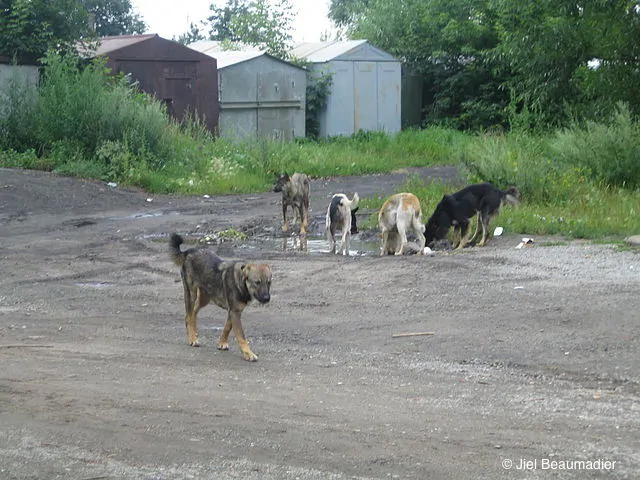 Furthermore, stray dogs are often involved in traffic accidents, and their attacks endanger other animals such as sheep and goats. They, in turn, suffer from difficult living conditions (hunger, skin diseases, lack of shelter, etc.) and inappropriate control measures (shooting on sight, poisoning, mistreatment, etc.).
Ultimately, the approach to solving the problem varies greatly from country to country. At the EU level, there is no legal framework or set of guidelines to govern the legislative and enforcement measures taken, which fall under the jurisdiction of each Member State. In most countries, the issue is addressed at the local level, often without much coordination among municipalities.
For its part, the World Organisation for Animal Health (WOAH) recognizes the need to control stray dog populations and has published recommendations for the prevention of zoonoses in this context. But overall, the management of these dogs remains limited.
This is where veterinarians come in, according to the FVE, the UEVP, and the Fecava. As professionals bound by professional ethics and codes of good practice, licensed and supervised by a regulatory body, they indeed have an important role to play in the prevention and control of this specific canine population. At various levels—as practising veterinarians, government officials, policy advisors, researchers, educators, and more—European veterinarians are rightfully positioned on the front lines to address this issue, which affects not only animal health and animal welfare but also public health.
With this in mind, the three organizations recommend adopting a comprehensive, integrated, long-term approach aimed at managing existing dog populations and preventing the emergence of new stray dogs. The effectiveness of such an approach depends largely on the coordination of initiatives and measures taken, as well as on collaboration and communication among all stakeholders. This integrated approach must also be adapted to the regional context, take cultural and social differences into account, and secure the participation of local communities.
To achieve this, long-term preventive measures are recommended. These include, in particular:
Furthermore, stray dogs are often involved in traffic accidents, and their attacks endanger other animals such as sheep and goats. They, in turn, suffer from difficult living conditions (hunger, skin diseases, lack of shelter, etc.) and inappropriate control measures (shooting on sight, poisoning, mistreatment, etc.).
Ultimately, the approach to solving the problem varies greatly from country to country. At the EU level, there is no legal framework or set of guidelines to govern the legislative and enforcement measures taken, which fall under the jurisdiction of each Member State. In most countries, the issue is addressed at the local level, often without much coordination among municipalities.
For its part, the World Organisation for Animal Health (WOAH) recognizes the need to control stray dog populations and has published recommendations for the prevention of zoonoses in this context. But overall, the management of these dogs remains limited.
This is where veterinarians come in, according to the FVE, the UEVP, and the Fecava. As professionals bound by professional ethics and codes of good practice, licensed and supervised by a regulatory body, they indeed have an important role to play in the prevention and control of this specific canine population. At various levels—as practising veterinarians, government officials, policy advisors, researchers, educators, and more—European veterinarians are rightfully positioned on the front lines to address this issue, which affects not only animal health and animal welfare but also public health.
With this in mind, the three organizations recommend adopting a comprehensive, integrated, long-term approach aimed at managing existing dog populations and preventing the emergence of new stray dogs. The effectiveness of such an approach depends largely on the coordination of initiatives and measures taken, as well as on collaboration and communication among all stakeholders. This integrated approach must also be adapted to the regional context, take cultural and social differences into account, and secure the participation of local communities.
To achieve this, long-term preventive measures are recommended. These include, in particular:
public education (for children and adults) and/or harmonized national and European legislation to encourage responsible pet ownership, combined with the regulation of breeding and the trade in pets (for example, online);
- mandatory microchipping and registration of all dogs, necessary for controlling the European dog population and linked to a centralized database;
- vaccination against rabies and other diseases such as echinococcosis, as well as antiparasitic treatment for all stray animals, through the implementation of health plans tailored to local conditions;
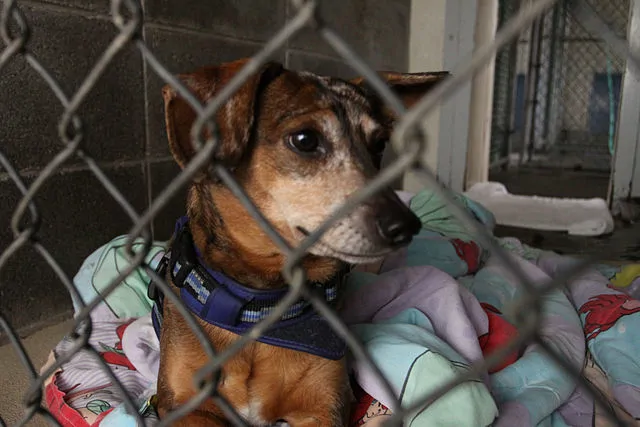
- bringing all shelters up to minimum standards, ensuring they are registered and regularly inspected by the competent authority, and contracting with a veterinarian to provide regular advice and care, including performing euthanasia when necessary;
- encouraging the adoption of dogs, provided that adequate health safeguards are in place and under veterinary supervision, particularly prior to any cross-border adoption;
- the use of temporary control measures (trap-sterilization-vaccinate-release) to prevent the growth of a canine population in light of a clearly identified local situation.
Other Recommendations from the FVE, the UEPV, and Fecava
> Policymakers, legislators, and administrators are called upon to:
- provide the necessary means and resources to promote the concept of responsible ownership and ensure sustainable management of the dog population, for example by funding sterilization programs;
- enact relevant legislation, such as making identification and registration mandatory for all dogs;
- implement effective control and enforcement measures, particularly against the illegal trade in dogs and animal abuse;
- ban unsustainable measures, particularly those that violate animal welfare (use of traps, shooting, poisoning);
- ensure minimum standards and conduct regular inspections of shelters;
- collaborate and share best practices at the regional level;
- move forward at the EU level by adopting an EU-wide law on animal welfare that includes pets.
 > Dog owners and dog breeders are called upon to:
- raise their animals as responsible owners;
- identify and register their dogs;
- prevent uncontrolled dog breeding.
> Educators and researchers are called upon to:
- promote the concept of responsible ownership;
- raise public awareness (including among children) of the dangers posed by stray dogs and teach people how to avoid these risks;
- develop science-based recommendations for dog population management.
> Non-governmental organizations (NGOs) are called upon to:
- collaborate with veterinary services and veterinary practitioners to raise awareness and understanding of the reasons for the growth of stray dog populations and the need to control them, and to educate the public about responsible pet ownership;
- help secure resources for the design and successful implementation of stray dog control programs;
- provide information on local dog populations and types of owners, as well as expertise in handling, caring for, and sterilization of dogs.
Read next
Animal Welfare
10/06/2026
Bites haven't be an unavoidable part of veterinary work
Animal Welfare
10/05/2026
US animal welfare policy: new federal measures focus on dogs and research while farm animals remain largely outside the framework
Animal Welfare
10/08/2025
Commentaires
No comments yet.
Sign in to comment