

Back to articles
Animal Welfare
Animal welfare
AVEF
Beva
BHS
Blue Cross
British Equine Veterinary Association
British Horse Society
Donkey
Electronic identification
Equine Dentist
Equine dentistry
Equine Identification
Equine welfare
Foal
French Equine Veterinary Association
French League for the Protection of Horses
Horse
Horse Protection
Horseworld
LFPC
Microchip
Pony
Redwings Horse Sanctuary
RSPCA
Society for the Protection of Animals and Nature
Spana
Transponder
Veterinarian
World Horse Welfare
Horse Welfare: The British Equine Veterinary Association (BEVA) Launches Two Pilot Projects, One in the U.K. and One in Morocco
V
Vetitude
05/15/2015
4 min read
0 comments
Share:
The Beva Trust has partnered with the British Horse Society (BHS) and the Moroccan Society for the Protection of Animals and Nature (Spana) to carry out two initiatives aimed at promoting equine welfare. Seven volunteer veterinarians participated in a one-day castration and identification event in Southampton organized by the BHS, while in Morocco,
two of their colleagues provided educational support to Spana veterinarians.
The Beva Trust,
established nearly 50 years ago, is the organization responsible for Beva’s animal welfare initiatives. Last year, its objectives changed. Beva members wanted the trust to focus more on charitable and horse-welfare projects requiring the involvement of volunteer veterinarians. The first two proposed initiatives were met with overwhelming support. More than 40 veterinarians volunteered their services, even though only a few spots were available.
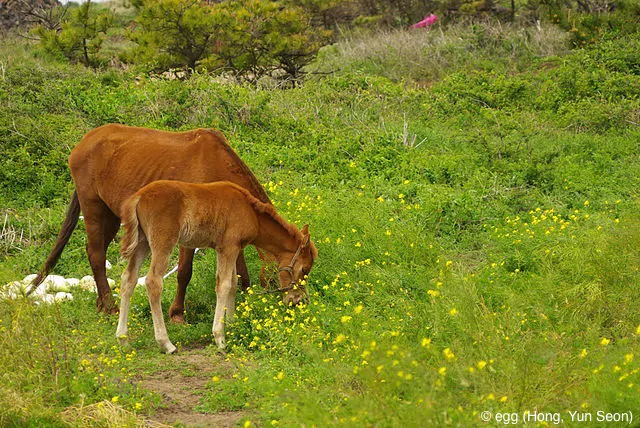 The initiative served as a trial run for future similar campaigns. The goal is to educate equine owners, rebuild ties with the veterinary profession, reduce accidental breeding, and contribute to equine traceability. The BHS estimates that organizing a dozen such castration events could prevent the birth of thousands of unwanted foals over the next two generations. In addition, the implantation of transponders and the issuance of passports increase the number of properly identified horses. This should help protect the food chain and also improve the tracking of abandoned horses. Indeed, the high number of unwanted pregnancies contributes to a surplus of foals that will eventually become unwanted horses, posing a major animal welfare issue. Furthermore, foals and stallions are more difficult to manage and rehome.
Ultimately, this project involving castration and microchipping should help resolve the issue of equine overpopulation in the United Kingdom, which is the root cause of most of the welfare problems observed in the field.
The initiative served as a trial run for future similar campaigns. The goal is to educate equine owners, rebuild ties with the veterinary profession, reduce accidental breeding, and contribute to equine traceability. The BHS estimates that organizing a dozen such castration events could prevent the birth of thousands of unwanted foals over the next two generations. In addition, the implantation of transponders and the issuance of passports increase the number of properly identified horses. This should help protect the food chain and also improve the tracking of abandoned horses. Indeed, the high number of unwanted pregnancies contributes to a surplus of foals that will eventually become unwanted horses, posing a major animal welfare issue. Furthermore, foals and stallions are more difficult to manage and rehome.
Ultimately, this project involving castration and microchipping should help resolve the issue of equine overpopulation in the United Kingdom, which is the root cause of most of the welfare problems observed in the field.
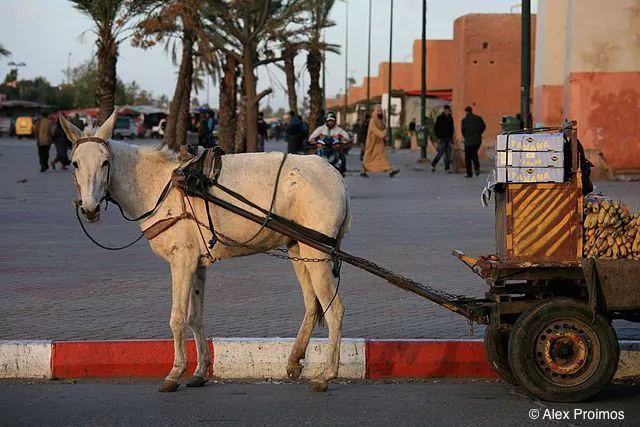 The second pilot project enabled two British veterinarians to travel to Casablanca, Morocco, to provide educational support as part of the SPANA conference. Their colleagues at SPANA, who often work under difficult conditions and face limited access to both medical equipment and medications, were able to receive training in dentistry and wound management through two lectures and a hands-on workshop.
This annual conference also brings together veterinarians from Mauritania, Ethiopia, Mali, Tunisia, Jordan, and Zimbabwe, as well as Morocco, all of whom face challenges related to working equines in Africa. Sharing knowledge, expertise, and skills with them offers hope that draft horses, donkeys, and other working animals used in some of the world’s poorest countries will receive the high-quality veterinary care they so desperately need.
Encouraged by the positive and overwhelming response to its call for volunteers, BEVA will analyze the formula for success of its two pilot projects and will likely continue—and perhaps even expand—its support for this type of pro bono
initiative.
It should be noted that in France, the French League for the Protection of Horses (LFPC) and the French Equine Veterinary Association (AVEF) have attempted to establish a network of veterinarians serving as sentinels for equine welfare, but to no avail. Other initiatives are expected to emerge in the coming months.
The second pilot project enabled two British veterinarians to travel to Casablanca, Morocco, to provide educational support as part of the SPANA conference. Their colleagues at SPANA, who often work under difficult conditions and face limited access to both medical equipment and medications, were able to receive training in dentistry and wound management through two lectures and a hands-on workshop.
This annual conference also brings together veterinarians from Mauritania, Ethiopia, Mali, Tunisia, Jordan, and Zimbabwe, as well as Morocco, all of whom face challenges related to working equines in Africa. Sharing knowledge, expertise, and skills with them offers hope that draft horses, donkeys, and other working animals used in some of the world’s poorest countries will receive the high-quality veterinary care they so desperately need.
Encouraged by the positive and overwhelming response to its call for volunteers, BEVA will analyze the formula for success of its two pilot projects and will likely continue—and perhaps even expand—its support for this type of pro bono
initiative.
It should be noted that in France, the French League for the Protection of Horses (LFPC) and the French Equine Veterinary Association (AVEF) have attempted to establish a network of veterinarians serving as sentinels for equine welfare, but to no avail. Other initiatives are expected to emerge in the coming months.
Pilot Project on Castration and Electronic Identification
As a result, the Beva Trust partnered with the BHS and five other horse welfare organizations (Redwings Horse Sanctuary, Blue Cross, RSPCA, Horseworld, and World Horse Welfare) to tackle a recurring problem in the United Kingdom: unintended breeding. Seven volunteer veterinarians worked to perform castration and apply microchips to local horses recruited by the BHS, which handled the logistics for the day. The veterinarians castrated 28 foals and stallions, a service offered to their owners at a fair price just enough to cover the cost of veterinary medicinal products. They also microchipped 45 horses and issued that many passports.Knowledge Transfer Abroad
Read next
Animal Welfare
10/06/2026
Bites haven't be an unavoidable part of veterinary work
Animal Welfare
10/05/2026
US animal welfare policy: new federal measures focus on dogs and research while farm animals remain largely outside the framework
Animal Welfare
10/08/2025
Commentaires
No comments yet.
Sign in to comment