

Back to articles
Fur-bearing animals: The Netherlands lodges a complaint with Brussels over their slaughter conditions
B
bertrand-neveux
03/13/2015
3 min read
0 comments
Share:
The Dutch delegation submitted a note in preparation for the upcoming European Council (Agriculture and Fisheries) meeting on March 16, 2015. In it, the delegation condemns cases of “extreme cruelty to animals” in the production of angora rabbit wool, raccoon skins, and fur.
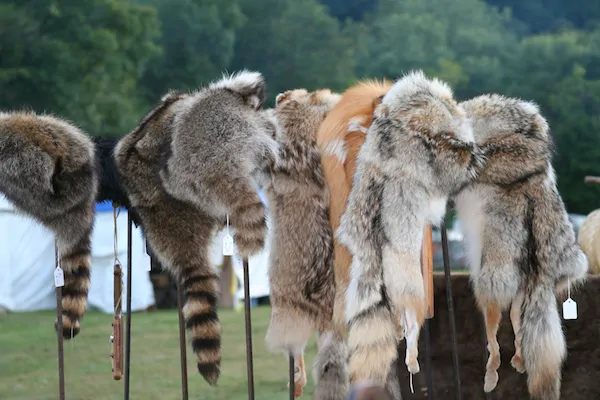 The issue has received extensive media coverage and has caused outrage in the Netherlands. It must be said that the images released are shocking. They show rabbits being skinned while still alive and raccoons being killed in a barbaric manner and skinned alive.
The animal rights organization behind these videos (People for the Ethical Treatment of Animals
, PeTA) has stated that they were filmed in China. This is not the first time that country has been singled out for such practices. A report on the Chinese fur industry was published in 2007 (Care of International Wildlife
2007).
Consequently, the Netherlands is calling on the Council, the Member States of the European Union, and the Commission to take action against this proven barbarity. Specifically, they are calling for an outright ban on products involving animal abuse throughout the entire EU market.
“The practices described are contrary to the ‘General Guidelines on Animal Welfare’ of the World Organisation for Animal Health (WOAH), the recommendations of the Council of Europe, the provisions of Council Directive (EC) No. 98/58 concerning animal protection for farming purposes, and to public morality within the Union.”
The issue has received extensive media coverage and has caused outrage in the Netherlands. It must be said that the images released are shocking. They show rabbits being skinned while still alive and raccoons being killed in a barbaric manner and skinned alive.
The animal rights organization behind these videos (People for the Ethical Treatment of Animals
, PeTA) has stated that they were filmed in China. This is not the first time that country has been singled out for such practices. A report on the Chinese fur industry was published in 2007 (Care of International Wildlife
2007).
Consequently, the Netherlands is calling on the Council, the Member States of the European Union, and the Commission to take action against this proven barbarity. Specifically, they are calling for an outright ban on products involving animal abuse throughout the entire EU market.
“The practices described are contrary to the ‘General Guidelines on Animal Welfare’ of the World Organisation for Animal Health (WOAH), the recommendations of the Council of Europe, the provisions of Council Directive (EC) No. 98/58 concerning animal protection for farming purposes, and to public morality within the Union.”
 The Dutch delegation believes that the textile and apparel industry must be held accountable and help resolve this situation. It proposes requiring these professionals to guarantee that angora wool, hides, and furs were obtained from animals slaughtered under ethical conditions and in accordance with animal welfare standards.
The Dutch textile sector has already responded favorably to its government.
It is also proposed to establish a traceability and quality assurance system, or even independent certification for products of animal origin. The Dutch industry is seeking the support of EU member states to advance standards in the international market.
Thus, on March 16, the Netherlands will ask Member States and the Commission to commit to encouraging the EU’s textile and apparel sector to develop and implement such systems. Given the international nature of this sector, a broad commitment is necessary. The Netherlands also wishes to call on Brussels to “initiate consultations with non-EU countries, including China (the world’s largest fur producer), to discuss ways to combat the observed abuses.”
The delegation concludes by noting that the “European Commission can engage in dialogue with these countries, conclude agreements on regulations, supervision, and enforcement of animal welfare measures—for example, during a high-level meeting or summit, when reviewing trade agreements or memorandums of understanding, etc.”
The Dutch delegation believes that the textile and apparel industry must be held accountable and help resolve this situation. It proposes requiring these professionals to guarantee that angora wool, hides, and furs were obtained from animals slaughtered under ethical conditions and in accordance with animal welfare standards.
The Dutch textile sector has already responded favorably to its government.
It is also proposed to establish a traceability and quality assurance system, or even independent certification for products of animal origin. The Dutch industry is seeking the support of EU member states to advance standards in the international market.
Thus, on March 16, the Netherlands will ask Member States and the Commission to commit to encouraging the EU’s textile and apparel sector to develop and implement such systems. Given the international nature of this sector, a broad commitment is necessary. The Netherlands also wishes to call on Brussels to “initiate consultations with non-EU countries, including China (the world’s largest fur producer), to discuss ways to combat the observed abuses.”
The delegation concludes by noting that the “European Commission can engage in dialogue with these countries, conclude agreements on regulations, supervision, and enforcement of animal welfare measures—for example, during a high-level meeting or summit, when reviewing trade agreements or memorandums of understanding, etc.”
Read next
Animal Welfare
10/06/2026
Bites haven't be an unavoidable part of veterinary work
Animal Welfare
10/05/2026
US animal welfare policy: new federal measures focus on dogs and research while farm animals remain largely outside the framework
Animal Welfare
10/08/2025
Commentaires
No comments yet.
Sign in to comment