

Back to articles
Animal Welfare
Animal
Animal Cloning
Animal Feed
Animal health
Animal species
Animal Traceability
Animal welfare
Biotechnology
Cattle
Cloned Animals
Cloning
EFSA
Equine
European Food Safety Authority
Goat
Importation of Animals
Livestock
Pork
Sheep
Traceability
European Union: Cloning of All Animal Species Raised for Agricultural Purposes to Be Banned Soon
V
Vetitude
06/18/2015
4 min read
0 comments
Share:
A legislative proposal by the European Commission, aimed at banning the cloning of Livestock in the EU, was approved by the Parliament’s Environment and Agriculture Committees on June 17. MEPs even went beyond the initial proposal by also banning the offspring of cloned animals, products derived from them, and the import of products from these animals originating in third countries. They are also addressing European citizens’ concerns regarding animal ethics and animal welfare.
MEPs do not want meat from cloned animals on European citizens’ plates. Eager to protect both the health of EU consumers and animal health, they have heeded the many voices calling for a ban on food products derived from cloned animals or their offspring within the EU market. Currently, these products require prior approval before they can be marketed, based on an assessment conducted by the European Food Safety Authority (EFSA).
[caption id="attachment_5736" align="alignright" width="443"]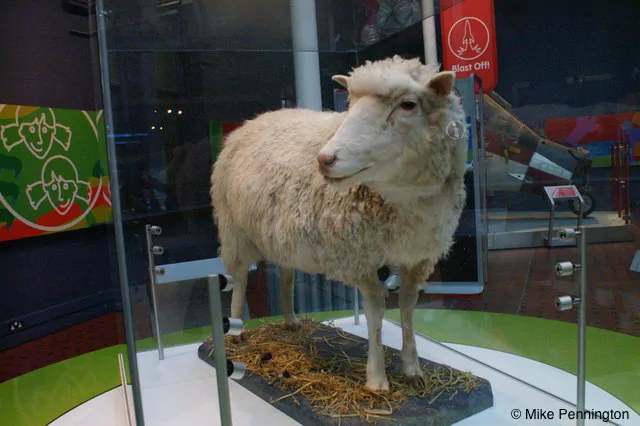 Dolly, a symbol of Livestock cloning[/caption]
Several scientific studies, in particular, have highlighted high mortality rates at all stages of the animal cloning process. EFSA, in its 2008 opinion* and subsequently in its 2009 and 2010 statements, expressed concern about the health and animal welfare of these animal clones, which are severely compromised, often leading to a fatal outcome.
A low cloning success rate (6 to 15% in cattle and 6% in pigs), which requires the implantation of embryos in multiple surrogate females, an unusually large number of offspring, and the presence of abnormalities in the clones, all of which result in difficult parturition and high neonatal mortality.
Cloning is also rejected by a majority of European consumers, who are concerned about its negative effects on animal welfare and the ethical issues raised by this practice. When surveyed as part of a 2010 TNS study on biotechnology, EU citizens were strongly opposed to the consumption of food of animal origin derived from cloned animals or their offspring, and the majority disapproved of the use of cloning for agricultural purposes.
Furthermore, cloning is not necessary for the EU’s beef supply. For Members of the European Parliament, banning it is therefore a matter of European values and principles. Without limiting themselves solely to the bovine, pigs, sheep, goats, and equines listed by the Commission, they extended the ban to all animal species kept and raised for agricultural purposes, as well as to their semen, embryos, offspring, and all derived products, including imported ones.
Furthermore, the text approved by Parliament’s committees (by a vote of 82 in favor, 9 against, and 9 abstentions) changed the legal form of the initial proposal: instead of a directive, which EU member states would have had to transpose into national law, it is now a regulation, which will be directly applicable in each member state
.
To avoid encouraging cloning in certain third countries that trade with the EU, the importation of animals from those countries will be illegal without a certificate proving that they are not clones or their offspring. Imports of semen, embryos, food, and animal feed of animal origin must also be certified as not derived from cloned animals or their offspring. In this context, the traceability of animals and their products appears to be an essential requirement for enforcing the ban on third countries.
Ultimately, the text precludes any possibility of animal cloning becoming a common practice within the European Union. However, the technique should not be prohibited for purposes of research, the conservation of rare breeds or endangered species, or the production of pharmaceuticals and medical devices.
Approved by the Environment and Agriculture Committees, the report will be submitted to Parliament during its plenary session from September 7 to 10, 2015, in Strasbourg. The proposed legislation is expected to take effect no earlier than 2016.
* http://www.efsa.europa.eu/en/efsajournal/doc/767.pdf
Dolly, a symbol of Livestock cloning[/caption]
Several scientific studies, in particular, have highlighted high mortality rates at all stages of the animal cloning process. EFSA, in its 2008 opinion* and subsequently in its 2009 and 2010 statements, expressed concern about the health and animal welfare of these animal clones, which are severely compromised, often leading to a fatal outcome.
A low cloning success rate (6 to 15% in cattle and 6% in pigs), which requires the implantation of embryos in multiple surrogate females, an unusually large number of offspring, and the presence of abnormalities in the clones, all of which result in difficult parturition and high neonatal mortality.
Cloning is also rejected by a majority of European consumers, who are concerned about its negative effects on animal welfare and the ethical issues raised by this practice. When surveyed as part of a 2010 TNS study on biotechnology, EU citizens were strongly opposed to the consumption of food of animal origin derived from cloned animals or their offspring, and the majority disapproved of the use of cloning for agricultural purposes.
Furthermore, cloning is not necessary for the EU’s beef supply. For Members of the European Parliament, banning it is therefore a matter of European values and principles. Without limiting themselves solely to the bovine, pigs, sheep, goats, and equines listed by the Commission, they extended the ban to all animal species kept and raised for agricultural purposes, as well as to their semen, embryos, offspring, and all derived products, including imported ones.
Furthermore, the text approved by Parliament’s committees (by a vote of 82 in favor, 9 against, and 9 abstentions) changed the legal form of the initial proposal: instead of a directive, which EU member states would have had to transpose into national law, it is now a regulation, which will be directly applicable in each member state
.
To avoid encouraging cloning in certain third countries that trade with the EU, the importation of animals from those countries will be illegal without a certificate proving that they are not clones or their offspring. Imports of semen, embryos, food, and animal feed of animal origin must also be certified as not derived from cloned animals or their offspring. In this context, the traceability of animals and their products appears to be an essential requirement for enforcing the ban on third countries.
Ultimately, the text precludes any possibility of animal cloning becoming a common practice within the European Union. However, the technique should not be prohibited for purposes of research, the conservation of rare breeds or endangered species, or the production of pharmaceuticals and medical devices.
Approved by the Environment and Agriculture Committees, the report will be submitted to Parliament during its plenary session from September 7 to 10, 2015, in Strasbourg. The proposed legislation is expected to take effect no earlier than 2016.
* http://www.efsa.europa.eu/en/efsajournal/doc/767.pdf
Read next
Animal Welfare
10/06/2026
Bites haven't be an unavoidable part of veterinary work
Animal Welfare
10/05/2026
US animal welfare policy: new federal measures focus on dogs and research while farm animals remain largely outside the framework
Animal Welfare
10/08/2025
Commentaires
No comments yet.
Sign in to comment