

Back to articles
Animal Welfare
Circus
Eurogroup for Animals
European Veterinary Federation
FVE
Traveling circuses
Wild animals
Europe: Moving Toward a Ban on Wild Animals in Circus Performances
V
Vetitude
04/03/2017
5 min read
0 comments
Share:
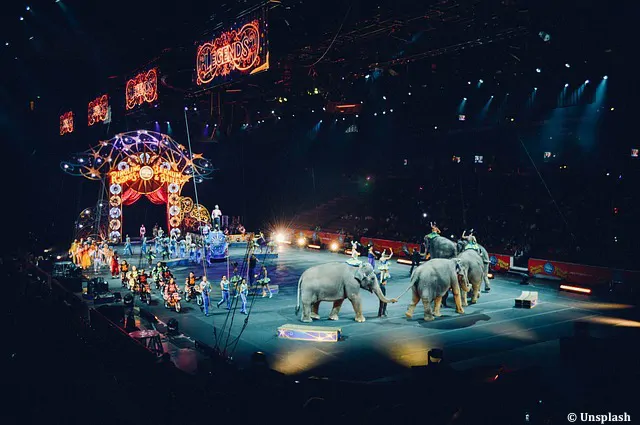
A conference*, organized in part by the Eurogroup for Animals at the European Parliament on March 28, sent a clear message to the European Union: traditional circuses featuring wild animals have long since fallen out of favor with the public, and the time has come for the Commission to take action to ban these outdated and unethical performances in all member states. In recent years, 18 EU countries** have already adopted national regulations to restrict the use of non-domesticated animals in traveling circuses, and hundreds of European municipalities now refuse to host them.
 The conference “Use of Wild Animals in Circuses: Time for a
Change” brought together representatives from all stakeholders, led by MEP Marlène Mizzi (Malta). Discussions focused on the consequences of using wild animals in circuses (from the perspectives of animal health and animal welfare, public safety, species conservation, and ethics) and on the need to ban this practice at the European level. On this occasion, the results of a groundbreaking Italian study on the socioeconomic impact of such a ban were presented, against the backdrop of the rise of contemporary circuses that do not use animals.
Moreover, there is unanimous agreement: animals—particularly non-domesticated species—no longer have a place in circus performances.
Public interest in this form of entertainment, which exploits animals—whether wild or domesticated—is in free fall, both in Europe and beyond. In response to this current trend, some 50 countries worldwide—including more than half of the European Union member states—have already adopted national legislation aimed at banning wild animals in circuses. For the Eurogroup for Animals
, which advocates for extending this ban to all EU countries, the time has come to act to ensure animal welfare by putting an end to their captivity and forced exhibition for the sake of public entertainment.
Malta, Cyprus, and Greece are the only member states to have banned all animal species—both wild and domestic—from circuses.
Conversely, France, Germany, and Ireland are among the countries that have not yet implemented even a partial ban on animals in circuses.
In 2005, Belgium initially opted for a partial ban, requiring circuses to adhere to the same standards for animal care and management as zoos. However, the Belgian veterinary services, faced with the impossibility of conducting effective inspections in circuses, advocated for a total ban. By 2013, the ban
was in place, and since 2014, a total ban on keeping wild animals in circuses has been in effect in Belgium—
the only way to ensure the animal welfare of these wild species.
The Italian government, for its part, has proposed legislative reform of these shows, paving the way for the gradual phase-out of animals kept in circuses in Italy. The proposed law is expected to be adopted by the Italian Parliament by the end of the year.
However, member states that have opted to ban wild species in their circuses are still required to allow these animals to pass through their territory. As a result, traveling circuses must travel longer distances to reach venues that are willing to host them. The animals, crammed into trucks, endure extended transport times. This is why, according to MEP Marlène Mizzi, a comprehensive, EU-wide ban is necessary.
For its part, the FVE took a stand***, as early as 2015, against the use of animals in circuses, which are unable to meet the specific natural needs of the wild animals they hold or to allow them to express species-specific behaviors
. According to the FVE, in addition to animal welfare considerations, the use of these wild animals poses significant risks to public health and safety (injuries, disease transmission, etc.). Therefore, it is recommended that European and national authorities ban the use of wild mammals—particularly elephants and big cats—in traveling circuses.
Constant travel, confinement in cramped cages, the unnatural training of the animals, and their forced exhibition in public make it impossible to ensure these shows are completely safe. For more than 20 years, the Eurogroup for Animals
has been collecting data on circus accidents—some of them fatal—that have occurred in Europe, and the figures are telling. Many animals, having escaped from their enclosures or cages, have wandered onto public roads, posing a serious threat to the public. Since the safety of European citizens falls under the responsibilities established by the EU treaties, a ban on the use of animals in circuses at the EU level therefore appears entirely legitimate.
* “Use of wild animals in circuses: time for a change
,” a conference organized by Member of the European Parliament Marlène Mizzi (S&D), the Eurogroup for Animals,
and the Intergroup on the Welfare and Conservation of Animals,
in Brussels on March 28, 2017, https://www.facebook.com/mizzimarlene/videos/700430933491351/
** http://www.lav.it/cpanelav/js/ckeditor/kcfinder/upload/files/files/List%20States%20ban%20on%20circus%20%20with%20animals.pdf
*** http://www.fve.org/uploads/publications/docs/fve_position_on_the_travelling_circuses_adopted.pdf
The United States as well: the Traveling Exotic Animal and Public Safety Protection Act (TEAPSPA) before Congress
http://www.federalcircusbill.org/
https://www.youtube.com/watch?v=CnZ14krFTag&feature=youtu.be
The conference “Use of Wild Animals in Circuses: Time for a
Change” brought together representatives from all stakeholders, led by MEP Marlène Mizzi (Malta). Discussions focused on the consequences of using wild animals in circuses (from the perspectives of animal health and animal welfare, public safety, species conservation, and ethics) and on the need to ban this practice at the European level. On this occasion, the results of a groundbreaking Italian study on the socioeconomic impact of such a ban were presented, against the backdrop of the rise of contemporary circuses that do not use animals.
Moreover, there is unanimous agreement: animals—particularly non-domesticated species—no longer have a place in circus performances.
Public interest in this form of entertainment, which exploits animals—whether wild or domesticated—is in free fall, both in Europe and beyond. In response to this current trend, some 50 countries worldwide—including more than half of the European Union member states—have already adopted national legislation aimed at banning wild animals in circuses. For the Eurogroup for Animals
, which advocates for extending this ban to all EU countries, the time has come to act to ensure animal welfare by putting an end to their captivity and forced exhibition for the sake of public entertainment.
Malta, Cyprus, and Greece are the only member states to have banned all animal species—both wild and domestic—from circuses.
Conversely, France, Germany, and Ireland are among the countries that have not yet implemented even a partial ban on animals in circuses.
In 2005, Belgium initially opted for a partial ban, requiring circuses to adhere to the same standards for animal care and management as zoos. However, the Belgian veterinary services, faced with the impossibility of conducting effective inspections in circuses, advocated for a total ban. By 2013, the ban
was in place, and since 2014, a total ban on keeping wild animals in circuses has been in effect in Belgium—
the only way to ensure the animal welfare of these wild species.
The Italian government, for its part, has proposed legislative reform of these shows, paving the way for the gradual phase-out of animals kept in circuses in Italy. The proposed law is expected to be adopted by the Italian Parliament by the end of the year.
However, member states that have opted to ban wild species in their circuses are still required to allow these animals to pass through their territory. As a result, traveling circuses must travel longer distances to reach venues that are willing to host them. The animals, crammed into trucks, endure extended transport times. This is why, according to MEP Marlène Mizzi, a comprehensive, EU-wide ban is necessary.
For its part, the FVE took a stand***, as early as 2015, against the use of animals in circuses, which are unable to meet the specific natural needs of the wild animals they hold or to allow them to express species-specific behaviors
. According to the FVE, in addition to animal welfare considerations, the use of these wild animals poses significant risks to public health and safety (injuries, disease transmission, etc.). Therefore, it is recommended that European and national authorities ban the use of wild mammals—particularly elephants and big cats—in traveling circuses.
Constant travel, confinement in cramped cages, the unnatural training of the animals, and their forced exhibition in public make it impossible to ensure these shows are completely safe. For more than 20 years, the Eurogroup for Animals
has been collecting data on circus accidents—some of them fatal—that have occurred in Europe, and the figures are telling. Many animals, having escaped from their enclosures or cages, have wandered onto public roads, posing a serious threat to the public. Since the safety of European citizens falls under the responsibilities established by the EU treaties, a ban on the use of animals in circuses at the EU level therefore appears entirely legitimate.
* “Use of wild animals in circuses: time for a change
,” a conference organized by Member of the European Parliament Marlène Mizzi (S&D), the Eurogroup for Animals,
and the Intergroup on the Welfare and Conservation of Animals,
in Brussels on March 28, 2017, https://www.facebook.com/mizzimarlene/videos/700430933491351/
** http://www.lav.it/cpanelav/js/ckeditor/kcfinder/upload/files/files/List%20States%20ban%20on%20circus%20%20with%20animals.pdf
*** http://www.fve.org/uploads/publications/docs/fve_position_on_the_travelling_circuses_adopted.pdf
The United States as well: the Traveling Exotic Animal and Public Safety Protection Act (TEAPSPA) before Congress
http://www.federalcircusbill.org/
https://www.youtube.com/watch?v=CnZ14krFTag&feature=youtu.be
Read next
Animal Welfare
10/06/2026
Bites haven't be an unavoidable part of veterinary work
Animal Welfare
10/05/2026
US animal welfare policy: new federal measures focus on dogs and research while farm animals remain largely outside the framework
Animal Welfare
10/08/2025
Commentaires
No comments yet.
Sign in to comment