

Back to articles
Animal Welfare
CAP
End of life
Equine Care
Equine identification
Equine industry
Equine welfare
Horse Care
Julie Girling
Maximum residue limit
Phenylbutazone
Slaughter
Veterinary medicinal product
Equine Welfare: A Resolution Aims to Improve the Lives of Horses, Donkeys, and Mules in Europe
V
Vetitude
03/18/2017
12 min read
0 comments
Share:
On March 14, 2017, the European Parliament adopted an ambitious resolution on owner responsibilities and the care of equines*. This resolution paves the way for higher standards of animal health and animal welfare for the approximately 7 million horses, donkeys, and mules in the European Union. The resolution, drafted and sponsored by British MEP Julie Girling, recommends, among other things, that ownership of equines be based on a minimum level of knowledge regarding their care; encourages the exchange and dissemination throughout the Union of best practices and data on the needs of equines; aims to lift the taboo surrounding the end of a horse’s life, establish validated indicators of equine welfare, and more.
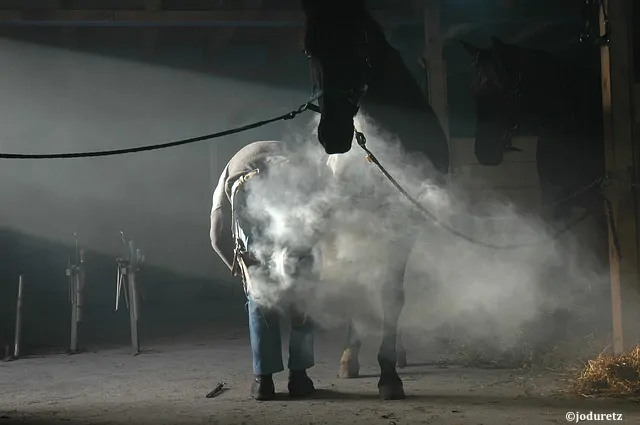 The resolution on responsible ownership and care of equines, adopted in Strasbourg on March 14, notes that the equine welfare and health boost production, benefit the rural economy as a whole, and also meet the increasingly pressing expectations of EU citizens, who are keen to strengthen quality standards in this area. Parliament observes that professionals in the equine industry must remain economically viable, while addressing new challenges related to the limited nature of natural resources, the impacts of climate change, and the emergence and spread of new diseases.
The text draws heavily on the findings of a study published by World Horse Welfare and the Eurogroup for Animal Welfare in June 2015.
At the request of the European Commission, the two organizations had submitted the first investigative report on the equine industry at the European level**,
identifying a number of key animal welfare concerns and calling, among other recommendations, for the adoption of specific standards to protect horses, donkeys, and mules. Equines often fall through the cracks of legislation designed for Livestock or pets.
Rapporteur Julie Girling welcomed the Parliament’s adoption of her report by a large majority. For her, high standards of animal welfare are the hallmark of a civilized society. The next step, in close cooperation with the European Commission, is to implement all of the adopted recommendations in the near future.
Furthermore, the adoption of this resolution on responsible ownership and care of equines is timely: next June will see the first meeting of the new EU Platform on Animal Welfare
***, a group of experts from the European Commission whose objective is to develop and exchange coordinated measures aimed at addressing specific animal welfare challenges by fostering dialogue among civil society, public authorities, industry professionals, universities, scientists, and international intergovernmental organizations.
The platform will also be tasked with promoting the exchange of experiences, best practices, scientific knowledge, and innovations related to animal welfare, and with sharing this information. In this way, Brussels will be able to consult the platform on any issue related to animal welfare within the Union.
* European Parliament resolution of March 14, 2017, on the responsible ownership and care of equines, http://www.europarl.europa.eu/sides/getDoc.do?type=TA&reference=P8-TA-2017-0065&language=FR
** “Removing the blinkers: the health and welfare of European equids in 2015,”
http://www.vetitude.fr/sante-et-bien-etre-des-equides-vers-une-legislation-adaptee-aux-chevaux-anes-et-mules-deurope/
*** http://eur-lex.europa.eu/legal-content/FR/TXT/HTML/?uri=CELEX:32017D0131(01)&from=FR
The resolution on responsible ownership and care of equines, adopted in Strasbourg on March 14, notes that the equine welfare and health boost production, benefit the rural economy as a whole, and also meet the increasingly pressing expectations of EU citizens, who are keen to strengthen quality standards in this area. Parliament observes that professionals in the equine industry must remain economically viable, while addressing new challenges related to the limited nature of natural resources, the impacts of climate change, and the emergence and spread of new diseases.
The text draws heavily on the findings of a study published by World Horse Welfare and the Eurogroup for Animal Welfare in June 2015.
At the request of the European Commission, the two organizations had submitted the first investigative report on the equine industry at the European level**,
identifying a number of key animal welfare concerns and calling, among other recommendations, for the adoption of specific standards to protect horses, donkeys, and mules. Equines often fall through the cracks of legislation designed for Livestock or pets.
Rapporteur Julie Girling welcomed the Parliament’s adoption of her report by a large majority. For her, high standards of animal welfare are the hallmark of a civilized society. The next step, in close cooperation with the European Commission, is to implement all of the adopted recommendations in the near future.
Furthermore, the adoption of this resolution on responsible ownership and care of equines is timely: next June will see the first meeting of the new EU Platform on Animal Welfare
***, a group of experts from the European Commission whose objective is to develop and exchange coordinated measures aimed at addressing specific animal welfare challenges by fostering dialogue among civil society, public authorities, industry professionals, universities, scientists, and international intergovernmental organizations.
The platform will also be tasked with promoting the exchange of experiences, best practices, scientific knowledge, and innovations related to animal welfare, and with sharing this information. In this way, Brussels will be able to consult the platform on any issue related to animal welfare within the Union.
* European Parliament resolution of March 14, 2017, on the responsible ownership and care of equines, http://www.europarl.europa.eu/sides/getDoc.do?type=TA&reference=P8-TA-2017-0065&language=FR
** “Removing the blinkers: the health and welfare of European equids in 2015,”
http://www.vetitude.fr/sante-et-bien-etre-des-equides-vers-une-legislation-adaptee-aux-chevaux-anes-et-mules-deurope/
*** http://eur-lex.europa.eu/legal-content/FR/TXT/HTML/?uri=CELEX:32017D0131(01)&from=FR
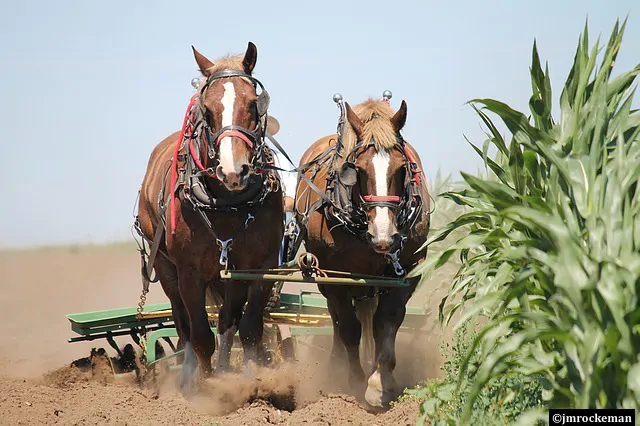 > calls for greater recognition
of the equine sector at the European level
, as well as its benefits for the rural economy, and for its greater integration into the various mechanisms of the Common Agricultural Policy (CAP)
;
> calls on the Commission to recognize the status of working animals
;
> emphasizes that equine owners should possess a minimum level of knowledge regarding the care required
and that ownership entails personal responsibility for the health and animal welfare of the animals in their care;
> emphasizes that the exchange of knowledge
among equine owners, as well as among Member States, is intended to play a major role in meeting these needs;
> encourages Member States to establish conditions conducive to the sustainability of
farm operations
;
> emphasizes the importance of future reference centers
for animal protection and animal welfare, based on the 10 principles of WOAH;
> calls on the Commission to commission a Eurostat study
to analyze the economic, environmental, and social impact of all aspects of the equine sector, as well as to regularly produce statistics
on the use of services, the transport, and equine slaughter;
> calls on the Commission to develop European guidelines on best practices,
intended for various users and specialists, which will focus in particular on the welfare of each species, behavioral care, and care at the end of life;
> calls on the Commission to ensure the uniform application of the Union’s guidelines
and to allocate resources for the translation of this document;
> calls on the Commission to encourage and facilitate the exchange of best practices and educational programs
among Member States regarding animal welfare, and to support the production and dissemination of information
on how to meet the needs of equines, regardless of their role, in accordance with the “Five Freedoms” principle and throughout an equine’s life;
> calls on the Commission to take into account the multifunctional role of equines
by providing guidelines on responsible breeding, animal health and animal welfare, and the benefits of sterilization of equines, as well as on tourism, agriculture, and forestry, species-appropriate transport and equine slaughter, as well as protection against fraudulent practices (particularly doping), and recommends that these guidelines be disseminated to breeders, equine associations, farms, stables, shelters, transporters, and slaughterhouses;
> calls on the Commission and the Member States to support the work of the European Horse Network and the European State Stud Association
, which play an important role in the development of the European equine industry by serving as a platform for the exchange of best practices and by preserving traditions, expertise, heritage breeds, and the sector’s significance;
> calls for greater recognition
of the equine sector at the European level
, as well as its benefits for the rural economy, and for its greater integration into the various mechanisms of the Common Agricultural Policy (CAP)
;
> calls on the Commission to recognize the status of working animals
;
> emphasizes that equine owners should possess a minimum level of knowledge regarding the care required
and that ownership entails personal responsibility for the health and animal welfare of the animals in their care;
> emphasizes that the exchange of knowledge
among equine owners, as well as among Member States, is intended to play a major role in meeting these needs;
> encourages Member States to establish conditions conducive to the sustainability of
farm operations
;
> emphasizes the importance of future reference centers
for animal protection and animal welfare, based on the 10 principles of WOAH;
> calls on the Commission to commission a Eurostat study
to analyze the economic, environmental, and social impact of all aspects of the equine sector, as well as to regularly produce statistics
on the use of services, the transport, and equine slaughter;
> calls on the Commission to develop European guidelines on best practices,
intended for various users and specialists, which will focus in particular on the welfare of each species, behavioral care, and care at the end of life;
> calls on the Commission to ensure the uniform application of the Union’s guidelines
and to allocate resources for the translation of this document;
> calls on the Commission to encourage and facilitate the exchange of best practices and educational programs
among Member States regarding animal welfare, and to support the production and dissemination of information
on how to meet the needs of equines, regardless of their role, in accordance with the “Five Freedoms” principle and throughout an equine’s life;
> calls on the Commission to take into account the multifunctional role of equines
by providing guidelines on responsible breeding, animal health and animal welfare, and the benefits of sterilization of equines, as well as on tourism, agriculture, and forestry, species-appropriate transport and equine slaughter, as well as protection against fraudulent practices (particularly doping), and recommends that these guidelines be disseminated to breeders, equine associations, farms, stables, shelters, transporters, and slaughterhouses;
> calls on the Commission and the Member States to support the work of the European Horse Network and the European State Stud Association
, which play an important role in the development of the European equine industry by serving as a platform for the exchange of best practices and by preserving traditions, expertise, heritage breeds, and the sector’s significance;
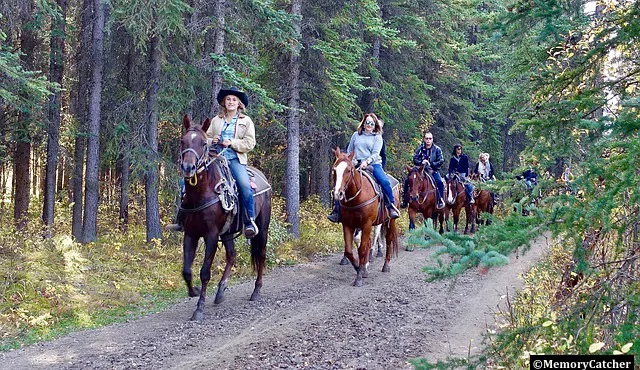 > urges the Commission to expand its educational resources on equine welfare, intended for both specialists who work with equines (veterinarians, breeders, horse owners)
and a broader public, so that they also address the welfare and reproduction of equines, while emphasizing the importance of training and information within the framework of the agricultural advisory system;
> calls on the Commission and the Member States to also use knowledge-transfer mechanisms
to share best practices and business models, to raise awareness of all relevant issues, and to encourage innovation and new ideas;
> calls on the Commission to renew its commitment to developing a European charter
for sustainable and responsible tourism
, providing for the dissemination of clear information to help tourists and relevant stakeholders make choices that respect animal welfare when deciding whether or not to use the services of working equines;
> calls on the Commission to publish guidelines for Member States on animal welfare-friendly tourism models for working equines
;
> calls on Member States to establish voluntary guidelines regarding working conditions
(daily working hours and rest periods) to protect working equines from overwork and economic exploitation;
> calls on the Commission to make TRACES data available to the public
much more quickly than is currently the case;
> calls on the Commission to ensure the proper implementation and effective, uniform enforcement of existing EU legislation on animal transport
, as well as legally binding reporting requirements in all Member States;
> calls on Member States that export equines to explore ways to encourage slaughter within their own territories
, in order to avoid, as far as possible, the transport of live equines, and calls on the Commission to establish a mechanism to effectively monitor
compliance with legislative and regulatory provisions within the current and future legislative framework;
> urges the Commission to expand its educational resources on equine welfare, intended for both specialists who work with equines (veterinarians, breeders, horse owners)
and a broader public, so that they also address the welfare and reproduction of equines, while emphasizing the importance of training and information within the framework of the agricultural advisory system;
> calls on the Commission and the Member States to also use knowledge-transfer mechanisms
to share best practices and business models, to raise awareness of all relevant issues, and to encourage innovation and new ideas;
> calls on the Commission to renew its commitment to developing a European charter
for sustainable and responsible tourism
, providing for the dissemination of clear information to help tourists and relevant stakeholders make choices that respect animal welfare when deciding whether or not to use the services of working equines;
> calls on the Commission to publish guidelines for Member States on animal welfare-friendly tourism models for working equines
;
> calls on Member States to establish voluntary guidelines regarding working conditions
(daily working hours and rest periods) to protect working equines from overwork and economic exploitation;
> calls on the Commission to make TRACES data available to the public
much more quickly than is currently the case;
> calls on the Commission to ensure the proper implementation and effective, uniform enforcement of existing EU legislation on animal transport
, as well as legally binding reporting requirements in all Member States;
> calls on Member States that export equines to explore ways to encourage slaughter within their own territories
, in order to avoid, as far as possible, the transport of live equines, and calls on the Commission to establish a mechanism to effectively monitor
compliance with legislative and regulatory provisions within the current and future legislative framework;
 > calls on the Commission to propose a reduction in the maximum duration of all transports of horses intended for slaughter
;
> calls on the Commission and the Member States to formulate guidelines, facilitate and expand scientific research, and apply existing research on equine welfare at the time of slaughter, in order to develop more humane slaughter methods better suited to equines;
> calls on the Commission and the Member States to conduct inspections and carry
out regular checks of slaughterhouses
authorized to receive equines within their territories, in order to ensure that they are able to meet the specific needs of these animals, particularly with regard to facilities and staff qualifications;
> calls on the Commission to work toward establishing validated animal welfare indicators,
by involving stakeholders who have developed such tools within the Union, and by collaborating with representatives of professional organizations in the equine sector to develop animal welfare indicators;
> calls on the Commission and the Member States to encourage horse owners to form associations
;
> calls on the Member States to enforce stricter legislation against animal abuse and abandonment
and to conduct the necessary thorough investigations into reported inhumane practices and violations of equine welfare provisions;
> Calls on the Commission to conduct a study to examine the differences among equine species
and to formulate species-specific guidelines to ensure compliance with equine welfare standards;
> calls on the Commission and the Member States to support research and the development of
species-appropriate husbandry models
for the equine industry;
> calls on the Commission to prioritize a project to use new and existing funding schemes to reward good results in equine welfare
, including those on small-scale and semi-subsistence farms;
> calls on the Commission to propose a reduction in the maximum duration of all transports of horses intended for slaughter
;
> calls on the Commission and the Member States to formulate guidelines, facilitate and expand scientific research, and apply existing research on equine welfare at the time of slaughter, in order to develop more humane slaughter methods better suited to equines;
> calls on the Commission and the Member States to conduct inspections and carry
out regular checks of slaughterhouses
authorized to receive equines within their territories, in order to ensure that they are able to meet the specific needs of these animals, particularly with regard to facilities and staff qualifications;
> calls on the Commission to work toward establishing validated animal welfare indicators,
by involving stakeholders who have developed such tools within the Union, and by collaborating with representatives of professional organizations in the equine sector to develop animal welfare indicators;
> calls on the Commission and the Member States to encourage horse owners to form associations
;
> calls on the Member States to enforce stricter legislation against animal abuse and abandonment
and to conduct the necessary thorough investigations into reported inhumane practices and violations of equine welfare provisions;
> Calls on the Commission to conduct a study to examine the differences among equine species
and to formulate species-specific guidelines to ensure compliance with equine welfare standards;
> calls on the Commission and the Member States to support research and the development of
species-appropriate husbandry models
for the equine industry;
> calls on the Commission to prioritize a project to use new and existing funding schemes to reward good results in equine welfare
, including those on small-scale and semi-subsistence farms;
 > calls on Member States to ensure that the Equine Passport Regulation
is fully and correctly implemented;
> notes that the cost of veterinary drugs, the cost of carcass disposal, and the cost of euthanasia can hinder the end-of-life
care of an equine
, thereby prolonging its suffering;
> calls on Member States to investigate reported cases of inhumane euthanasia practices and violations
of welfare provisions, such as the inappropriate use of medications, and to report these violations to the Commission;
> notes the growth in the production of donkey and mare milk and calls on the Commission to publish guidelines on this type of dairy farming
;
> calls on Member States to commit to increasing the number of inspections
of farms producing donkey and mare milk;
> expresses deep concern over the import and use of veterinary medicinal products containing gonadotropin
extracted from the serum of pregnant mares (PMSG);
> urges the Commission to ensure that companies certified to produce PMSG
comply with applicable animal welfare provisions, and to conduct an investigation and prepare a report on the welfare and treatment of mares used for the collection of hormones used in the pharmaceutical industry;
> emphasizes that a fair tax system
—tailored to the needs of each Member State and enabling breeders to generate the revenue necessary to sustain the operations of European equestrian farms—has yet to be established;
> notes that a more equitable tax system for the equine industry would help establish a level playing field and increase transparency
—thereby combating fraud—and would enable horse breeders to generate the revenue necessary to sustain their operations;
> considers that clarification of VAT legislation
will be necessary to contribute to the development of the equine sector in a way that promotes growth and employment;
> calls on the Commission to offer Member States greater flexibility in implementing a reduced VAT rate
for all activities within the equine
industry;
> highlights the differences in health requirements imposed on horse meat
produced in Europe and that imported from third countries;
> reiterates the need to implement an effective traceability system for horse meat
and emphasizes that there must be an equivalent level of requirements regarding health, food safety, and import compliance for European consumers, regardless of the origin of the equine meat consumed;
> calls on the Commission to take steps to restore the balance between the level of requirements
within the European Union and those enforced at the borders, while ensuring consumer health security;
> calls on Member States to ensure that the Equine Passport Regulation
is fully and correctly implemented;
> notes that the cost of veterinary drugs, the cost of carcass disposal, and the cost of euthanasia can hinder the end-of-life
care of an equine
, thereby prolonging its suffering;
> calls on Member States to investigate reported cases of inhumane euthanasia practices and violations
of welfare provisions, such as the inappropriate use of medications, and to report these violations to the Commission;
> notes the growth in the production of donkey and mare milk and calls on the Commission to publish guidelines on this type of dairy farming
;
> calls on Member States to commit to increasing the number of inspections
of farms producing donkey and mare milk;
> expresses deep concern over the import and use of veterinary medicinal products containing gonadotropin
extracted from the serum of pregnant mares (PMSG);
> urges the Commission to ensure that companies certified to produce PMSG
comply with applicable animal welfare provisions, and to conduct an investigation and prepare a report on the welfare and treatment of mares used for the collection of hormones used in the pharmaceutical industry;
> emphasizes that a fair tax system
—tailored to the needs of each Member State and enabling breeders to generate the revenue necessary to sustain the operations of European equestrian farms—has yet to be established;
> notes that a more equitable tax system for the equine industry would help establish a level playing field and increase transparency
—thereby combating fraud—and would enable horse breeders to generate the revenue necessary to sustain their operations;
> considers that clarification of VAT legislation
will be necessary to contribute to the development of the equine sector in a way that promotes growth and employment;
> calls on the Commission to offer Member States greater flexibility in implementing a reduced VAT rate
for all activities within the equine
industry;
> highlights the differences in health requirements imposed on horse meat
produced in Europe and that imported from third countries;
> reiterates the need to implement an effective traceability system for horse meat
and emphasizes that there must be an equivalent level of requirements regarding health, food safety, and import compliance for European consumers, regardless of the origin of the equine meat consumed;
> calls on the Commission to take steps to restore the balance between the level of requirements
within the European Union and those enforced at the borders, while ensuring consumer health security;
 > calls on the Commission to make it mandatory to indicate the country of origin
for all processed horse meat products;
> calls on the Commission to
increase inspections of foreign slaughterhouses
authorized to export horse meat to the Union, and to suspend imports of horse meat produced in third countries that do not meet the Union’s food safety and traceability standards;
> emphasizes the need to lift the taboo surrounding the end of life for equines
; believes that facilitating the end of a horse’s life does not preclude its inclusion in the food chain;
> calls on the Commission to pay particular attention to the
care of equines at the end of their lives
, and in particular to the establishment of maximum residue limits for common veterinary medicinal products such as phenylbutazone
, in order to ensure consumer health security;
> calls on Member States to promote the reintegration of equines at the end of their lives into the food chain,
following the last administration of medication, through a “waiting period” system based on scientific research;
> calls on the Commission to address the legal loophole
concerning horses registered as not intended for food production but for which, in certain Member States, the administered medications are not registered, thereby enabling them to enter the illegal slaughter chain with serious risks to public health;
> calls on the Commission to examine, together with the Federation of European Equine Veterinary Associations (Feeva), the harmonization of access to treatments and veterinary medicinal products
throughout Europe;
> calls on the Commission and the Member States to promote the exchange of best practices to facilitate the responsible use of medications
for equines;
> believes that greater efforts are needed to address the low level of investment and the shortage of available medicines
—particularly vaccines—for treating equines;
> reiterates the need to develop pharmaceutical research and innovation
for medication practices in equines, given that the sector suffers from a severe shortage of suitable medications;
> calls on the Commission to fund new research
into the potential effects of various medications on equines;
> calls on the Commission to implement financial support programs for the conservation and protection of local
equine species
living in the wild or endangered within the Union;
> calls for further study of the challenges facing wild equine
populations, given their ecological, natural, and tourism value.
> calls on the Commission to make it mandatory to indicate the country of origin
for all processed horse meat products;
> calls on the Commission to
increase inspections of foreign slaughterhouses
authorized to export horse meat to the Union, and to suspend imports of horse meat produced in third countries that do not meet the Union’s food safety and traceability standards;
> emphasizes the need to lift the taboo surrounding the end of life for equines
; believes that facilitating the end of a horse’s life does not preclude its inclusion in the food chain;
> calls on the Commission to pay particular attention to the
care of equines at the end of their lives
, and in particular to the establishment of maximum residue limits for common veterinary medicinal products such as phenylbutazone
, in order to ensure consumer health security;
> calls on Member States to promote the reintegration of equines at the end of their lives into the food chain,
following the last administration of medication, through a “waiting period” system based on scientific research;
> calls on the Commission to address the legal loophole
concerning horses registered as not intended for food production but for which, in certain Member States, the administered medications are not registered, thereby enabling them to enter the illegal slaughter chain with serious risks to public health;
> calls on the Commission to examine, together with the Federation of European Equine Veterinary Associations (Feeva), the harmonization of access to treatments and veterinary medicinal products
throughout Europe;
> calls on the Commission and the Member States to promote the exchange of best practices to facilitate the responsible use of medications
for equines;
> believes that greater efforts are needed to address the low level of investment and the shortage of available medicines
—particularly vaccines—for treating equines;
> reiterates the need to develop pharmaceutical research and innovation
for medication practices in equines, given that the sector suffers from a severe shortage of suitable medications;
> calls on the Commission to fund new research
into the potential effects of various medications on equines;
> calls on the Commission to implement financial support programs for the conservation and protection of local
equine species
living in the wild or endangered within the Union;
> calls for further study of the challenges facing wild equine
populations, given their ecological, natural, and tourism value.
Key recommendations of the March 14, 2017, resolution
The European Parliament:Read next
Animal Welfare
10/06/2026
Bites haven't be an unavoidable part of veterinary work
Animal Welfare
10/05/2026
US animal welfare policy: new federal measures focus on dogs and research while farm animals remain largely outside the framework
Animal Welfare
10/08/2025
Commentaires
No comments yet.
Sign in to comment