

Back to articles
Animal Welfare
Baboons
Banggai cardinalfish
Cape Mountain Zebra
CITES
Elephant
Fox shark
Gabon Grey Parrot
Gray Parrot
Ifaw
International Trade in Wildlife Species
Lion
Macaque
Miss Clarion
Mobula Rays
Nautilus
Pangolin
Rhinoceros
Shark
Silky shark
Stingray
White rhinoceros
Wildlife
Wood Bison
Endangered Species: The 17th Conference of the Parties to CITES—A Mix of Successes and Disappointments
V
Vetitude
10/10/2016
6 min read
0 comments
Share:
The 17th Conference of the Parties (CoP) to the Convention on International Trade in Endangered Species of Wildlife (CITES) was held from September 24 to October 4, 2016, in South Africa. It brought together delegations from 182 countries to discuss the status of endangered animal and plant species and the measures needed to strengthen their protection. The 2,500 delegates reviewed 62 proposals for priority listings concerning more than 400 species targeted by global wildlife trafficking, such as the pangolin, the rhinoceros, the elephant, the African gray parrot, the macaque, the shark, the ray, and rosewood. In the end, 51 proposals were accepted, 5 were rejected, and 6 were withdrawn.
After two weeks of marathon negotiations, governments from around the world adopted a series of decisions to ensure the survival of some of the most vulnerable wild species of flora and wildlife. This was the first time the European Union participated in—and voted as a party to—this global convention.
 > Appendix I (trade prohibited, except in exceptional circumstances)
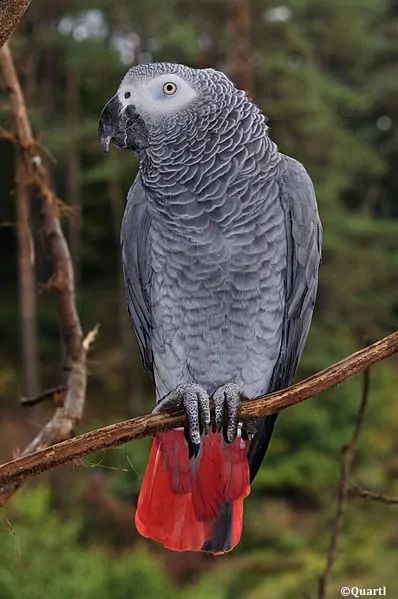
- the Gabon grey parrot
(Psittacus erithacus)
: the third most traded wild bird species in the world, the Gabon
grey parrot was transferred from Appendix II to Appendix I. This enhanced protection puts an end to international trade in this species. According to the International Fund for Animal Welfare
(IFAW), 2.1 to 3.2 million African gray parrots were captured between 1975 and 2013. In 14 of the 18 countries where it is found, its populations have declined by 50 to 90 percent.
- African and Asian pangolins
(8 species): All pangolin species were listed in Appendix I by consensus. International trade in their meat and scales will be banned, and penalties for traffickers will be increased.
- Barbary macaques
(Macaca sylvanus
): Barbary macaques were also listed in Appendix I by consensus.
> Appendix II (legal but regulated trade)
- Clarion damselfish
(Holacanthus clarionensis
): The listing of this fish—which sells for up to $2,000 in the aquarium trade—on Appendix II was approved, despite opposition from Vietnam and Japan.
- Nautilus
(Nautilus
): These marine cephalopod mollusks were listed in Appendix II.
- Mobula rays
(9 species): Now listed in Appendix II, trade in their gill lamellae—which sell for between $290 and $557 per kilogram as a tonic in China—will be subject to controls.
- Silky shark
(Carcharhinus falciformis
): The species has been listed in Appendix II; its populations in the Atlantic have declined by 90% since the 1950s.
- The thresher shark
(Alopias
): The species has been listed in Appendix II; its populations have declined by 99% in the Mediterranean. The fins are sold for $25 per kilogram.
Japan and Iceland continue to oppose the listing of shark species in the CITES Appendices.
Yet 100 million sharks are killed each year, falling victim to industrial and recreational fishing and the international trafficking of fins destined for the Asian market.
> Appendix I (trade prohibited, except in exceptional circumstances)
- the Gabon grey parrot
(Psittacus erithacus)
: the third most traded wild bird species in the world, the Gabon
grey parrot was transferred from Appendix II to Appendix I. This enhanced protection puts an end to international trade in this species. According to the International Fund for Animal Welfare
(IFAW), 2.1 to 3.2 million African gray parrots were captured between 1975 and 2013. In 14 of the 18 countries where it is found, its populations have declined by 50 to 90 percent.
- African and Asian pangolins
(8 species): All pangolin species were listed in Appendix I by consensus. International trade in their meat and scales will be banned, and penalties for traffickers will be increased.
- Barbary macaques
(Macaca sylvanus
): Barbary macaques were also listed in Appendix I by consensus.
> Appendix II (legal but regulated trade)
- Clarion damselfish
(Holacanthus clarionensis
): The listing of this fish—which sells for up to $2,000 in the aquarium trade—on Appendix II was approved, despite opposition from Vietnam and Japan.
- Nautilus
(Nautilus
): These marine cephalopod mollusks were listed in Appendix II.
- Mobula rays
(9 species): Now listed in Appendix II, trade in their gill lamellae—which sell for between $290 and $557 per kilogram as a tonic in China—will be subject to controls.
- Silky shark
(Carcharhinus falciformis
): The species has been listed in Appendix II; its populations in the Atlantic have declined by 90% since the 1950s.
- The thresher shark
(Alopias
): The species has been listed in Appendix II; its populations have declined by 99% in the Mediterranean. The fins are sold for $25 per kilogram.
Japan and Iceland continue to oppose the listing of shark species in the CITES Appendices.
Yet 100 million sharks are killed each year, falling victim to industrial and recreational fishing and the international trafficking of fins destined for the Asian market.
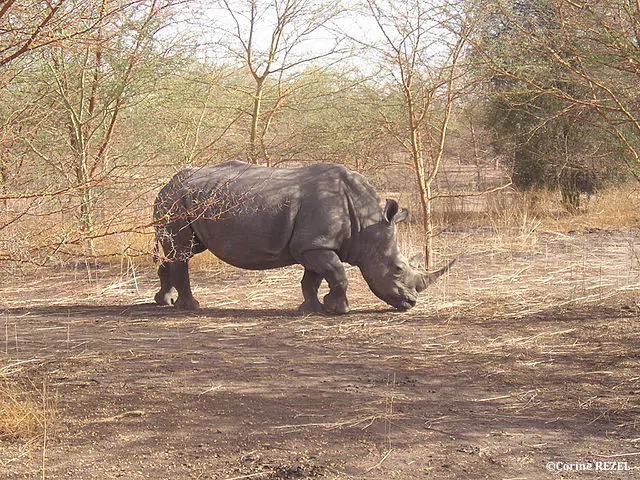 - the white rhinoceros: Swaziland’s proposal to authorize limited and regulated trade in white rhinoceros horn was fortunately rejected. Since 1977, all African rhinoceros species have been listed in Appendix I, but in 2004, the white rhinos of Swaziland were transferred to Appendix II, solely for the export of live animals and hunting trophies under specified annual quotas. Overall, the illegal rhino trade is at its highest level since the early 1990s
, according to IFW. In 2014, some 2,000 horns were sold on the black market to supply Asian countries.
- African elephants: The proposal to list all African elephant populations in Appendix I was rejected, largely due to opposition from the European Union, Brazil, China, Japan, as well as Zimbabwe, South Africa, Namibia, and Mozambique. France and Luxembourg were in favor, as was Botswana
, the only southern African country to vote in favor and to support the 29 countries of the African Elephant Coalition. Despite France’s insistence, the European Union has not yet banned the sale of raw ivory in all its member states, thereby allowing “scandalously legal ivory to hide scandalously tainted ivory
,”
protests the Robin des Bois association, which estimates that by the next COP, to be held in Sri Lanka in 2019, some 100,000 additional elephants will have been killed.
- African lions: The proposal to move all African lions from Appendix II to Appendix I was rejected. A compromise keeps them in Appendix II but bans international trade in products made from the bones and claws of wild lions.
This compromise does not address the problem of the emergence of a lucrative market for the bones of captive-bred lions, primarily in South Africa, due to the scarcity of tiger bones. The existence of a legal market for lion skeletons fuels Asian demand and provides opportunities to launder parts obtained through the illegal poaching of wild lions, laments the IFW. The only positive aspect of this compromise is that it requires South Africa to establish an annual export quota for the trade in lion parts from its breeding facilities. By the time of the 18th COP in Sri Lanka, lion populations—like those of elephants—may well have disappeared from certain regions of the African continent.
- the white rhinoceros: Swaziland’s proposal to authorize limited and regulated trade in white rhinoceros horn was fortunately rejected. Since 1977, all African rhinoceros species have been listed in Appendix I, but in 2004, the white rhinos of Swaziland were transferred to Appendix II, solely for the export of live animals and hunting trophies under specified annual quotas. Overall, the illegal rhino trade is at its highest level since the early 1990s
, according to IFW. In 2014, some 2,000 horns were sold on the black market to supply Asian countries.
- African elephants: The proposal to list all African elephant populations in Appendix I was rejected, largely due to opposition from the European Union, Brazil, China, Japan, as well as Zimbabwe, South Africa, Namibia, and Mozambique. France and Luxembourg were in favor, as was Botswana
, the only southern African country to vote in favor and to support the 29 countries of the African Elephant Coalition. Despite France’s insistence, the European Union has not yet banned the sale of raw ivory in all its member states, thereby allowing “scandalously legal ivory to hide scandalously tainted ivory
,”
protests the Robin des Bois association, which estimates that by the next COP, to be held in Sri Lanka in 2019, some 100,000 additional elephants will have been killed.
- African lions: The proposal to move all African lions from Appendix II to Appendix I was rejected. A compromise keeps them in Appendix II but bans international trade in products made from the bones and claws of wild lions.
This compromise does not address the problem of the emergence of a lucrative market for the bones of captive-bred lions, primarily in South Africa, due to the scarcity of tiger bones. The existence of a legal market for lion skeletons fuels Asian demand and provides opportunities to launder parts obtained through the illegal poaching of wild lions, laments the IFW. The only positive aspect of this compromise is that it requires South Africa to establish an annual export quota for the trade in lion parts from its breeding facilities. By the time of the 18th COP in Sri Lanka, lion populations—like those of elephants—may well have disappeared from certain regions of the African continent.
Among the accepted proposals:
Among the proposals rejected:
Among the withdrawn proposals:
- the Banggai cardinalfish: the proposal to list it under Appendix II was withdrawn. The European Union capitulated to Indonesia, which once again committed to taking conservation measures—a promise it has been making since 2007. Several conservation successes were also recognized, notably for the Cape mountain zebra, several crocodile species, and the wood bison, all of which were downgraded from Appendix I to Appendix II. Amendments to the Appendices, resolutions, and decisions take effect 90 days after the CoP. CITES is a legally binding convention. All decisions made must be incorporated into national laws and enforced; failure to do so may result in sanctions affecting trade in these species. Each year, the funds allocated by CITES to protect flora and fauna internationally are estimated at 18 billion euros.Read next
Animal Welfare
10/06/2026
Bites haven't be an unavoidable part of veterinary work
Animal Welfare
10/05/2026
US animal welfare policy: new federal measures focus on dogs and research while farm animals remain largely outside the framework
Animal Welfare
10/08/2025
Commentaires
No comments yet.
Sign in to comment