

Back to articles
Animal Welfare
Acute hepatopancreatic necrosis
Animal health
Animal welfare
Antibiotics
Antimicrobial resistance
Aquatic Code
Atypical bovine spongiform encephalopathy
Bernard Vallat
Classical swine fever
Contagious Bovine Pleuropneumonia
Equine Plague
Foot-and-mouth disease
Mark Schipp
Michael Modisane Botlhe
Monique Eloit
Peste des petits ruminants
Pork
PVS
Salmonid
Shrimp
Taenia solium
Veterinarian
Veterinary Expertise
Veterinary services
WAHIS
WOAH
WOAH Terrestrial Code
World Organisation for Animal Health
Animal Health and Welfare: WOAH Adopts New Global Standards and Guidelines
V
Vetitude
05/31/2015
4 min read
0 comments
Share:
The resolutions adopted by the Annual General Assembly of Delegates of the WOAH cover all aspects of the international animal health situation, from the control of priority diseases to animal welfare and antimicrobial resistance, as well as the quality of veterinary services.
The 83rd General Session of the WOAH World Assembly of Delegates brought together nearly 900 participants from May 24 to 29, 2015, in Paris. At the end of this week of debates, 41 resolutions were adopted, with each of the 180 member countries having one vote.
The 2015 session was somewhat unusual, as all WOAH leadership positions were subject to a vote by the delegates for renewal. Bernard Vallat, who has led the WOAH for fifteen years, will thus step down as Director General at the end of his third term—in seven months—to be succeeded by Monique Eloit, his current deputy. New members of the Council, the regional commissions, and the four specialized commissions were also elected or reelected for three-year terms. Similarly, the World Assembly of Delegates elected its new President, Dr. Botlhe Michael Modisane (South Africa), as well as its Vice President, Dr. Mark Schipp (Australia).
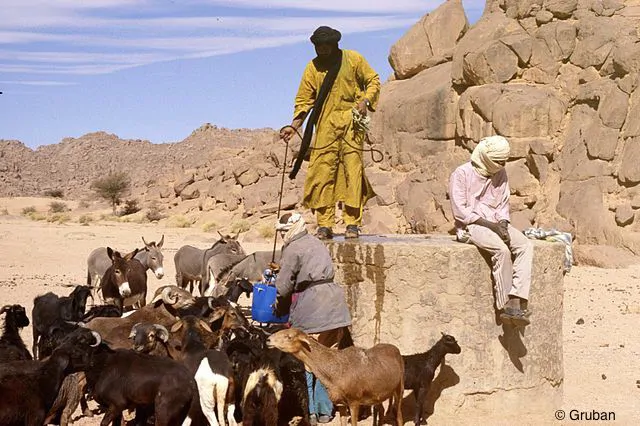 As is the case every year, new intergovernmental standards and guidelines were adopted by the delegates, with the aim of preserving and improving animal health and animal welfare worldwide. In total, the WOAH Terrestrial Code now includes eighteen revised chapters and three new ones, while the Aquatic Code includes twelve revised chapters and two new additions.
Three terrestrial animal diseases have been addressed in these updates. For foot-and-mouth disease, the new provisions aim to limit restrictions on international trade while ensuring the safety of trade through enhanced zoning and compartmentalization procedures. Taenia solium
infection, transmitted from pigs to humans in many developing countries, has been added to the Terrestrial Code. Finally, a provision specific to atypical forms of bovine spongiform encephalopathy has been adopted.
Regarding aquatic animals, acute hepatopancreatic necrosis, an emerging disease that is devastating shrimp farms in Asia and Latin America, ranks 118th on the WOAH’s list of diseases. A new chapter provides recommendations for the surface disinfection of salmonid eggs, and another, updated chapter addresses the control of pathogens present in aquatic animal feed.
As for animal welfare, a new chapter on dairy cows complements the standards relating to animal production.
The prevention of antimicrobial resistance is the focus of updates to two chapters of the Terrestrial Code, concerning the monitoring of antibiotic use at the national level and the risk assessment of antimicrobial resistance due to the use of antimicrobials in animals. A new chapter in the Aquatic Code is also devoted to this risk assessment.
As is the case every year, new intergovernmental standards and guidelines were adopted by the delegates, with the aim of preserving and improving animal health and animal welfare worldwide. In total, the WOAH Terrestrial Code now includes eighteen revised chapters and three new ones, while the Aquatic Code includes twelve revised chapters and two new additions.
Three terrestrial animal diseases have been addressed in these updates. For foot-and-mouth disease, the new provisions aim to limit restrictions on international trade while ensuring the safety of trade through enhanced zoning and compartmentalization procedures. Taenia solium
infection, transmitted from pigs to humans in many developing countries, has been added to the Terrestrial Code. Finally, a provision specific to atypical forms of bovine spongiform encephalopathy has been adopted.
Regarding aquatic animals, acute hepatopancreatic necrosis, an emerging disease that is devastating shrimp farms in Asia and Latin America, ranks 118th on the WOAH’s list of diseases. A new chapter provides recommendations for the surface disinfection of salmonid eggs, and another, updated chapter addresses the control of pathogens present in aquatic animal feed.
As for animal welfare, a new chapter on dairy cows complements the standards relating to animal production.
The prevention of antimicrobial resistance is the focus of updates to two chapters of the Terrestrial Code, concerning the monitoring of antibiotic use at the national level and the risk assessment of antimicrobial resistance due to the use of antimicrobials in animals. A new chapter in the Aquatic Code is also devoted to this risk assessment.
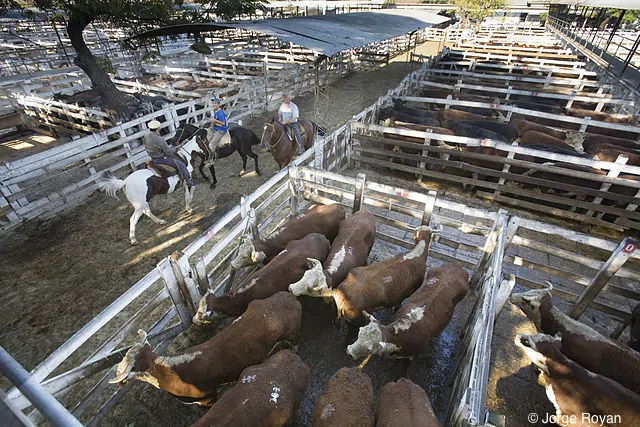 Furthermore, the status of countries with regard to the six priority diseases (bovine spongiform encephalopathy, foot-and-mouth disease, contagious bovine pleuropneumonia, African horse sickness, peste des petits ruminants, and classical swine fever) was reviewed with a view to official recognition.
For the first time, twenty-three countries have been recognized as “classical swine fever-free” in Europe, the Americas, and Asia, as well as one zone in Brazil. Four new countries have been recognized as “free of peste des petits ruminants,” along with one zone in Namibia. Morocco is “free of equine African horse sickness.” Six European countries present a “negligible risk with regard to BSE,” including France, which is also “free of contagious bovine pleuropneumonia.” The Philippines is “free of foot-and-mouth disease without vaccination,” as are new zones in Ecuador, Kazakhstan, and Botswana, with or without vaccination.
A global strategy has been adopted for the control of peste des petits ruminants. Eradication programs will follow the model of those that successfully eliminated rinderpest in 2011.
In terms of veterinary expertise and research projects, a new platform will soon optimize the collection and genotyping of animal pathogens, in conjunction with the WOAH’s Global Animal Health Information System (WAHIS).
In addition, the WOAH network is expanding with four new reference laboratories, bringing the total number of Official Centers of Scientific Excellence to 300, spread across some fifty countries.
Above all, however, the WOAH aims to help its members strengthen the governance of their veterinary services, ensuring they all comply with the standards adopted by the World Assembly. Once again this year, delegates reaffirmed their commitment to implementing the adopted resolutions, drawing on the support programs offered by the WOAH through
its PVS process. The effective functioning of animal health systems is thus the responsibility of each country.
Furthermore, the status of countries with regard to the six priority diseases (bovine spongiform encephalopathy, foot-and-mouth disease, contagious bovine pleuropneumonia, African horse sickness, peste des petits ruminants, and classical swine fever) was reviewed with a view to official recognition.
For the first time, twenty-three countries have been recognized as “classical swine fever-free” in Europe, the Americas, and Asia, as well as one zone in Brazil. Four new countries have been recognized as “free of peste des petits ruminants,” along with one zone in Namibia. Morocco is “free of equine African horse sickness.” Six European countries present a “negligible risk with regard to BSE,” including France, which is also “free of contagious bovine pleuropneumonia.” The Philippines is “free of foot-and-mouth disease without vaccination,” as are new zones in Ecuador, Kazakhstan, and Botswana, with or without vaccination.
A global strategy has been adopted for the control of peste des petits ruminants. Eradication programs will follow the model of those that successfully eliminated rinderpest in 2011.
In terms of veterinary expertise and research projects, a new platform will soon optimize the collection and genotyping of animal pathogens, in conjunction with the WOAH’s Global Animal Health Information System (WAHIS).
In addition, the WOAH network is expanding with four new reference laboratories, bringing the total number of Official Centers of Scientific Excellence to 300, spread across some fifty countries.
Above all, however, the WOAH aims to help its members strengthen the governance of their veterinary services, ensuring they all comply with the standards adopted by the World Assembly. Once again this year, delegates reaffirmed their commitment to implementing the adopted resolutions, drawing on the support programs offered by the WOAH through
its PVS process. The effective functioning of animal health systems is thus the responsibility of each country.
Read next
Animal Welfare
10/06/2026
Bites haven't be an unavoidable part of veterinary work
Animal Welfare
10/05/2026
US animal welfare policy: new federal measures focus on dogs and research while farm animals remain largely outside the framework
Animal Welfare
10/08/2025
Commentaires
No comments yet.
Sign in to comment