

Back to articles
Antimicrobial resistance
Animal health
Antibiotic resistance
Antibiotics
Antimicrobial resistance
Antimicrobials
Medication
One Health
The key to ending the threat of superbugs lies in improving animal welfare in livestock farming
V
Vetitude
05/17/2022
6 min read
0 comments
Share:
By Sandrine Ceurstemont
Antibiotic resistance is a growing threat to human and animal health. Researchers in Europe and around the world are exploring new approaches to address the problem. Because antimicrobial resistance is everywhere. The real threat is not so much resistance itself as the misuse of antimicrobial drugs.
In 2019, more than one million people worldwide died from common bacterial infections that could previously have been treated with antibiotics. Antimicrobial resistance occurs when bacteria, viruses, fungi, and parasites mutate so that they no longer respond to medications. It has become one of the leading causes of death worldwide, killing more people than AIDS or malaria.
According to Dr. Hein Imberechts of the Sciensano research institute in Brussels, Belgium, scientific coordinator of the European Joint Program on One Health (EJP), “the real threat is the misuse of antimicrobial drugs.” The overprescription of antibiotics and antifungals is largely responsible for the emergence of superbugs, as these pathogens can survive and continue to reproduce while drug-sensitive strains are wiped out.
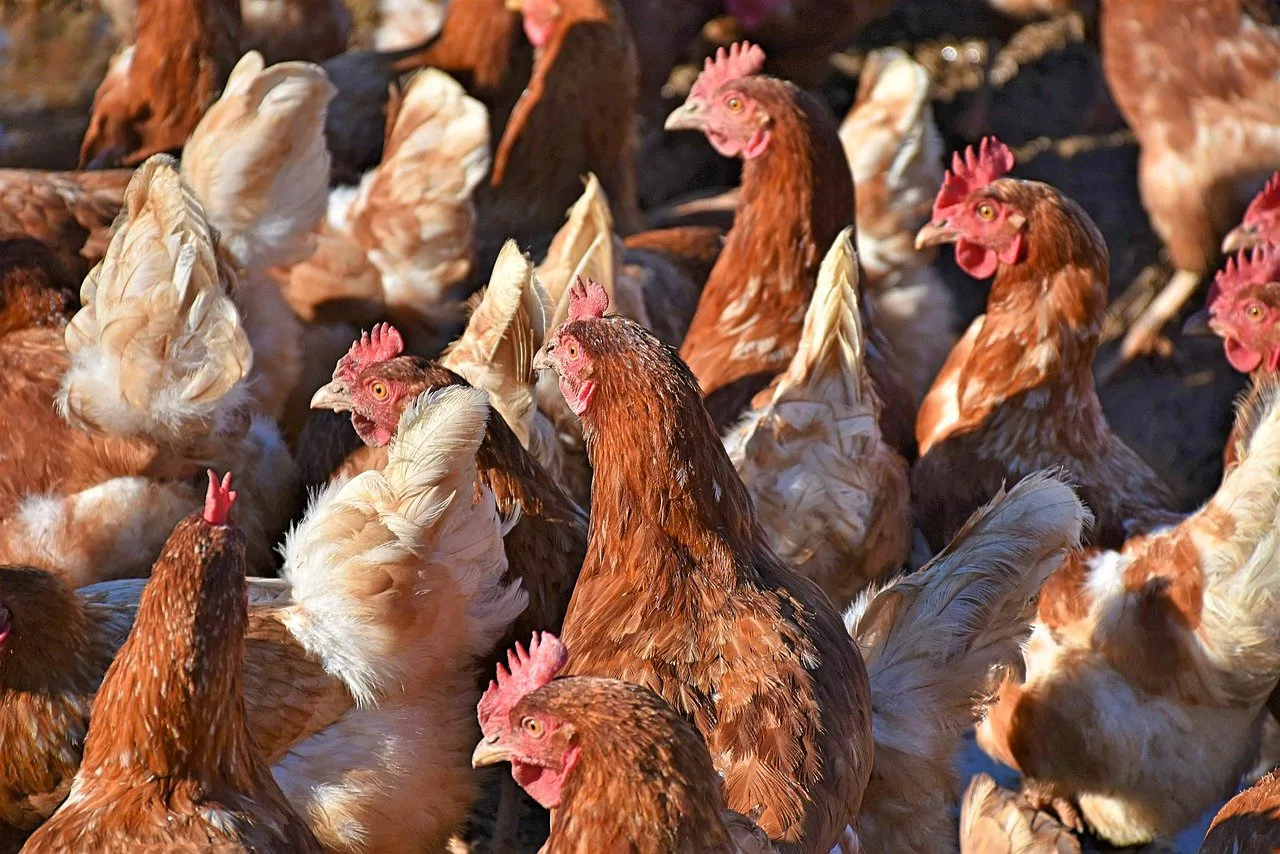
The challenge is similar in animal health. Resistant bacteria can infect livestock and poultry on farms, and if antibiotic therapy proves ineffective, this can affect the animals’ growth and productivity—or even lead to high mortality rates.
Increasingly Resistant Bacteria
“Resistant bacteria are a growing problem in veterinary medicine,” said Dr. Hans Spoolder, an animal welfare researcher at Wageningen University in the Netherlands and coordinator of the Healthy Livestock project.In some countries, livestock producers may give farm animals low doses of antimicrobials to accelerate their growth, or antibiotics may be administered to an entire herd as a preventive measure. In collaboration with 44 food, veterinary, and medical institutions across Europe, the One Health EJP advocates for a new approach to disease surveillance and prevention by bringing together the human, animal health, and environmental health sectors.Antimicrobial resistance is everywhere. The real threat is not resistance itself, but the misuse of antimicrobial drugs.
A Single Ecosystem
“We are convinced that we must view animal health, human health, and environmental health as a single ecosystem, even though there may be interactions between these three sectors. This is likely what happened with the SARS-CoV-2 coronavirus,” said Dr. Imberechts, referring to zoonotic diseases found in animals that are transmitted to humans. A project called Antibiotic Resistance Dynamics (ARDIG ), which is part of One Health EJP, examined the dynamics of antimicrobial resistance in animals, humans, food, and the environment in the United Kingdom, Norway, France, Germany, Spain, and the Netherlands. The way diseases are recorded varies from country to country, as do levels of bacterial resistance. Some countries track the volume of antibiotics sold over a given period rather than the amount prescribed to animals. Medications are sometimes administered en masse to large numbers of animals rather than only to sick individuals.Thus, Dr. Imberechts believes that “standards are needed to harmonize the different approaches. There are many errors in recording antibiotic use in animals, whereas it is much easier for humans.” To help standardize data on pathogens and antibiotic resistance, the ORION project has created a glossary of more than 1,000 relevant terms. This enables people working in different regions and sectors to better understand one another by using the same terminology. For its part, the Cohesive project has developed an open-source online platform designed to facilitate the sharing of information on potential outbreaks of foodborne diseases that could be transmitted between species—for example, from animals to humans. “This is very important if you want to compare information with other countries and define alert thresholds,” emphasized Dr. Imberechts.We are convinced that animal diseases, human diseases, and the environment must be viewed as a single ecosystem.
Prudent Prescribing and Prevention
Pathogens are less likely to become resistant if antimicrobial treatments are used responsibly. As part of the HealthyLivestock project, Dr. Spoolder and his colleagues are using four early-intervention and preventive strategies to reduce antibiotic use in pigs and chickens. The project focuses on Europe and China, two regions where active research on antimicrobial resistance is underway. The first strategy involves using preventive measures to stop pathogens from entering farms. For example, one approach involves developing an app used to assess risk factors for the spread of the deadly African swine fever virus in pig farms in China. Healthy Livestock is also exploring ways to prevent the spread of disease by implementing early detection of health issues in poultry flocks using a camera system. By comparing the behavioral patterns of sick and healthy chickens, they are attempting to identify those that are developing a disease based on observations of their behavior. “This technology is still in the testing phase, but it’s very promising,” says Dr. Spoolder. “There is still much work to be done in the area of disease detection.” The use of this targeted approach should also reduce the number of pathogens targeted and could therefore lower the risk of resistance developing. “If you know which animals are sick, you can treat only those, rather than the other healthy animals in the herd,” explains Dr. Spoolder.Promoting Stronger Immunity
Improving resilience in animals makes them less likely to get sick. Research on pig farming has revealed that the living conditions of sows directly affect the health of their litters.Sows that live in groups and move about freely give birth to piglets with stronger immune systems that are better able to resist pathogens than those who spend their lives in stalls. Sow stalls have been banned in the European Union since 2013, except for a few weeks during gestation, but they are still permitted in China. However, “a mother’s stress has a very direct effect on the resilience of her offspring,” Dr. Spoolder points out. Other studies indicate that more space and straw are environmental factors that enable pigs to recover more quickly from infections. With an ambitious goal of reducing sales of antimicrobials for livestock and aquaculture in the European Union by 50% by 2030, animal health and animal welfare plans will begin to play a greater role in reducing disease.The mother’s stress has a very direct effect on her offspring’s resilience.
- To reduce antimicrobial use, the Healthy Livestock project is organizing an industry day on June 23, 2022, in Bologna, Italy, to bring together practitioners and scientists to discuss innovations for more effectively combating antimicrobial resistance in livestock farming. Follow the link to learn more about the HealthyLivestock Industry Day.
Read next
Antimicrobial resistance
10/08/2026
Zoonotic bacterial pathogens: antimicrobial resistance turns repeated animal exposure into a One Health threat
Antimicrobial resistance
10/06/2026
A study has ranked the antimicrobial-resistant organisms considered most important at the human–companion animal interface
Antimicrobial resistance
09/27/2026
Commentaires
No comments yet.
Sign in to comment