Antimicrobial resistance in pathogenic bacteria is a growing concern for both public health and animal health. In Canada, bacteriological data generated by animal health diagnostic laboratories have been identified as a potential source of information on antimicrobial resistance in farm animals. However, these data are underutilized for antimicrobial resistance surveillance, and few scientific studies have been published based on them.
A review of the literature shows that at least
five European countries base their antibiotic resistance reports on data from veterinary diagnostic laboratories. Therefore, strengthening the Canadian surveillance system requires a new, evidence-based approach. The project therefore involved developing a data collection program based on the systematic reporting of resistance observed in bacterial isolates of animal origin from the
British Columbia Animal Health Centre (AHC). In addition, a list of existing surveillance programs using animal health data in North America and Europe was compiled.
For France, the selected source of veterinary data is the Network for Epidemiological Surveillance and Antimicrobial Resistance of Pathogenic Animal Bacteria (Resapath).
Based on a review of foreign programs, interviews with stakeholders, and an analysis of AHC data, templates for reporting on antimicrobial resistance were developed. Data collection was conducted through the
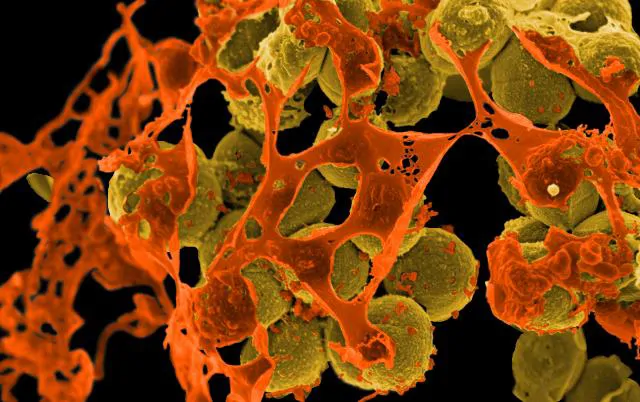
Canadian Animal Health Surveillance Network. Finally, the complete results for animal-bacteria-antimicrobial combinations from 2007 to 2015 were published in two reports. In human health, the report provides data on resistance in methicillin-resistant
Staphylococcus aureus, Escherichia coli, and
Salmonella. In animal health, the report provides information on resistance in
Aeromonas salmonicida and
Yersinia ruckeri (isolated from Atlantic salmon),
Streptococcus dysgalactiae,
S. uberis,
Staphylococcus aureus, coagulase-negative staphylococci, and
E. coli (in dairy cattle), and
Staphylococcus spp. (in broiler chickens).
Analysis of the available, previously untapped data has provided relevant and useful information on antimicrobial resistance to public health officials, the general public, as well as to stakeholders in British Columbia’s Livestock sector, particularly regarding pathogens of concern in the main animal species raised for human consumption.
A comparison of similarities and differences was conducted between the animal-bacteria-antibiotic combinations from the AHC and those from the public reports of the Canadian Integrated Antimicrobial Resistance Surveillance Program (PICRA) to calculate the average proportions of resistant isolates.
Developing an evidence-based approach for antimicrobial resistance reporting for British Columbia diagnostic animal health laboratory data,
https://www.ncbi.nlm.nih.gov/pmc/articles/PMC5901857/


Commentaires
No comments yet.
Sign in to comment