

Back to articles
Antimicrobial resistance
Antibiotics
Antimicrobial resistance
Antimicrobials
Colistin
Enterococcus
Food
Linezolid
Microbiota
Pet food
Are Dogs a Source of Antimicrobial Resistance?
MR
Mia Rozenbaum
04/22/2020
4 min read
0 comments
Share:
The emergence and spread of bacterial strains that are multidrug-resistant to antibiotics is a major health problem for both humans and animals. Questions have been raised about the appropriateness of treating pets, particularly with regard to the transmission of antimicrobial resistance to humans.
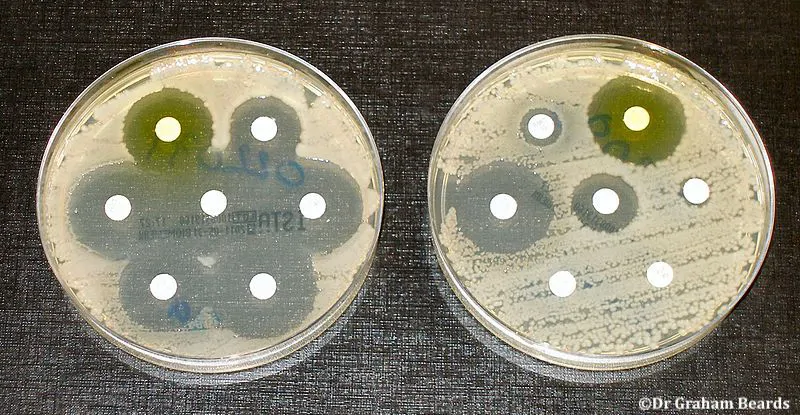 While antibiotics are currently the weapon of choice against all kinds of bacteria, their effectiveness is under threat. This revolutionary treatment, which saves millions of lives every year, appears to have encountered a formidable adversary. Over the past few decades, bacteria have developed various adaptive mechanisms that allow them to resist antibiotics.
And these pathogenic bacteria, which have become resistant to one or more antibiotics, are spreading across all continents and among all animals. A true global health emergency, antimicrobial resistance threatens to make diseases that currently seem easy to treat deadly once again. It is therefore urgent to identify and limit the factors that promote the emergence and spread of antimicrobial resistance.
While agriculture is often singled out in the fight against antimicrobial resistance, it is because the nonspecific use of antibiotics in farm animals (primarily outside the European Union) creates conditions that allow bacteria to develop resistance mechanisms. Meat consumption of this type poses a risk to humans, but that’s not all. A new study shows that so-called “raw” dog diets may be a source of multidrug-resistant bacteria.
Raw dog diets have recently gained popularity as a healthier choice. However, some scientists are sounding the alarm, warning that these diets act as vectors for the transmission of antibiotic-resistant bacteria. In fact, raw dog food contains high levels of enterococci—opportunistic pathogenic bacteria found in the normal gut microbiota—that are multidrug-resistant, particularly to antibiotics used as a last resort to treat human infections, such as linezolid.
While antibiotics are currently the weapon of choice against all kinds of bacteria, their effectiveness is under threat. This revolutionary treatment, which saves millions of lives every year, appears to have encountered a formidable adversary. Over the past few decades, bacteria have developed various adaptive mechanisms that allow them to resist antibiotics.
And these pathogenic bacteria, which have become resistant to one or more antibiotics, are spreading across all continents and among all animals. A true global health emergency, antimicrobial resistance threatens to make diseases that currently seem easy to treat deadly once again. It is therefore urgent to identify and limit the factors that promote the emergence and spread of antimicrobial resistance.
While agriculture is often singled out in the fight against antimicrobial resistance, it is because the nonspecific use of antibiotics in farm animals (primarily outside the European Union) creates conditions that allow bacteria to develop resistance mechanisms. Meat consumption of this type poses a risk to humans, but that’s not all. A new study shows that so-called “raw” dog diets may be a source of multidrug-resistant bacteria.
Raw dog diets have recently gained popularity as a healthier choice. However, some scientists are sounding the alarm, warning that these diets act as vectors for the transmission of antibiotic-resistant bacteria. In fact, raw dog food contains high levels of enterococci—opportunistic pathogenic bacteria found in the normal gut microbiota—that are multidrug-resistant, particularly to antibiotics used as a last resort to treat human infections, such as linezolid.
 Although these foods appear to be regulated by EU authorities with regard to their microbiological safety, the risk assessment associated with biological hazards should also include antibiotic-resistant bacteria and/or resistance genes, in addition to determining the presence of bacterial pathogens. Scientists recommend cooking the food before consumption to reduce risks to dogs, but also to decrease the risk of transmission to humans.
According to them, the close contact between pets and humans, along with the sale of raw pet food in various EU countries, poses an international public health risk if these strains are transmitted between dogs and humans. But are pets really a source of antibiotic-resistant bacteria that pose a danger to humans?
This is what some studies seem to suggest, as they show that resistance genes are present in both humans and dogs. This is the case with the mcr-1 to mcr-9 genes, which confer resistance to colistin—a last-resort antibiotic used to treat bacterial infections resistant to all other antibiotics. If they come into direct contact, humans and dogs could transmit bacteria containing the mcr-1 gene to other humans, dogs, and even other animals.
However, these findings should be viewed with caution. While there are indeed genetically identical multidrug-resistant bacteria found in humans and their pets—suggesting that human-to-animal transmission is possible—such events remain rare. In fact, a study shows that pet ownership is not a significant risk factor for colonization by a multidrug-resistant bacteria. Transmission of multidrug-resistant bacteria between humans and animals has been confirmed in only 1.8% of animal owners and their respective pets.
Transmission of multidrug resistance to antibiotic resistance between animals and humans is therefore possible in rare cases, but pet ownership does not appear to significantly increase this risk. Pets are therefore not a major source of antibiotic-resistant infections in humans. If this were to be the case, special consideration would need to be given to the appropriateness of care for pets, particularly regarding the use of antibiotics.
However, based on current knowledge, pet care does not constitute a significant risk factor for colonization by multidrug-resistant bacteria in humans.
Although these foods appear to be regulated by EU authorities with regard to their microbiological safety, the risk assessment associated with biological hazards should also include antibiotic-resistant bacteria and/or resistance genes, in addition to determining the presence of bacterial pathogens. Scientists recommend cooking the food before consumption to reduce risks to dogs, but also to decrease the risk of transmission to humans.
According to them, the close contact between pets and humans, along with the sale of raw pet food in various EU countries, poses an international public health risk if these strains are transmitted between dogs and humans. But are pets really a source of antibiotic-resistant bacteria that pose a danger to humans?
This is what some studies seem to suggest, as they show that resistance genes are present in both humans and dogs. This is the case with the mcr-1 to mcr-9 genes, which confer resistance to colistin—a last-resort antibiotic used to treat bacterial infections resistant to all other antibiotics. If they come into direct contact, humans and dogs could transmit bacteria containing the mcr-1 gene to other humans, dogs, and even other animals.
However, these findings should be viewed with caution. While there are indeed genetically identical multidrug-resistant bacteria found in humans and their pets—suggesting that human-to-animal transmission is possible—such events remain rare. In fact, a study shows that pet ownership is not a significant risk factor for colonization by a multidrug-resistant bacteria. Transmission of multidrug-resistant bacteria between humans and animals has been confirmed in only 1.8% of animal owners and their respective pets.
Transmission of multidrug resistance to antibiotic resistance between animals and humans is therefore possible in rare cases, but pet ownership does not appear to significantly increase this risk. Pets are therefore not a major source of antibiotic-resistant infections in humans. If this were to be the case, special consideration would need to be given to the appropriateness of care for pets, particularly regarding the use of antibiotics.
However, based on current knowledge, pet care does not constitute a significant risk factor for colonization by multidrug-resistant bacteria in humans.
Read next
Antimicrobial resistance
10/08/2026
Zoonotic bacterial pathogens: antimicrobial resistance turns repeated animal exposure into a One Health threat
Antimicrobial resistance
10/06/2026
A study has ranked the antimicrobial-resistant organisms considered most important at the human–companion animal interface
Antimicrobial resistance
09/27/2026
Commentaires
No comments yet.
Sign in to comment