

Back to articles
Antimicrobial resistance
AIDS
Animal health
Antibiotics
Antifungal
Antimicrobial drugs
Antimicrobial resistance
Antimicrobials
Antiparasitic Products
Antiviral drugs
FAO
Malaria
Margaret Chan
Tuberculosis
UN
Veterinarian
WHO
WOAH
Antimicrobial Resistance: The UN Issues a Global Alert to Preserve the Effectiveness of Antibiotics
V
Vetitude
09/26/2016
4 min read
0 comments
Share:
By 2050, antimicrobial resistance could claim more lives worldwide than cancer and cost up to 90,000 billion euros in lost production. At least, that is the fear of the United Nations (UN), which convened its General Assembly on September 21 in New York. For the fourth time in its history, the UN has taken up a public health issue and placed it on the agenda for its debates. It must be said that the spread of antibiotic-resistant bacteria has become a global threat, which the World Health Organization (WHO) is also combating. Adopting a common and coordinated response to this “slow-moving tsunami” requires the urgent commitment of the international community as a whole.
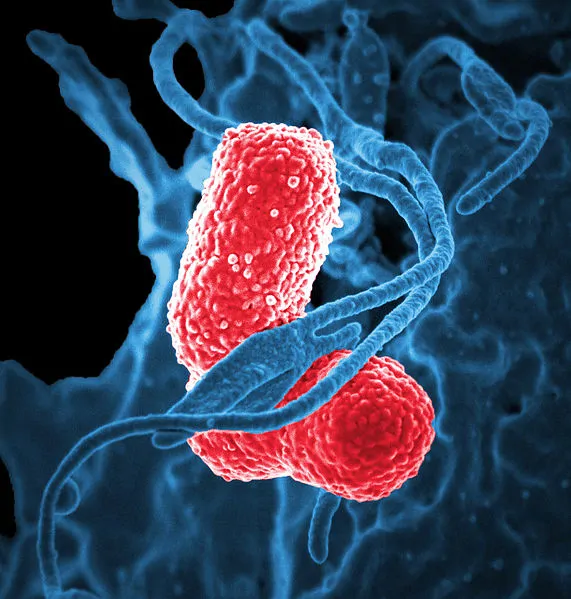 Following AIDS, noncommunicable diseases, and the Ebola virus, it is now antimicrobial resistance’s turn to be discussed on the sidelines of the UN General Assembly. Described as “a fundamental long-term threat to human health, food production, and sustainable development
,”
the phenomenon currently affects every region of the world and all classes of antimicrobial drugs: antibiotics, antivirals, antiparasitics, and antifungals.
Addressing the 71st UN General Assembly, Secretary-General Ban Ki-moon emphasized the urgency of taking action and cited a few telling examples: more than 200,000 children die each year from infections with antibiotic resistance; an outbreak of multidrug-resistant, waterborne typhoid is affecting several regions of Africa; resistance to treatments for malaria and HIV/AIDS is growing, and forms of tuberculosis resistant to most anti-tuberculosis drugs have been identified in about 100 countries, among other examples. “It is possible to reduce antimicrobial resistance,”
he concluded, “but it will not be easy and will require a long-term commitment”
from all countries to address the root causes of antimicrobial resistance in the fields of human health, animal health, and agriculture.
“The world is heading toward a post-antibiotic era where common infections and minor injuries that have been treated for decades could once again be fatal,”
the WHO warns. According to the WHO, at least half of all antibiotics produced are used in animals, and this veterinary consumption is projected to increase by 66% by 2030, based on U.S. forecasts.
For the first time, UN member states have committed to developing national plans based on the Global Action Plan to Combat Antimicrobial Resistance developed by the WHO in 2015, in collaboration with the FAO and the World Organisation for Animal Health (WOAH). Their goal will be to put an end to the inappropriate use and overconsumption of these drugs, both in humans and animals.
The leaders present also highlighted the shortcomings of antimicrobial resistance surveillance systems and poor prescribing and consumption practices in human medicine and veterinary medicine, as well as in agriculture. The national plans will therefore aim to strengthen surveillance mechanisms while imposing stricter controls on usage. However, vigilance and prescription restrictions alone will not be enough to solve the problem. Countries have therefore committed to introducing new incentives to fund and accelerate research and development of new drugs, rapid diagnostic tests, and other innovative therapies or molecules intended to replace those that have lost effectiveness or lead to therapeutic dead ends. To prevent infections and reduce the use of antibiotics, the importance of vaccination, safe drinking water, sanitation, and hygiene in hospitals and in the livestock sector was also emphasized.
Following the declarations of intent and political will, Margaret Chan, Director-General of the WHO, reiterated the urgency of the global response: “The commitments made must be translated into rapid, effective, and life-saving actions in the areas of human health, animal health, and environmental health, because time is of the essence .”
Heads of state will be required to present an initial assessment of their actions in September 2018, during the next UN General Assembly.
Following AIDS, noncommunicable diseases, and the Ebola virus, it is now antimicrobial resistance’s turn to be discussed on the sidelines of the UN General Assembly. Described as “a fundamental long-term threat to human health, food production, and sustainable development
,”
the phenomenon currently affects every region of the world and all classes of antimicrobial drugs: antibiotics, antivirals, antiparasitics, and antifungals.
Addressing the 71st UN General Assembly, Secretary-General Ban Ki-moon emphasized the urgency of taking action and cited a few telling examples: more than 200,000 children die each year from infections with antibiotic resistance; an outbreak of multidrug-resistant, waterborne typhoid is affecting several regions of Africa; resistance to treatments for malaria and HIV/AIDS is growing, and forms of tuberculosis resistant to most anti-tuberculosis drugs have been identified in about 100 countries, among other examples. “It is possible to reduce antimicrobial resistance,”
he concluded, “but it will not be easy and will require a long-term commitment”
from all countries to address the root causes of antimicrobial resistance in the fields of human health, animal health, and agriculture.
“The world is heading toward a post-antibiotic era where common infections and minor injuries that have been treated for decades could once again be fatal,”
the WHO warns. According to the WHO, at least half of all antibiotics produced are used in animals, and this veterinary consumption is projected to increase by 66% by 2030, based on U.S. forecasts.
For the first time, UN member states have committed to developing national plans based on the Global Action Plan to Combat Antimicrobial Resistance developed by the WHO in 2015, in collaboration with the FAO and the World Organisation for Animal Health (WOAH). Their goal will be to put an end to the inappropriate use and overconsumption of these drugs, both in humans and animals.
The leaders present also highlighted the shortcomings of antimicrobial resistance surveillance systems and poor prescribing and consumption practices in human medicine and veterinary medicine, as well as in agriculture. The national plans will therefore aim to strengthen surveillance mechanisms while imposing stricter controls on usage. However, vigilance and prescription restrictions alone will not be enough to solve the problem. Countries have therefore committed to introducing new incentives to fund and accelerate research and development of new drugs, rapid diagnostic tests, and other innovative therapies or molecules intended to replace those that have lost effectiveness or lead to therapeutic dead ends. To prevent infections and reduce the use of antibiotics, the importance of vaccination, safe drinking water, sanitation, and hygiene in hospitals and in the livestock sector was also emphasized.
Following the declarations of intent and political will, Margaret Chan, Director-General of the WHO, reiterated the urgency of the global response: “The commitments made must be translated into rapid, effective, and life-saving actions in the areas of human health, animal health, and environmental health, because time is of the essence .”
Heads of state will be required to present an initial assessment of their actions in September 2018, during the next UN General Assembly.
Read next
Antimicrobial resistance
10/08/2026
Zoonotic bacterial pathogens: antimicrobial resistance turns repeated animal exposure into a One Health threat
Antimicrobial resistance
10/06/2026
A study has ranked the antimicrobial-resistant organisms considered most important at the human–companion animal interface
Antimicrobial resistance
09/27/2026
Commentaires
No comments yet.
Sign in to comment