

Back to articles
Antimicrobial resistance
Antimicrobial resistance
Antimicrobials
Escherichia coli
Resistant bacteria
Antimicrobial Resistance: Livestock at the Heart of the Strategy Against Resistant E. coli
V
Vetitude
06/11/2018
3 min read
0 comments
Share:
The spread of resistant bacteria is an issue that affects both human and animal health. New strategies are being developed to better understand—and even control—the rise in cases of antimicrobial resistance in farm animals. Scientists have combined genomics analysis with mapping the spread of infections to understand how cattle, pigs, and poultry may play a role in the development of antimicrobial resistance.
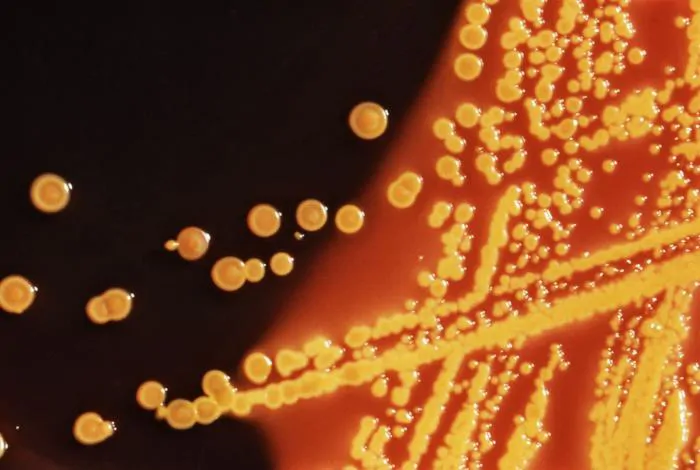 The goal is therefore to determine whether Livestock can serve as a source for the spread of resistant bacteria among humans, in order to implement effective management and control measures before drug-resistant infections become widespread. The bacteria Escherichia coli, recently classified as a major threat by the World Health Organization (WHO), is a prime example due to its ability to infect both human and animal populations.
The scientists therefore conducted a systematic review of the literature published on the subject between 1940 and 2016 to explore the current evidence supporting or refuting the theory that livestock are the source of E. coli resistance in humans, to examine and summarize the evidence presented on both sides, and to make recommendations for future studies aimed at providing evidence of this potential transmission route and, above all, the relative extent of this spread.
According to the findings, published in the journal *Foodborne Pathogens and Disease*, the role played by livestock species in the emergence and spread of resistant bacteria in humans is, to say the least, controversial and poorly understood. A review of the available evidence highlighted the existing controversies: 18% of the studies included in the review provide evidence of transmission from Livestock to humans, 56% suggest that transmission is likely without specifying the direction, and 26% indicate that it does not occur. And when we consider the quality of the typing tools used to support the results in one direction or the other, the confusion reaches its peak. Thus, the limitations of the methodologies employed make it impossible to draw solid conclusions about the direction of transmission. The authors therefore emphasize the need to combine genomics data analysis with systematically collected epidemiological evidence to reconstruct the patterns of antimicrobial resistance transmission between food-producing animals and humans.
This publication has the merit of sounding the alarm once again and suggests avenues for finally working on a more solid foundation: one built on the systematic and high-quality collection of information from patients, as well as the analysis of high-resolution genomics data. This is the primary prerequisite for establishing the transmission patterns of resistant E. coli bacteria. And time is of the essence!
The goal is therefore to determine whether Livestock can serve as a source for the spread of resistant bacteria among humans, in order to implement effective management and control measures before drug-resistant infections become widespread. The bacteria Escherichia coli, recently classified as a major threat by the World Health Organization (WHO), is a prime example due to its ability to infect both human and animal populations.
The scientists therefore conducted a systematic review of the literature published on the subject between 1940 and 2016 to explore the current evidence supporting or refuting the theory that livestock are the source of E. coli resistance in humans, to examine and summarize the evidence presented on both sides, and to make recommendations for future studies aimed at providing evidence of this potential transmission route and, above all, the relative extent of this spread.
According to the findings, published in the journal *Foodborne Pathogens and Disease*, the role played by livestock species in the emergence and spread of resistant bacteria in humans is, to say the least, controversial and poorly understood. A review of the available evidence highlighted the existing controversies: 18% of the studies included in the review provide evidence of transmission from Livestock to humans, 56% suggest that transmission is likely without specifying the direction, and 26% indicate that it does not occur. And when we consider the quality of the typing tools used to support the results in one direction or the other, the confusion reaches its peak. Thus, the limitations of the methodologies employed make it impossible to draw solid conclusions about the direction of transmission. The authors therefore emphasize the need to combine genomics data analysis with systematically collected epidemiological evidence to reconstruct the patterns of antimicrobial resistance transmission between food-producing animals and humans.
This publication has the merit of sounding the alarm once again and suggests avenues for finally working on a more solid foundation: one built on the systematic and high-quality collection of information from patients, as well as the analysis of high-resolution genomics data. This is the primary prerequisite for establishing the transmission patterns of resistant E. coli bacteria. And time is of the essence!
Read next
Antimicrobial resistance
10/08/2026
Zoonotic bacterial pathogens: antimicrobial resistance turns repeated animal exposure into a One Health threat
Antimicrobial resistance
10/06/2026
A study has ranked the antimicrobial-resistant organisms considered most important at the human–companion animal interface
Antimicrobial resistance
09/27/2026
Commentaires
No comments yet.
Sign in to comment