

Back to articles
Antimicrobial resistance
Animal health
Animal Trade
Antibiotic therapy
Antibiotics
Antimicrobial resistance
Biosecurity
One Health
Proper Use of Antibiotics
Veterinary medicinal product
Antimicrobial Resistance: Europeans Remain Largely Uninformed About the Proper Use of Antibiotics
V
Vetitude
06/17/2016
3 min read
0 comments
Share:
As part of its strategy to combat antimicrobial resistance, the European Commission published a Eurobarometer* survey on June 16, 2016, showing a 6% decrease in antibiotic use in most member states. At the same time, however, the survey reveals low public awareness of the therapeutic effects of these medications, underscoring the need to step up EU action through a comprehensive “One Health” approach to reduce this consumption more effectively.
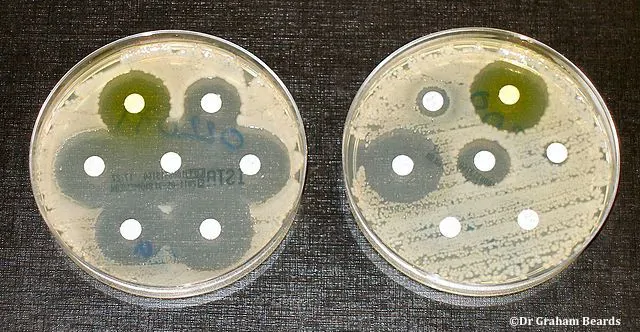 This extensive thematic study on the use and perception of antibiotics in the EU was conducted among 27,969 citizens from the 28 Member States, including 1,045 French citizens, from April 9 to 18, 2016. The results, published on June 16, show a 6% decrease in antibiotic consumption over the past few years, although in some countries consumption continues to rise. More than one-third of Europeans had taken antibiotics in the 12 months prior to the survey. Nevertheless, their knowledge of these medications remains limited, as a majority of them (57%) are unaware that antibiotics are ineffective against viruses. This has obvious consequences for the use of these medications. The survey thus demonstrates that there is a direct link between better public information and reduced consumption.
This lack of awareness should prompt the European Union to step up its efforts to combat antimicrobial resistance more effectively. This requires intensifying research to develop new drugs and alternatives to antibiotic therapy, as well as providing stronger support for the action plans implemented by Member States, using the EU’s expertise and tools within a “One Health” approach that encompasses both human and animal health. Thus, the European Action Plan on antimicrobial resistance, launched by Brussels in 2011, is currently being reassessed by the various health ministers.
This extensive thematic study on the use and perception of antibiotics in the EU was conducted among 27,969 citizens from the 28 Member States, including 1,045 French citizens, from April 9 to 18, 2016. The results, published on June 16, show a 6% decrease in antibiotic consumption over the past few years, although in some countries consumption continues to rise. More than one-third of Europeans had taken antibiotics in the 12 months prior to the survey. Nevertheless, their knowledge of these medications remains limited, as a majority of them (57%) are unaware that antibiotics are ineffective against viruses. This has obvious consequences for the use of these medications. The survey thus demonstrates that there is a direct link between better public information and reduced consumption.
This lack of awareness should prompt the European Union to step up its efforts to combat antimicrobial resistance more effectively. This requires intensifying research to develop new drugs and alternatives to antibiotic therapy, as well as providing stronger support for the action plans implemented by Member States, using the EU’s expertise and tools within a “One Health” approach that encompasses both human and animal health. Thus, the European Action Plan on antimicrobial resistance, launched by Brussels in 2011, is currently being reassessed by the various health ministers.
A Global Fight
Driven in particular by the excessive and inappropriate use of antimicrobials in humans and animals, as well as poor infection control practices, antimicrobial resistance poses a serious threat to animal and human health worldwide, claiming 25,000 lives per year in Europe alone. Antimicrobial resistance spreads through international tourism, the transfer of patients between healthcare facilities—both within and outside Europe—and through the trade in animals and food. It leads to increased healthcare costs, prolonged hospital stays, treatment failures for infectious diseases, and a significant number of deaths. Global antibiotic consumption in human medicine increased by nearly 40% between 2000 and 2010, according to a study conducted in the United Kingdom. In the United States, more than 2 million people contract an infection with antibiotic resistance each year, resulting in more than 23,000 deaths (2009–2011 data from the Centers for Disease Control and Prevention). In the European Union, some 25,000 people die each year from infections caused by antibiotic-resistant bacteria (2007 figures). Infections caused by these multidrug-resistant bacteria result in additional healthcare costs and productivity losses estimated at 1.5 billion euros per year. If the current trend continues, 300 million people worldwide will die prematurely as a result of this phenomenon over the next 35 years. Faced with this complex situation, which has global economic and societal implications, countries and public administrations cannot act alone. A comprehensive “One Health” approach is needed, involving numerous sectors (public health, animal health, food safety, biosecurity, the environment, research and innovation, international cooperation, etc.). * Special Eurobarometer 445 on antibiotic resistance, a face-to-face survey conducted from April 9 to 18, 2016, published on June 16, 2016, http://ec.europa.eu/dgs/health_food-safety/amr/docs/eb445_amr_fr_fr.pdf http://ec.europa.eu/dgs/health_food-safety/amr/docs/eb445_amr_generalfactsheet_en.pdfRead next
Antimicrobial resistance
10/08/2026
Zoonotic bacterial pathogens: antimicrobial resistance turns repeated animal exposure into a One Health threat
Antimicrobial resistance
10/06/2026
A study has ranked the antimicrobial-resistant organisms considered most important at the human–companion animal interface
Antimicrobial resistance
09/27/2026
Commentaires
No comments yet.
Sign in to comment