

Back to articles
Antimicrobial Resistance: An Article Sparks Panic Among German Dog Owners
B
bertrand-neveux
03/11/2015
2 min read
0 comments
Share:
Watch out for your dog! As soon as your pet goes outside, it can pick up resistant bacteria—and it’s even worse if you take it to the vet! That, in a nutshell, is what a journalist wrote in the Frankfurter Allgemeine Zeitung. It all started with a misinterpreted report on pathogen resistance in pets and Livestock, written by the Federal Office for Consumer Protection and Food Safety (BVL).
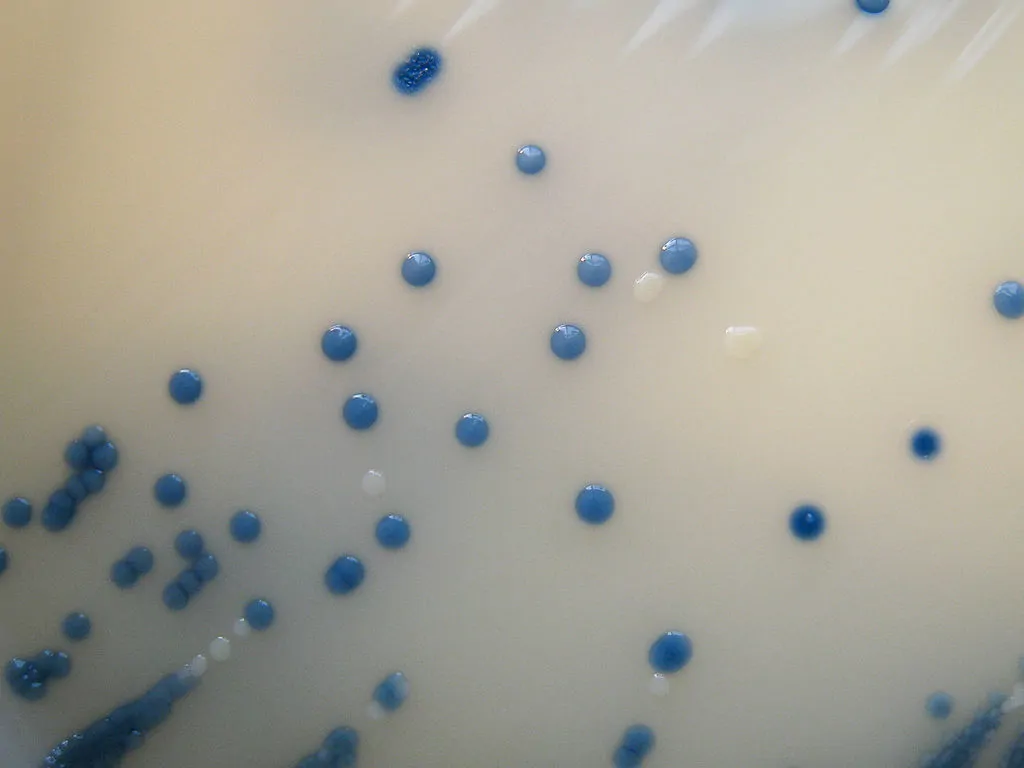 The veterinary profession in Germany was quick to respond, denouncing generalizations and information that was distorted, deliberately alarmist, and incomprehensible, according to Dr
. Hans Joachim Goetz, president of the Federal Association of Practising Veterinarians (BpT).
It must be said that the article pulls no punches: any pet poses a danger and can cause diseases (zoonoses) that cannot be treated. Hans Joachim Goetz fears that, as a result of such a portrayal, some animal owners will stop seeking veterinary care for their animals out of fear of visiting a veterinarian.
Professionals are up in arms over what everyone recognizes as misinformation.
Several figures have been taken out of context and mixed together, leading to erroneous conclusions. For example, it is claimed that 55% of the dogs studied—out of a sample of 2,500—were infected with methicillin-resistant Staphylococcus aureus
(MRSA). However, the study examined only 25 samples from skin infections. And MRSA was detected in only 14 of them. The author of the report even concludes that the sample size is too small to track trends in antimicrobial resistance. This is a far cry from the interpretation presented in the news article on the state of antimicrobial resistance.
The veterinary profession in Germany is currently trying to identify which lobby influenced the article’s editorial line to create an unwarranted uproar among pet owners.
Nevertheless, while MRSA can be transmitted from animals to humans and vice versa, the two main prevention strategies remain raising public awareness of proper hygiene measures and the prudent, prescription-based use of antibiotics, the BVL notes.
The veterinary profession in Germany was quick to respond, denouncing generalizations and information that was distorted, deliberately alarmist, and incomprehensible, according to Dr
. Hans Joachim Goetz, president of the Federal Association of Practising Veterinarians (BpT).
It must be said that the article pulls no punches: any pet poses a danger and can cause diseases (zoonoses) that cannot be treated. Hans Joachim Goetz fears that, as a result of such a portrayal, some animal owners will stop seeking veterinary care for their animals out of fear of visiting a veterinarian.
Professionals are up in arms over what everyone recognizes as misinformation.
Several figures have been taken out of context and mixed together, leading to erroneous conclusions. For example, it is claimed that 55% of the dogs studied—out of a sample of 2,500—were infected with methicillin-resistant Staphylococcus aureus
(MRSA). However, the study examined only 25 samples from skin infections. And MRSA was detected in only 14 of them. The author of the report even concludes that the sample size is too small to track trends in antimicrobial resistance. This is a far cry from the interpretation presented in the news article on the state of antimicrobial resistance.
The veterinary profession in Germany is currently trying to identify which lobby influenced the article’s editorial line to create an unwarranted uproar among pet owners.
Nevertheless, while MRSA can be transmitted from animals to humans and vice versa, the two main prevention strategies remain raising public awareness of proper hygiene measures and the prudent, prescription-based use of antibiotics, the BVL notes.
Read next
Antimicrobial resistance
10/08/2026
Zoonotic bacterial pathogens: antimicrobial resistance turns repeated animal exposure into a One Health threat
Antimicrobial resistance
10/06/2026
A study has ranked the antimicrobial-resistant organisms considered most important at the human–companion animal interface
Antimicrobial resistance
09/27/2026
Commentaires
No comments yet.
Sign in to comment