

Back to articles
Antimicrobial resistance
ANSES
Antibiotics
Antimicrobial resistance
Carbapenems
Cephalosporins
Colistin
Fluoroquinolones
Veterinary medicine
Antibiotics: ANSES Issues a New Opinion on the Use of Colistin in Veterinary Medicine
V
Vetitude
10/26/2016
4 min read
0 comments
Share:
In its new report on colistin*, the French Agency for Food, Environmental and Occupational Health & Safety (ANSES) recommends not classifying this molecule as a critically important antibiotic, but rather reducing its use by half over a three-year period. This new risk analysis takes into account recent discoveries regarding the first transferable resistance mechanism to colistin (the mcr-1 and mcr-2 genes). Although it remains rare (less than 1% in both animal health and human health), this plasmid-mediated resistance is a cause for concern.
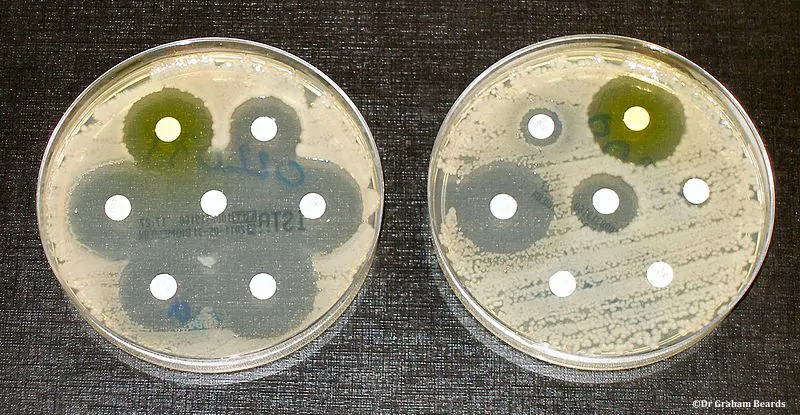 According to currently available data, the prevalence of colistin resistance in animals remains generally low within the European Union, as it does in human medicine, where the prevalence of the mcr-1 gene is less than 1%. However, this gene has already been identified in thirty countries across five continents in both veterinary and human isolates.
In human medicine, colistin is an antibiotic that is used less frequently than other drugs but remains one of the last resorts for severe infections caused by carbapenem-resistant Enterobacteriaceae.
In veterinary medicine, it is used for both curative and preventive treatment, primarily in young animals. It is mainly indicated for treating gastrointestinal infections in pigs, rabbits, poultry, cattle, sheep, and goats
. Colistin is also used in laying hens and dairy ruminants. In addition, polymyxin B is one of the essential substances for the treatment of equines, and colistin-based eye and ear drops are also available for pets.
In France, for the year 2015, the highest levels of polypeptide use (primarily colistin) were observed in the swine sector (approximately 50% of the total tonnage of this class of antibiotics), the poultry sector (30%), and the cattle sector (10%). However, over a seven-year period, across all species, a reduction of more than 50% in tonnage was recorded for the polypeptide family (66.4 metric tons in 2009 versus
30.6 metric tons in 2015). According to ANSES, while colistin is one of the most widely used antibiotics in France, a sharp decline in its use in animal production sectors has been observed, particularly over the past five years, with 2014–2015 seeing the lowest recorded exposure in swine since 1999.
Data on colistin resistance in the European Union confirm a low prevalence in animal production sectors. However, the resistance mechanism has been circulating in livestock operations for several years, and at a higher level in the turkey sector. Furthermore, since 2006, a significant increase in the prevalence of the mcr-1 gene has been observed in calves (up to 21%). The presence of this gene within the same plasmids in strains isolated from humans, animals, and the environment raises concerns about potential transmission from animals to humans.
In France, following the decline in widespread oral use since 2010, additional restrictive measures have been implemented
(revocation of 12 marketing authorizations, prohibition of prophylactic use, reduction of treatment duration to 7 days, and harmonization of dosages and prescribing information). Since the effectiveness of all these recently adopted risk management measures has not yet been assessed, ANSES believes it is premature to implement further measures in the meantime. The agency is particularly concerned that overly strict restrictions on the use of colistin in veterinary medicine could lead to a shift toward other critically important classes of antibiotics (fluoroquinolones, C3G-C4G cephalosporins) or toward zinc oxide (which is a cause for environmental concern).
Ultimately, ANSES therefore recommends:
According to currently available data, the prevalence of colistin resistance in animals remains generally low within the European Union, as it does in human medicine, where the prevalence of the mcr-1 gene is less than 1%. However, this gene has already been identified in thirty countries across five continents in both veterinary and human isolates.
In human medicine, colistin is an antibiotic that is used less frequently than other drugs but remains one of the last resorts for severe infections caused by carbapenem-resistant Enterobacteriaceae.
In veterinary medicine, it is used for both curative and preventive treatment, primarily in young animals. It is mainly indicated for treating gastrointestinal infections in pigs, rabbits, poultry, cattle, sheep, and goats
. Colistin is also used in laying hens and dairy ruminants. In addition, polymyxin B is one of the essential substances for the treatment of equines, and colistin-based eye and ear drops are also available for pets.
In France, for the year 2015, the highest levels of polypeptide use (primarily colistin) were observed in the swine sector (approximately 50% of the total tonnage of this class of antibiotics), the poultry sector (30%), and the cattle sector (10%). However, over a seven-year period, across all species, a reduction of more than 50% in tonnage was recorded for the polypeptide family (66.4 metric tons in 2009 versus
30.6 metric tons in 2015). According to ANSES, while colistin is one of the most widely used antibiotics in France, a sharp decline in its use in animal production sectors has been observed, particularly over the past five years, with 2014–2015 seeing the lowest recorded exposure in swine since 1999.
Data on colistin resistance in the European Union confirm a low prevalence in animal production sectors. However, the resistance mechanism has been circulating in livestock operations for several years, and at a higher level in the turkey sector. Furthermore, since 2006, a significant increase in the prevalence of the mcr-1 gene has been observed in calves (up to 21%). The presence of this gene within the same plasmids in strains isolated from humans, animals, and the environment raises concerns about potential transmission from animals to humans.
In France, following the decline in widespread oral use since 2010, additional restrictive measures have been implemented
(revocation of 12 marketing authorizations, prohibition of prophylactic use, reduction of treatment duration to 7 days, and harmonization of dosages and prescribing information). Since the effectiveness of all these recently adopted risk management measures has not yet been assessed, ANSES believes it is premature to implement further measures in the meantime. The agency is particularly concerned that overly strict restrictions on the use of colistin in veterinary medicine could lead to a shift toward other critically important classes of antibiotics (fluoroquinolones, C3G-C4G cephalosporins) or toward zinc oxide (which is a cause for environmental concern).
Ultimately, ANSES therefore recommends:
- not to include colistin on the list of critically important antibiotics (AIC);
- to strengthen monitoring of colistin use and set a target for use reduction (ALEA) of 50% over three years;
- to implement close monitoring of resistance to detect early any warning signs that could alter the benefit-risk analysis of colistin use in veterinary medicine;
- to revise this opinion based on scientific findings and surveillance data, in order to reassess the risk of colistin use in veterinary medicine and to classify it accordingly;
- to continue scientific research aimed at understanding the mechanisms of resistance and resistance transmission associated with colistin;
- to develop rapid and reliable diagnostic tests to identify the susceptibility of pathogens to colistin;
- to continue research into alternative treatments to antibiotics, particularly colistin, for treatment and/or metaphylactic prophylaxis in livestock;
- to tailor the duration of treatment to the animal’s clinical condition and to reduce its duration to the strict minimum necessary to achieve the therapeutic goal.
Read next
Antimicrobial resistance
10/08/2026
Zoonotic bacterial pathogens: antimicrobial resistance turns repeated animal exposure into a One Health threat
Antimicrobial resistance
10/06/2026
A study has ranked the antimicrobial-resistant organisms considered most important at the human–companion animal interface
Antimicrobial resistance
09/27/2026
Commentaires
No comments yet.
Sign in to comment