

Back to articles
Antimicrobial resistance
ANMV
Antibiotics
Antimicrobial resistance
Antimicrobials
Bacteria
Linezolid
One Health
Salmonella
WHO
Zoonosis
Antibiotic Resistance in Animals: What Are the Risks and Consequences?
MR
Mia Rozenbaum
04/15/2021
9 min read
0 comments
Share:
Antibiotic resistance knows no borders. It is a phenomenon that affects human health, but also impacts animal health and the environment. It is therefore important to combat antimicrobial resistance on all fronts. Antibiotics are not a default treatment—not even for veterinarians!
Humans have been facing bacterial pandemics since the dawn of time. Long powerless against these microscopic threats, we have only recently discovered tools to combat these pathogens. In 1928, Alexander Fleming accidentally discovered penicillin, which is capable of defeating bacterial infections. Even today, it remains one of the many antibiotics that protect human populations against microbes and have revolutionized modern medicine. But this protection is waning. Not only are new antibiotic compounds becoming increasingly rare (the last discovery dates back more than thirty years), but bacteria are evolving to counter the weapons we already have at our disposal.
The Threat of Resistant Bacteria
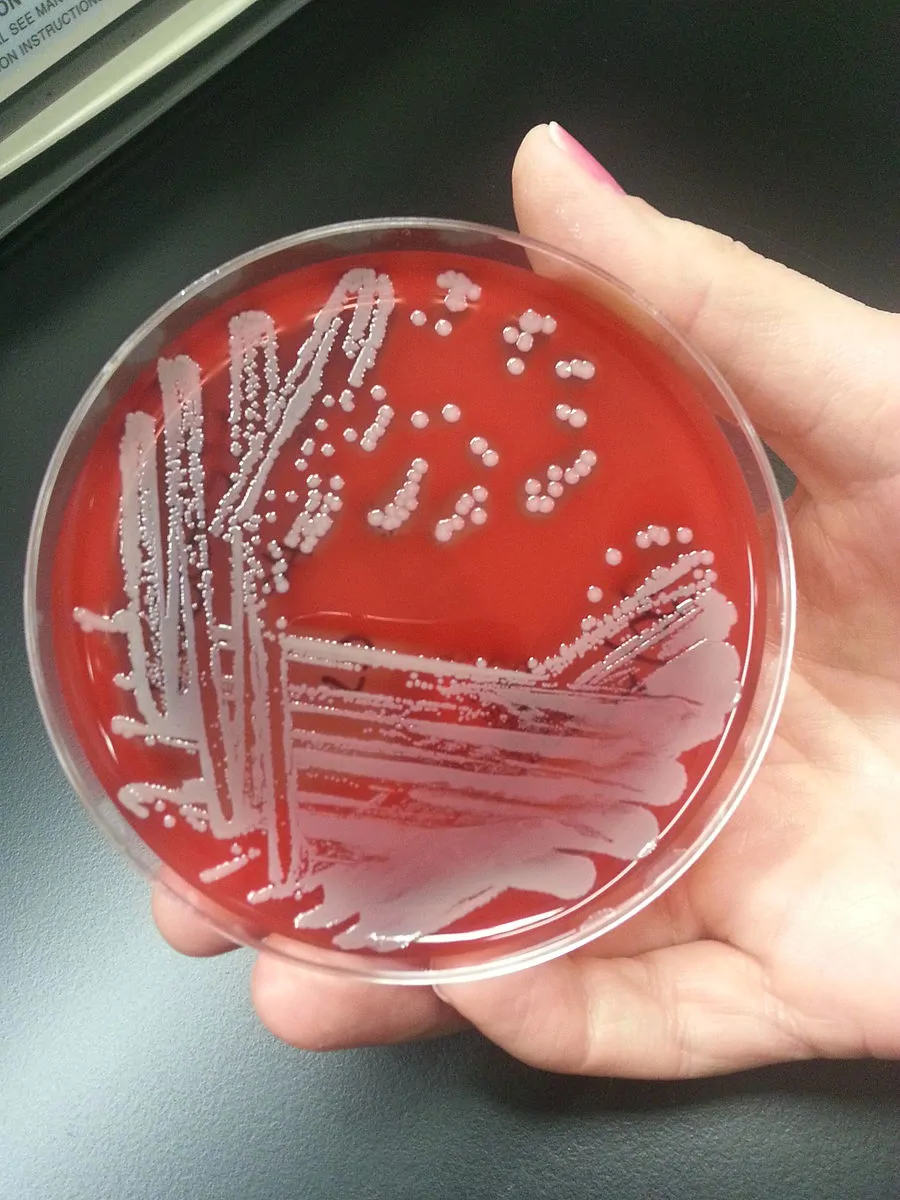
Over the past century, the excessive or inappropriate use of antibiotics has led to the development of resistance in bacteria. And the more these drugs are used inappropriately, the faster this resistance is likely to develop. Some antibiotics have even become completely ineffective against specific bacterial strains. As serious as the sudden outbreak of a deadly disease, this lack of effective antibiotics poses a threat to global health security. Multidrug-resistant pathogens are responsible for approximately 700,000 deaths per year worldwide, including 25,000 in the European Union and 5,500 in France. And this trend is not about to reverse. In eighteen years, the proportion of bacteria that no longer respond to treatment has tripled. At the rate at which multidrug-resistant bacteria are developing, it is possible that within a few years, humans will find themselves defenseless against diseases that can be treated quickly today. By 2050, this scourge could claim more than ten million lives. To prevent the worst-case scenario, coordinated international policies have been implemented to reduce strains of antimicrobial resistance, combat the misuse of antimicrobials, and develop alternative solutions.Combating Resistance on All Fronts
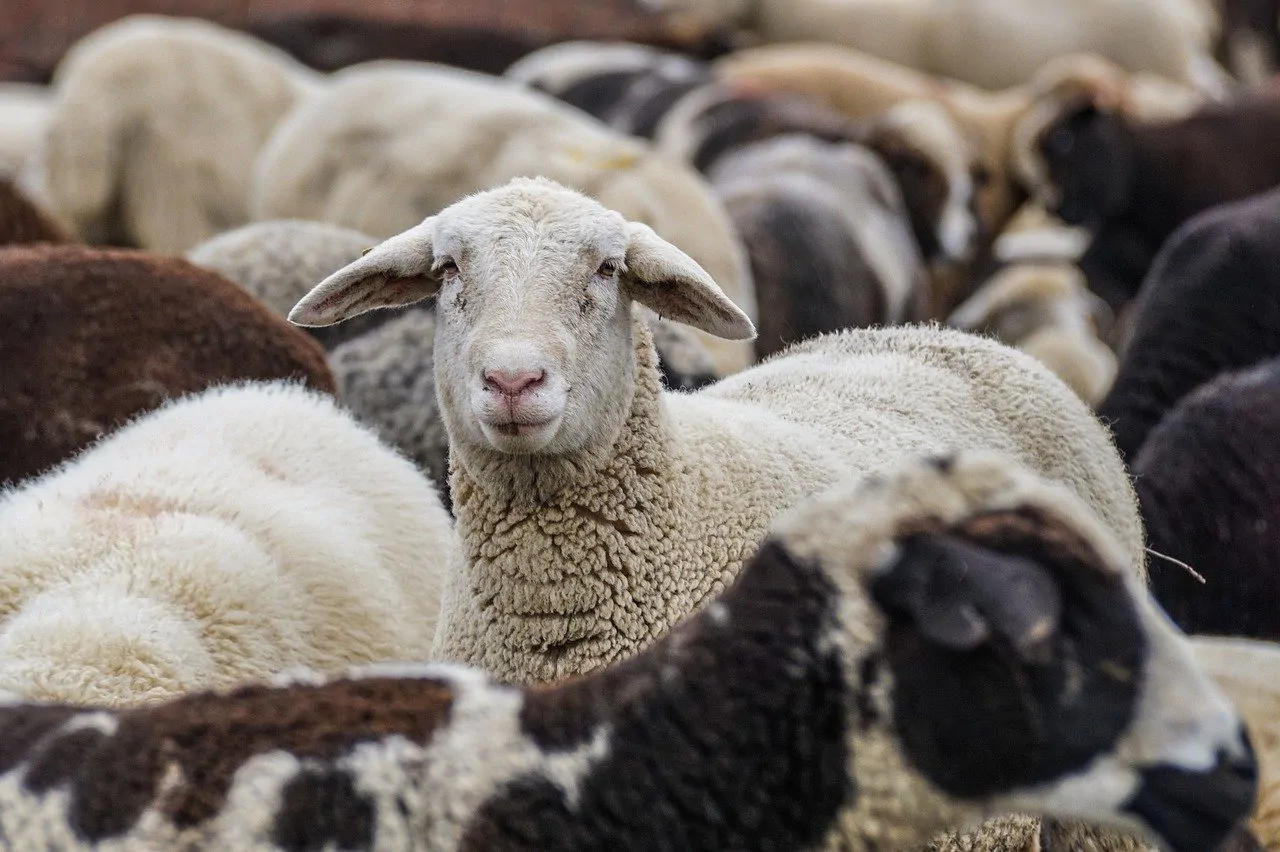
These efforts are not limited to human health. Everyone who benefits from antibiotics plays a role in the emergence of resistant strains. Strong and sustained action across all sectors is therefore essential to counter the wave of antimicrobial resistance and protect the health of the world’s population. Unfortunately, efforts have too often focused on the misuse of antimicrobials in human infections. But through its many interactions with the environment, human activity contributes to the spread of antimicrobial resistance in water, soil, and food. Animals, plants, and the environment—which are often overlooked—unwittingly contribute to the spread of antibiotic resistance. It is important to remember that bacteria often do not limit themselves to infecting a single species. Many zoonotic bacteria can thus pass from humans to animals and vice versa. Furthermore, different bacteria can transfer antibiotic resistance genes to one another. This is especially true since many antibiotics that are important for human health are also used in animals. In some countries, nearly 80% of the antibiotics important for human medicine are also used in veterinary medicine. Animal health is therefore a key stakeholder in the equation, as American researchers at the Johns Hopkins Bloomberg School of Public Health recently demonstrated. DNA sequencing of bacteria found in pigs and humans in an area with a high concentration of intensive farming in eastern North Carolina, in the United States, reveals a significant spread of multidrug-resistant Staphylococcus aureus strains among pigs, farmers and their families, and local residents. But this emerging threat to public health is only the tip of the iceberg. Livestock actually consume more antibiotics than humans do. Farmers use them to treat their animals, but that’s not all. For economic and practical reasons, antibiotics are often administered in prophylaxis—to prevent diseases before they even appear—and to promote livestock growth. The high density of animals on farms (which consequently increases the risk of contagion) partly explains this high consumption, similar to the difference between hospital care and outpatient care. And driven by the growing demand for products of animal origin—most of which come from intensive farming operations that pay little attention to the responsible use of antibiotics—the volume of antibiotics used in animals continues to rise worldwide. This overconsumption has direct negative effects. As early as the 1950s, for example, the administration of antibiotics to livestock is believed to have made the Salmonella bacteria resistant to ampicillin—one of the most widely used broad-spectrum antibiotics in the world—even before it was marketed for human use.Antibiotics Should Not Be Used Routinely, Even in Animals
Limiting the use of antibiotics in animals raised for human consumption would, however, be sufficient to reduce the presence of resistant bacteria in these animals by nearly 39%. The WHO strongly recommends a global use reduction for all classes of antibiotics important for human medicine in Livestock, and in particular the discontinuation of their use as growth promoters and for preventive purposes in the absence of a declared disease. Antibiotics administered to animals should be selected from those identified by the WHO as “least important” for human health, rather than from those classified as “critically important, highest priority.” Furthermore, healthy animals should receive antibiotics only to prevent a disease diagnosed in other animals in the same herd, the same farm, or the same population in the case of fish. Many countries have already taken steps to reduce the use of antibiotics in Livestock. Since 2006, for example, the European Union has banned the use of antibiotics to promote animal growth. To replace these drugs in the prevention of animal diseases, proposals include improving hygiene, using vaccination, and modifying livestock management practices. In November 2009, a national committee for the responsible use of antibiotics was established to coordinate efforts in the veterinary field. More recently, the European Parliament called for “further efforts to combat antimicrobial resistance in human medicine,” emphasizing in particular that the focus must be on “synergy with measures designed to combat antimicrobial resistance in veterinary medicine, animal feed, and agricultural crops.” Pigs and poultry are the animals most affected by resistant strains and are the focus of international efforts, as they are also raised in the largest numbers (often under suboptimal conditions), particularly in emerging economies (China, India, Brazil, Turkey, Iran, Kenya). In these countries, where demand is rising, agriculture and livestock farming are rapidly becoming industrialized, and professionals are no longer being trained to treat their animals, which creates a heavy reliance on the use of medications. Strong and sustainable action, with a focus on all sectors, is essential to counter the wave of antimicrobial resistance and protect the health of the world’s population. Farmers and veterinarians are therefore just as much a part of the solution as doctors.All affected animals, domestic and wild animals
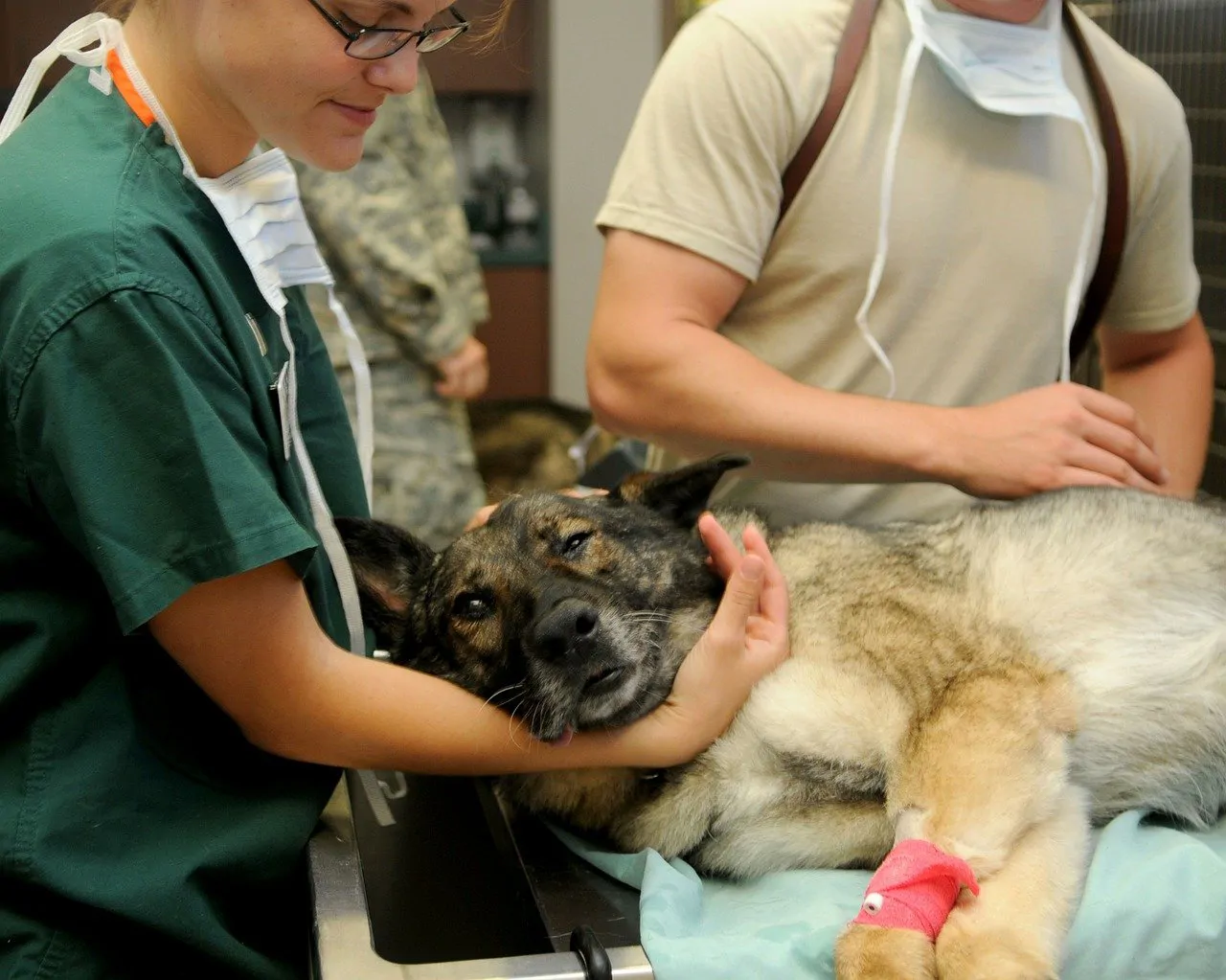
Resistant bacteria can emerge in chickens and cattle, but also in rats or even less obvious hosts such as spiders or snakes, which serve as reservoirs for virulent zoonotic bacteria like Salmonella. The issue of pets inevitably arises in this context. However, their role in the transmission of antibiotic-resistant bacteria remains poorly documented. To date, their actual impact on the development of antibiotic resistance has not been quantified. In fact, there are very few studies on the use of antimicrobials in canine or feline veterinary medicine today. What is certain is that, despite differences between humans and animals, the bacteria are the same, as are the antimicrobials used. It would therefore not be surprising if pets in our homes also contribute to the spread of antibiotic resistance. In particular, British researchers discovered a gene in an animal hospital that allows bacteria to be highly resistant to linezolid, an antibiotic that doctors use to treat serious infections in humans. The next step, therefore, is to quantify the actual impact of inappropriate or overprescribing in private veterinary medicine. The DYASPEO project (dynamics of the spread, persistence, and evolution of AMR among humans, animals, and their environment) will draw in particular on an epidemiological study conducted among the owners of 500 dogs over a six-year period. The results could lead to changes in strategies for controlling the transmission of antimicrobial resistance at the European level, to better account for the role of pets.Awareness Already Exists in France
Without waiting for the results of these animal studies, awareness campaigns have already mobilized French authorities. According to the French Agency for Food, Environmental and Occupational Health & Safety (ANSES), antibiotic use in animals in France fell by nearly half between 2009 and 2019. In 2005, 759 metric tons of antibiotics were used in human medicine versus 1,320 metric tons in veterinary medicine, whereas in 2018, 728 metric tons of antibiotics were used in human health and 471 metric tons in animal health in France. And in 2019, 422 metric tons of antibiotics were used in animal populations, a further 10.5% decrease from 2018. “Compared to 2011, there has been a 45.3% decrease in antibiotic treatment pressure, with a steady decline,” says Jean-Pierre Orand, director of the French Agency for Veterinary Medicinal Products (ANMV). Between 2018 and 2019, exposure decreased significantly for cattle (-9.9%), pigs (-16.4%), and poultry (-12.8%), the three species with the highest consumption by volume. In contrast, rabbits (+1.5%) and domestic carnivores—primarily dogs and cats (+2.1%)—saw a slight increase in their exposure. Although tonnage figures do not reflect actual antibiotic consumption—since the sizes of the treated populations differ and the quantities of each molecule used in humans and animals are not the same— the figures show a clear decrease in antibiotic use in veterinary medicine, but not in human medicine. The levels of antibiotic use observed in human health in France are still 30% above the European average. However, overall antibiotic consumption, expressed in defined daily doses (DDD), has stabilized after a 15% decline from 2009 to 2018. While we are generally on the right track, we must not let our guard down. Indeed, antibiotic resistance knows no borders. While best practices in France are beginning to bear fruit, these efforts must be scaled up globally, among both human and animal populations. It is therefore essential to continue promoting and expanding initiatives that support the proper use of antibiotics among all relevant stakeholders: citizens, patients, human health and animal health professionals, and policymakers. Antimicrobial resistance is a global priority that must be addressed through collaboration under the “One Health” framework. Humans, plants, the environment, and animals all play a role in this major health crisis, and all of its consequences must be taken into account.Read next
Antimicrobial resistance
10/08/2026
Zoonotic bacterial pathogens: antimicrobial resistance turns repeated animal exposure into a One Health threat
Antimicrobial resistance
10/06/2026
A study has ranked the antimicrobial-resistant organisms considered most important at the human–companion animal interface
Antimicrobial resistance
09/27/2026
Commentaires
No comments yet.
Sign in to comment