

Back to articles
Wildlife: Large Carnivores Are Returning to Europe
B
bertrand-neveux
03/13/2015
3 min read
0 comments
Share:
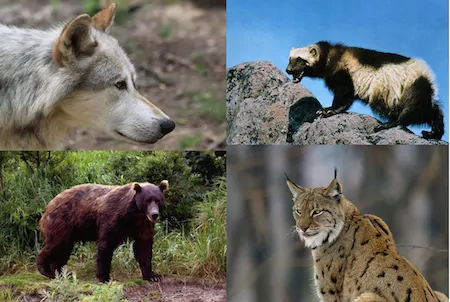
A recent study* shows that wolves, bears, lynx, and wolverines are once again part of Europe’s wildlife. At least one of these four species is now present in most countries on the continent. According to the authors, this is proof that humans and wild predators can coexist. It marks a success for the pan-European conservation strategy.
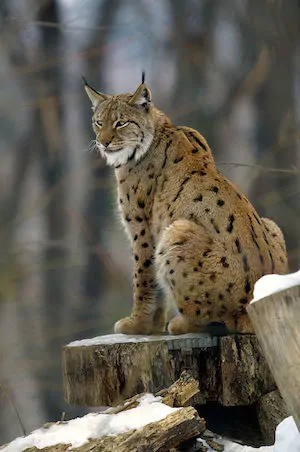 Partially funded by the European Union, the study gathered information on the numbers and distribution of populations of brown bears (Ursus arctos
), Eurasian lynx (Lynx lynx
), gray wolves (Canis lupus
), and wolverines (Gulo gulo
) from all European countries except Belarus, Russia, Ukraine, and small countries such as Andorra. The data comes from expert groups such as the Large Carnivore Initiative for Europe
(LCIE).
In total, these four species occupy an area of 1,530,000 km², or one-third of continental Europe. Most populations have now recovered from the historically low levels recorded during the 1950s and 1970s, and none are in decline.
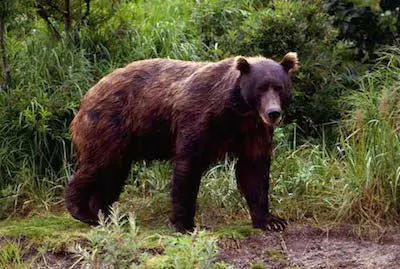
> Brown bears
are found in 22 countries. There are 17,000 individuals spread across ten distinct populations
. While most are relatively stable or showing a slight increase, a few remain at critically low levels. For example, only 45 to 50 bears live in the Alps, compared to 7,200 in the Carpathians.
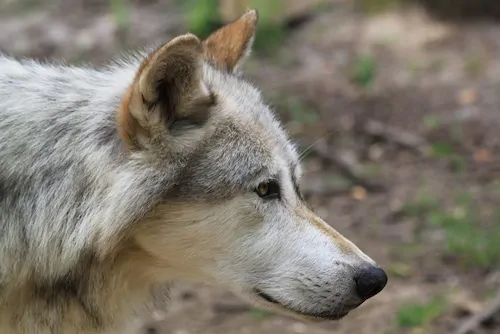
> Wolves
live in 28 countries. Approximately 12,000 individuals make up ten populations
. Most of these populations are growing, except for the Spanish population, which is on the brink of extinction with only six wolves recorded in 2012.
> Lynx
are found in 23 countries and number 9,000 individuals. Ten of the 11 populations are stable
, except for the one in the Balkans, which is in decline.
> Wolverines,
found only in Finland, Norway, and Sweden, number approximately 1,250 individuals across two
growing populations
.
Partially funded by the European Union, the study gathered information on the numbers and distribution of populations of brown bears (Ursus arctos
), Eurasian lynx (Lynx lynx
), gray wolves (Canis lupus
), and wolverines (Gulo gulo
) from all European countries except Belarus, Russia, Ukraine, and small countries such as Andorra. The data comes from expert groups such as the Large Carnivore Initiative for Europe
(LCIE).
In total, these four species occupy an area of 1,530,000 km², or one-third of continental Europe. Most populations have now recovered from the historically low levels recorded during the 1950s and 1970s, and none are in decline.
> Brown bears
are found in 22 countries. There are 17,000 individuals spread across ten distinct populations
. While most are relatively stable or showing a slight increase, a few remain at critically low levels. For example, only 45 to 50 bears live in the Alps, compared to 7,200 in the Carpathians.
> Wolves
live in 28 countries. Approximately 12,000 individuals make up ten populations
. Most of these populations are growing, except for the Spanish population, which is on the brink of extinction with only six wolves recorded in 2012.
> Lynx
are found in 23 countries and number 9,000 individuals. Ten of the 11 populations are stable
, except for the one in the Balkans, which is in decline.
> Wolverines,
found only in Finland, Norway, and Sweden, number approximately 1,250 individuals across two
growing populations
.
 These large carnivores represent the success of conservation policies implemented in Europe. All live in areas inhabited by humans, and primarily outside protected areas.
This model contrasts with the approach taken in other regions of the world, such as North America and southern Africa, where predators are kept separate from human populations within protected—or even fenced—areas.
In Europe, protected areas are too small to support viable populations. However, the study shows that the coexistence model works on a continental scale. The four species have adapted to living alongside humans.
In fact, there are now twice as many wolves in Europe as in North America, even though Europe is half the size and has half the population.
These large carnivores represent the success of conservation policies implemented in Europe. All live in areas inhabited by humans, and primarily outside protected areas.
This model contrasts with the approach taken in other regions of the world, such as North America and southern Africa, where predators are kept separate from human populations within protected—or even fenced—areas.
In Europe, protected areas are too small to support viable populations. However, the study shows that the coexistence model works on a continental scale. The four species have adapted to living alongside humans.
In fact, there are now twice as many wolves in Europe as in North America, even though Europe is half the size and has half the population.
 The success of the coexistence strategy is also due in part to humans’ ability to readjust to living with these carnivores. It has been necessary to return to traditional animal protection measures, such as guard dogs and nighttime enclosures, while adding new techniques such as electric fences.
Furthermore, it is worth highlighting the contribution of pan-European legislation, which has protected large carnivores, notably the Council of Europe’s Bern Convention** and the European Union’s Habitats Directive.
* G. Chapron et al. “Recovery of large carnivores in Europe’s modern human-dominated landscapes.” 2014, Science
346 (6216), pp. 1517–1519.
** Convention on the Conservation of European Wildlife and Natural Habitats.
The success of the coexistence strategy is also due in part to humans’ ability to readjust to living with these carnivores. It has been necessary to return to traditional animal protection measures, such as guard dogs and nighttime enclosures, while adding new techniques such as electric fences.
Furthermore, it is worth highlighting the contribution of pan-European legislation, which has protected large carnivores, notably the Council of Europe’s Bern Convention** and the European Union’s Habitats Directive.
* G. Chapron et al. “Recovery of large carnivores in Europe’s modern human-dominated landscapes.” 2014, Science
346 (6216), pp. 1517–1519.
** Convention on the Conservation of European Wildlife and Natural Habitats.
Read next
Research & Diagnostics
10/09/2026
WHO sets new diagnostic targets for Echinococcus granulosus in humans, dogs and sheep
Research & Diagnostics
10/09/2026
Nipah virus in wastewater: promising for early warning?
Research & Diagnostics
10/01/2026
Commentaires
No comments yet.
Sign in to comment