

Back to articles
Research & Diagnostics
Animal owners
Best Practices for Vaccination
Canine Veterinarian
Cat Breeder
Cat Diseases
Cat owner
Cat Vaccinations
Diseases in Dogs
Dog breeder
Dog owner
Dog Vaccinations
Kitten
Pet owner
Pets
Practising veterinarian
Primary vaccination
Puppy
Rabies Vaccination
Vaccination
Veterinarian
Veterinary practitioner
Veterinary profession
Veterinary Vaccination
World Small Animal Veterinary Association
WSAVA
Vaccination: The World Association of Pet Veterinarians Updates Its Guidelines
V
Vetitude
01/15/2016
3 min read
0 comments
Share:
The World Small Animal Veterinary Association (WSAVA) has updated its vaccination recommendations for dogs and cats, intended not only for veterinarians but also for animal owners and breeders. WSAVA’s Canine and Feline Vaccination Guidelines* provide scientifically sound best practices for vaccination that are applicable worldwide, enabling veterinarians, in particular, to standardize vaccination protocols.
Beyond protecting each individual animal, the goal is to ensure broader herd immunity in order to minimize the risk of outbreaks of infectious diseases.
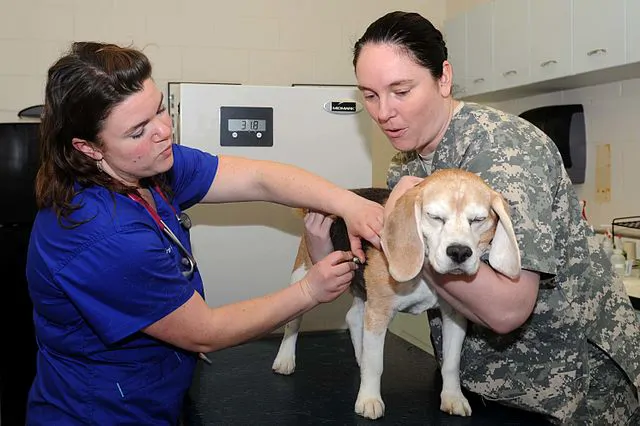 These international guidelines, first published in 2007, were updated in 2010. They contribute to the ongoing evolution, dissemination, and gradual improvement of pet vaccination practices worldwide. The 2016 version, designed to be even more useful in daily clinical practice, is based on a new, evidence-based classification system in vaccinology.
In addition, numerous answers to frequently asked questions have been added (110 FAQs in total), and fact sheets on the prevention of major diseases in dogs and cats through
vaccination have been updated.
WSAVA also published regional guidelines for Asia in 2014 and is launching a new research project this year on infectious diseases and vaccinology in Latin America.
Clearly, vaccine production and vaccination are two dynamic fields that are constantly evolving. Scientific updates, regional variations in the risk of infectious diseases, emerging pathogens, and new vaccines are just a few of the factors that necessitate regular updates to best vaccination practices. Thus, the new WSAVA recommendations include changes to the primary vaccination schedule for puppies and kittens and to booster protocols—including for dogs and cats in shelters—a review of adverse effects, an overview of new vaccines based on regional availability, and more.
In addition, significant data have been added on the role of serological tests in measuring vaccine-induced immunity on an individual basis. Thanks to improvements in these tests—and in light of animal owners’ growing concerns about the risks associated with over-vaccination—the ability to monitor the vaccine-induced humoral response during a veterinary visit is a relevant approach in clinical practice.
However, these guidelines remain recommendations for the veterinary profession. They are intended to be a reliable resource for ensuring the maintenance of rational vaccination protocols in the face of a constantly evolving vaccine market. With the exception of rabies vaccination, when required by law, canine practitioners thus retain control over the selection and use of vaccines for pets. But while veterinarians are not required to adhere to all of these guidelines, nothing prevents them from updating their knowledge by
reading this updated and expanded version.
* Compiled by the Vaccination Guidelines Group (VGG) of the World Small Animal Veterinary Association (WSAVA), Journal of Small Animal Practice, vol. 57, 2016.
http://www.wsava.org/sites/default/files/WSAVA%20Vaccination%20Guidelines%202015%20Full%20Version.pdf
These international guidelines, first published in 2007, were updated in 2010. They contribute to the ongoing evolution, dissemination, and gradual improvement of pet vaccination practices worldwide. The 2016 version, designed to be even more useful in daily clinical practice, is based on a new, evidence-based classification system in vaccinology.
In addition, numerous answers to frequently asked questions have been added (110 FAQs in total), and fact sheets on the prevention of major diseases in dogs and cats through
vaccination have been updated.
WSAVA also published regional guidelines for Asia in 2014 and is launching a new research project this year on infectious diseases and vaccinology in Latin America.
Clearly, vaccine production and vaccination are two dynamic fields that are constantly evolving. Scientific updates, regional variations in the risk of infectious diseases, emerging pathogens, and new vaccines are just a few of the factors that necessitate regular updates to best vaccination practices. Thus, the new WSAVA recommendations include changes to the primary vaccination schedule for puppies and kittens and to booster protocols—including for dogs and cats in shelters—a review of adverse effects, an overview of new vaccines based on regional availability, and more.
In addition, significant data have been added on the role of serological tests in measuring vaccine-induced immunity on an individual basis. Thanks to improvements in these tests—and in light of animal owners’ growing concerns about the risks associated with over-vaccination—the ability to monitor the vaccine-induced humoral response during a veterinary visit is a relevant approach in clinical practice.
However, these guidelines remain recommendations for the veterinary profession. They are intended to be a reliable resource for ensuring the maintenance of rational vaccination protocols in the face of a constantly evolving vaccine market. With the exception of rabies vaccination, when required by law, canine practitioners thus retain control over the selection and use of vaccines for pets. But while veterinarians are not required to adhere to all of these guidelines, nothing prevents them from updating their knowledge by
reading this updated and expanded version.
* Compiled by the Vaccination Guidelines Group (VGG) of the World Small Animal Veterinary Association (WSAVA), Journal of Small Animal Practice, vol. 57, 2016.
http://www.wsava.org/sites/default/files/WSAVA%20Vaccination%20Guidelines%202015%20Full%20Version.pdf
Read next
Research & Diagnostics
10/09/2026
WHO sets new diagnostic targets for Echinococcus granulosus in humans, dogs and sheep
Research & Diagnostics
10/09/2026
Nipah virus in wastewater: promising for early warning?
Research & Diagnostics
10/01/2026
Commentaires
No comments yet.
Sign in to comment