

Back to articles
The lifespan of bees in the United States is 50 percent shorter than it was in the 1970s
BN
Bertrand Neveux
11/16/2022
2 min read
0 comments
Share:
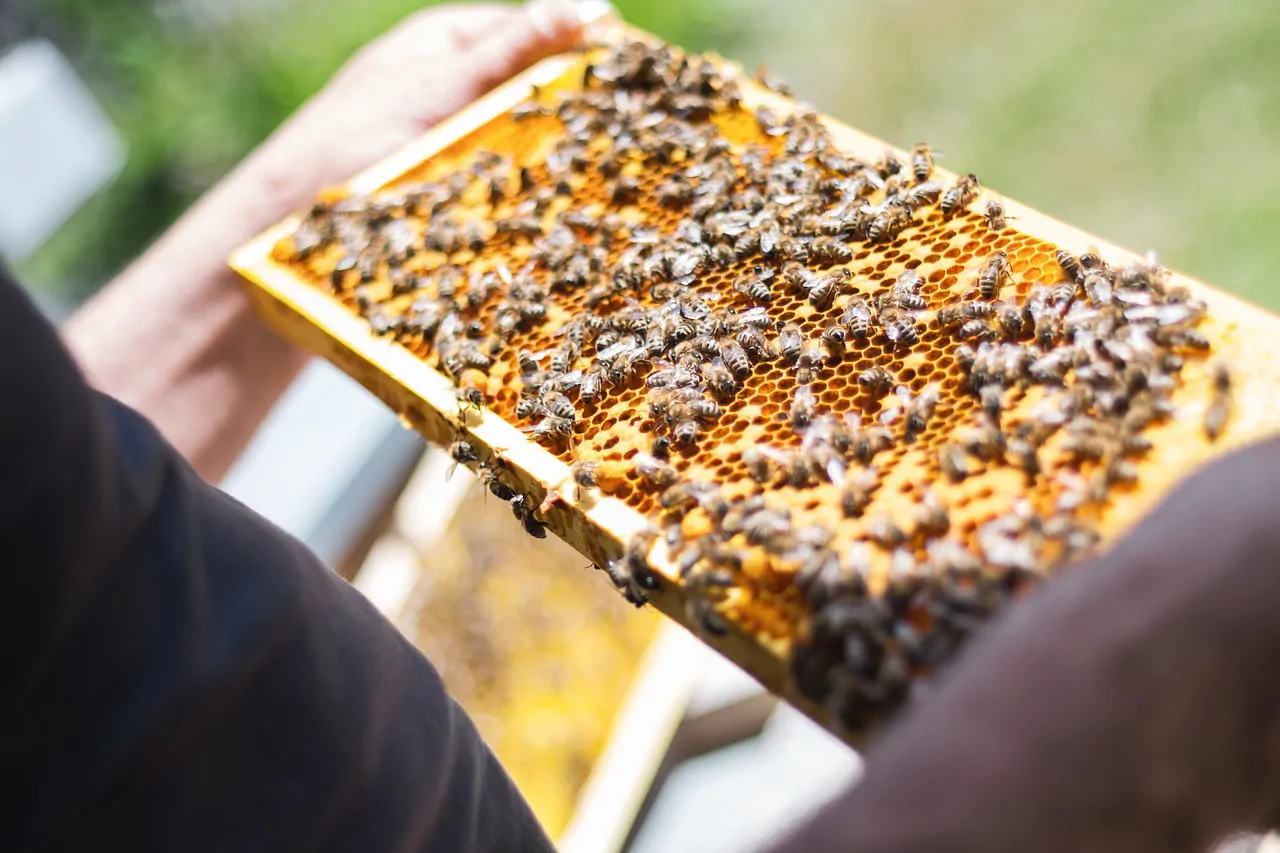
A new factor may explain the decline in honey production and the loss of honeybee bee colonies over the past five decades.
Scientists have been investigating the causes of these colony losses and the decline in honey production for years. Several possibilities have been explored, such as bee exposure to pesticides, environmental stressors, the impact of parasites, diseases, diet, and more. A recent study links the overall decline in the median lifespan of bees to a genetic component, independent of any environmental or climatic factors.
The study replicated the natural living conditions of a colony in the laboratory while controlling for environmental factors. Regardless of the bees’ diet (with or without water), it appeared that the median lifespan of worker bees in the laboratory has dropped from 34.3 days 50 years ago to 17.7 days today. This appears to be consistent with observations made in recent years in the natural environment. However, the longer a worker bee lives, the more it can forage, and the more honey the colony produces. The reduction in bee longevity therefore has direct repercussions on the time spent foraging and on the colony’s productivity—and even on its survival. A 50% reduction in the median lifespan of worker bees implies an average winter loss rate of 33%, which is slightly higher than the rate reported by American beekeepers at the end of winter over the past 15 years or so.
Furthermore, the relationship between the age of bees and colony mortality becomes even more evident when they are under stress. Exposure to stressors that reduce immune competence, such as pesticides or poor food resources, directly affects the bees’ lifespan or can act in synergy with other risk factors like viral infections, leading to a decline in colony population and an increase in winter mortality.
The study emphasizes that it is the average lifespans of individual worker bees that account for these results at the colony level. Genetics could therefore be an important factor in the longevity of American honeybees. This factor is already known to exist in other insects, such as fruit flies. The next step is to compare these data with those from bees in other countries to attempt a more precise assessment of the factors limiting the longevity of honeybees.
More information on bees
https://vetitude.fr/dossiers/apiculture/
Read next
Research & Diagnostics
10/09/2026
WHO sets new diagnostic targets for Echinococcus granulosus in humans, dogs and sheep
Research & Diagnostics
10/09/2026
Nipah virus in wastewater: promising for early warning?
Research & Diagnostics
10/01/2026
Commentaires
No comments yet.
Sign in to comment