

Back to articles
The Human-Animal Relationship: What Role Will Animals Play in Our Societies by 2030?
V
Vetitude
12/13/2016
6 min read
0 comments
Share:
Today, new issues are changing the way we understand the relationship between humans and animals. The Ministry of Agriculture’s Center for Studies and Forecasting has examined the evolution of this human-animal relationship since the dawn of domestication. In an initial analysis*, it traces the evolution of the “animal issue” in our societies before considering its future, in a second analysis**, in the form of five possible scenarios for the next fourteen years. Wild animals, Livestock, and pets: these three categories have evolved separately and are now perceived and managed very differently.
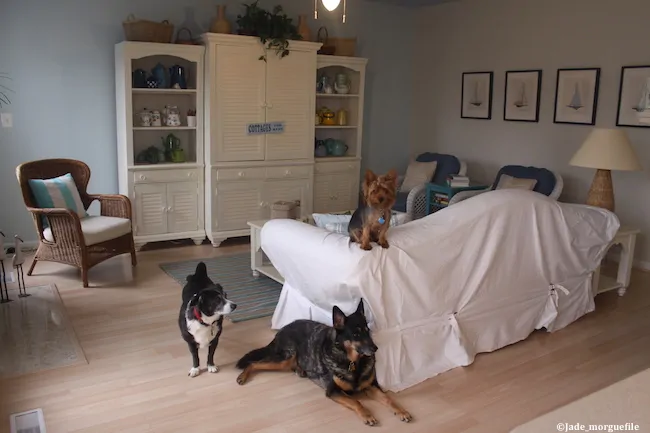 First observation: domestication has helped reshape the animal kingdom by dividing species into two categories—domesticated on one side and wild animals on the other. This long process has given rise to an anthropocentric human-animal relationship. Throughout history, humans have determined an animal’s place based on its utility—whether positive (as a source of food and other products, a labor force, or a companion) or negative (as a pest, an aggressive creature, a predator, etc.). More recently, another process has distinguished, within domesticated species, between Livestock and pets. These three categories of animals now correspond to three different relationships with animals and three distinct management approaches, each drawing on three types of expertise (ecology for wild animals, zootechnics for livestock, and companion animal medicine for pets).
From a legal perspective, the legal status of animals has also evolved significantly over the centuries. From being merely one asset among many at the disposal of its owner, the animal has gradually come to be recognized as a sentient being, capable of reasoning and suffering. However, the distinction between domestic animals and wild animals has persisted. The former now enjoy a status that defines them as beings “endowed with sentience”
following the 2015 amendment to the Civil Code, while the latter have no legal status as individuals (res nulli
), unless they belong to a protected species. In the 20th
century, animal rights movements became organized, and the concept of animal welfare (humans’ duty to ensure the absence of suffering and mistreatment) expanded to encompass animal protection (animals’ right to express the normal behavior of their species, etc.).
According to this analysis, the human-animal relationship is currently undergoing a rupture: humans and animals, once closely intertwined even within cities (slaughterhouses, tanneries, shops, etc.), no longer coexist. Many city dwellers no longer have any contact or interaction with live farm animals, except through the media. Livestock farmers themselves have become distanced from their animals as herds have gradually grown larger. Similarly, knowledge about a large number of wild species is limited to what is conveyed by wildlife documentaries and online content. This lens alters the public’s view of animals, distorts their perceptions, and shapes and conditions their judgments, depending on various awareness campaigns. At the same time, the role assigned to animals has become a major issue in land-use planning.
The organization of space and coexistence with wildlife—which is increasingly regulated (as in the cases of wolves and bears)— tends to reduce the hierarchy among animal species (protection through segmentation and the creation of sanctuaries) in favor of a more integrated approach where the concepts of ecosystem and biodiversity take precedence.
First observation: domestication has helped reshape the animal kingdom by dividing species into two categories—domesticated on one side and wild animals on the other. This long process has given rise to an anthropocentric human-animal relationship. Throughout history, humans have determined an animal’s place based on its utility—whether positive (as a source of food and other products, a labor force, or a companion) or negative (as a pest, an aggressive creature, a predator, etc.). More recently, another process has distinguished, within domesticated species, between Livestock and pets. These three categories of animals now correspond to three different relationships with animals and three distinct management approaches, each drawing on three types of expertise (ecology for wild animals, zootechnics for livestock, and companion animal medicine for pets).
From a legal perspective, the legal status of animals has also evolved significantly over the centuries. From being merely one asset among many at the disposal of its owner, the animal has gradually come to be recognized as a sentient being, capable of reasoning and suffering. However, the distinction between domestic animals and wild animals has persisted. The former now enjoy a status that defines them as beings “endowed with sentience”
following the 2015 amendment to the Civil Code, while the latter have no legal status as individuals (res nulli
), unless they belong to a protected species. In the 20th
century, animal rights movements became organized, and the concept of animal welfare (humans’ duty to ensure the absence of suffering and mistreatment) expanded to encompass animal protection (animals’ right to express the normal behavior of their species, etc.).
According to this analysis, the human-animal relationship is currently undergoing a rupture: humans and animals, once closely intertwined even within cities (slaughterhouses, tanneries, shops, etc.), no longer coexist. Many city dwellers no longer have any contact or interaction with live farm animals, except through the media. Livestock farmers themselves have become distanced from their animals as herds have gradually grown larger. Similarly, knowledge about a large number of wild species is limited to what is conveyed by wildlife documentaries and online content. This lens alters the public’s view of animals, distorts their perceptions, and shapes and conditions their judgments, depending on various awareness campaigns. At the same time, the role assigned to animals has become a major issue in land-use planning.
The organization of space and coexistence with wildlife—which is increasingly regulated (as in the cases of wolves and bears)— tends to reduce the hierarchy among animal species (protection through segmentation and the creation of sanctuaries) in favor of a more integrated approach where the concepts of ecosystem and biodiversity take precedence.
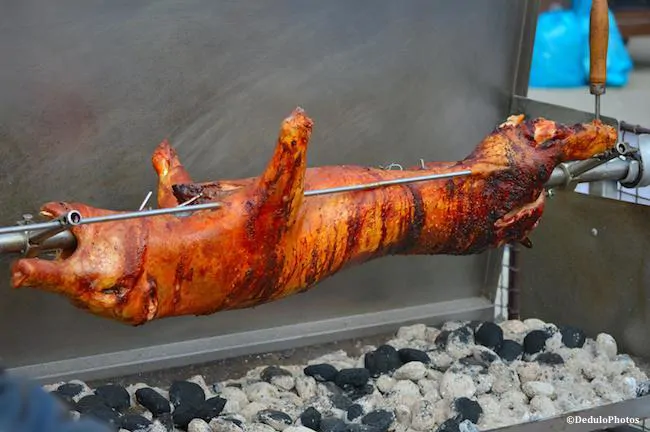 Ultimately, the most common interaction with farm animals involves meat consumption. And while the bond with farm animals has gradually weakened, another category of animals has, on the contrary, enjoyed a closer relationship and tremendous growth: in 2014, France had some 63 million pets, compared to 26 million in 1988.
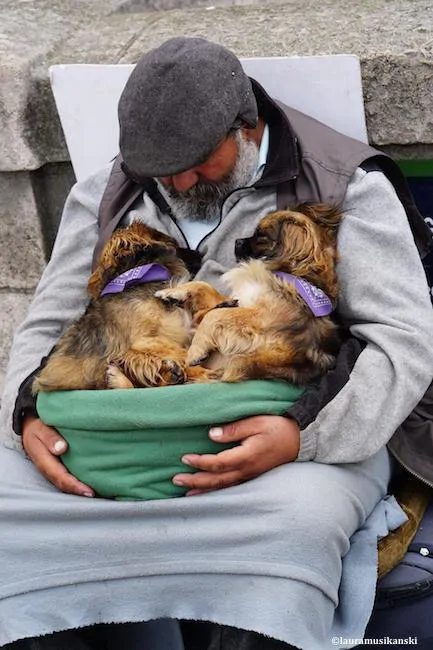
This presence of animals in nearly one in two households, coupled with a new economy dedicated to them, has led to a “rise in status” for certain animals in contact with humans—animals that are integrated into the family and treated as individuals—helping to blur the line between them. Conversely, consumers’ growing detachment from their food has widened the gap between pets and Livestock, even though the increased focus on animal welfare—which has benefited the former—could ultimately benefit the latter as well.
Beyond the segmentation into three categories of animals (Livestock, pets, and wild animals), each with distinct issues, several current trends are challenging this division based on species, status, and issues, thereby contributing to a more unified and comprehensive view of the human-animal relationship. The growing prominence of the “animal issue” is now a subject of public debate; the positive and negative impacts of livestock farming are being questioned; and the coexistence of pastoralism, recreational activities, and large predators divides public opinion. In light of evolving public debates and the diversity of possible futures for the human-animal relationship, the study’s authors have developed five scenarios looking ahead to 2030.
Ultimately, the most common interaction with farm animals involves meat consumption. And while the bond with farm animals has gradually weakened, another category of animals has, on the contrary, enjoyed a closer relationship and tremendous growth: in 2014, France had some 63 million pets, compared to 26 million in 1988.
This presence of animals in nearly one in two households, coupled with a new economy dedicated to them, has led to a “rise in status” for certain animals in contact with humans—animals that are integrated into the family and treated as individuals—helping to blur the line between them. Conversely, consumers’ growing detachment from their food has widened the gap between pets and Livestock, even though the increased focus on animal welfare—which has benefited the former—could ultimately benefit the latter as well.
Beyond the segmentation into three categories of animals (Livestock, pets, and wild animals), each with distinct issues, several current trends are challenging this division based on species, status, and issues, thereby contributing to a more unified and comprehensive view of the human-animal relationship. The growing prominence of the “animal issue” is now a subject of public debate; the positive and negative impacts of livestock farming are being questioned; and the coexistence of pastoralism, recreational activities, and large predators divides public opinion. In light of evolving public debates and the diversity of possible futures for the human-animal relationship, the study’s authors have developed five scenarios looking ahead to 2030.
 > A minimalist approach to animals
: biodiversity conservation focuses on a few symbolic areas and animal species; the “One Health” concept emphasizes comprehensive public health management through the fight against transmissible animal diseases; working with animals is valued, and the services animals provide are more highly regarded; greater consideration is given to animal welfare at slaughterhouses, etc.
> Animals as an integral part of society
: Animals are present and visible throughout the country, with high social utility and recognition; transparency regarding farming practices and conditions is increasing; farms are reconnecting with their environment; animals play a growing role in supporting the sick, disabled, and dependent individuals; group veterinary practice enables the development of new specializations and collaboration with animal behaviorists; animals see their rights (and their owners’ responsibilities toward them) expand, etc.
> Animals as an adjustment variable
: we are witnessing a massification and automation of both social relationships and relationships with animals; epidemic crises linked to major zoonoses are creating a tense public health situation; public health concerns take precedence over ethical and economic considerations related to animal care; the government maintains tight nationwide veterinary and public health network coverage; animals’ living conditions are deteriorating in the face of more profitable alternatives; interactions with humans are decreasing, and so on.
> The Idealized and Marginalized Animal
: the animal issue becomes central as human-animal interactions diminish; products of animal origin are often excluded from meals; the plant-based food system leads to the near-disappearance of livestock farming; respect for animals becomes a highly politicized issue; the status of pets tends to align with that of a dependent person; an EU directive abolishes animal testing; the practice of rural veterinary medicine becomes less profitable and veterinary practices close; environmental regulations across the country limit human activities, etc.
> A Fragmented Animal Issue
: The animal issue is diluted into a plurality of sector-specific perspectives (economic, health-related, ecological, etc.); agricultural sectors must adapt to customized food sources (plant-based proteins, insects, in vitro
meat alongside traditional or local products), attachment to pets coexists with a certain indifference toward other animals, the widespread use of biotechnology is justified by scientific progress, and so on.
Only the “Integrated Animal” scenario proposes a future in which animals are more present, more numerous, more visible, and interact more frequently with humans, without necessarily leading to increasing conflicts.
* The Human-Animal Relationship: Past Developments and Future Challenges, Analysis No. 94, November 2016, http://www.agreste.agriculture.gouv.fr/IMG/pdf/analyse941611.pdf
** The Human-Animal Relationship: Five Scenarios for 2030, Analysis No. 95, November 2016, http://www.agreste.agriculture.gouv.fr/IMG/pdf/analyse951611.pdf
> A minimalist approach to animals
: biodiversity conservation focuses on a few symbolic areas and animal species; the “One Health” concept emphasizes comprehensive public health management through the fight against transmissible animal diseases; working with animals is valued, and the services animals provide are more highly regarded; greater consideration is given to animal welfare at slaughterhouses, etc.
> Animals as an integral part of society
: Animals are present and visible throughout the country, with high social utility and recognition; transparency regarding farming practices and conditions is increasing; farms are reconnecting with their environment; animals play a growing role in supporting the sick, disabled, and dependent individuals; group veterinary practice enables the development of new specializations and collaboration with animal behaviorists; animals see their rights (and their owners’ responsibilities toward them) expand, etc.
> Animals as an adjustment variable
: we are witnessing a massification and automation of both social relationships and relationships with animals; epidemic crises linked to major zoonoses are creating a tense public health situation; public health concerns take precedence over ethical and economic considerations related to animal care; the government maintains tight nationwide veterinary and public health network coverage; animals’ living conditions are deteriorating in the face of more profitable alternatives; interactions with humans are decreasing, and so on.
> The Idealized and Marginalized Animal
: the animal issue becomes central as human-animal interactions diminish; products of animal origin are often excluded from meals; the plant-based food system leads to the near-disappearance of livestock farming; respect for animals becomes a highly politicized issue; the status of pets tends to align with that of a dependent person; an EU directive abolishes animal testing; the practice of rural veterinary medicine becomes less profitable and veterinary practices close; environmental regulations across the country limit human activities, etc.
> A Fragmented Animal Issue
: The animal issue is diluted into a plurality of sector-specific perspectives (economic, health-related, ecological, etc.); agricultural sectors must adapt to customized food sources (plant-based proteins, insects, in vitro
meat alongside traditional or local products), attachment to pets coexists with a certain indifference toward other animals, the widespread use of biotechnology is justified by scientific progress, and so on.
Only the “Integrated Animal” scenario proposes a future in which animals are more present, more numerous, more visible, and interact more frequently with humans, without necessarily leading to increasing conflicts.
* The Human-Animal Relationship: Past Developments and Future Challenges, Analysis No. 94, November 2016, http://www.agreste.agriculture.gouv.fr/IMG/pdf/analyse941611.pdf
** The Human-Animal Relationship: Five Scenarios for 2030, Analysis No. 95, November 2016, http://www.agreste.agriculture.gouv.fr/IMG/pdf/analyse951611.pdf
Read next
Research & Diagnostics
10/09/2026
WHO sets new diagnostic targets for Echinococcus granulosus in humans, dogs and sheep
Research & Diagnostics
10/09/2026
Nipah virus in wastewater: promising for early warning?
Research & Diagnostics
10/01/2026
Commentaires
No comments yet.
Sign in to comment