

Back to articles
Research & Diagnostics
Animal welfare
Antiparasitic Treatment
Canine distemper
Canine Identification
Dog breed
Dog breeding
Dog Trade
Dog Well-Being
Echinococcus multilocularis
European Pet Passport for pets
Fecava
FVE
Parvovirosis
Pedigree dog
Rabies
UEVP
Vaccination
Veterinarian
Veterinary Consultation
The dog trade: a business that worries the veterinary profession in Europe
V
Vetitude
12/08/2016
6 min read
0 comments
Share:
Three European veterinary organizations (the FVE*, the UEPV*, and the Fecava*) have adopted a joint position regarding the abuses in dog breeding and the dog trade in Europe. This rapidly expanding profit-driven industry often comes at the expense of animal health and animal welfare. To address this situation, two sets of recommendations have been issued: first, to better inform the general public about respecting animals’ needs, and second, to harmonize regulations and inspections across the European Union. Furthermore, as the guardian of dogs’ health and well-being—from the breeder all the way to the final owner— veterinarians are called upon not only to raise awareness among all stakeholders but also to detect and report irregularities (such as document forgery) and cases of cruelty or neglect.
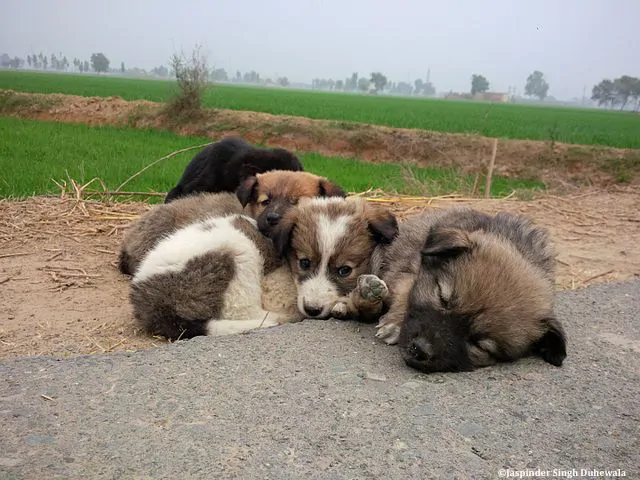 The dog breeding and trade of dogs and cats represent a thriving and lucrative economic activity, with sales estimated at 1.3 billion euros per year.
In many European countries, the supply of certain dog breeds cannot meet the demand. In this context, the Federation of Veterinarians of Europe (FVE), the Federation of European Companion Animal Veterinary Associations (Fecava), and the European Union of Practising Veterinarians (UEVP) advocate for responsible breeding and trade, where animal health and animal welfare take precedence over profit. For while the majority of breeders strive to produce healthy and well-socialized dogs, many puppies sold in Europe come from “industrial” or even illegal breeders, or from farms that show no concern for the puppies’ health, well-being, or behavioral development.
The dog breeding and trade of dogs and cats represent a thriving and lucrative economic activity, with sales estimated at 1.3 billion euros per year.
In many European countries, the supply of certain dog breeds cannot meet the demand. In this context, the Federation of Veterinarians of Europe (FVE), the Federation of European Companion Animal Veterinary Associations (Fecava), and the European Union of Practising Veterinarians (UEVP) advocate for responsible breeding and trade, where animal health and animal welfare take precedence over profit. For while the majority of breeders strive to produce healthy and well-socialized dogs, many puppies sold in Europe come from “industrial” or even illegal breeders, or from farms that show no concern for the puppies’ health, well-being, or behavioral development.
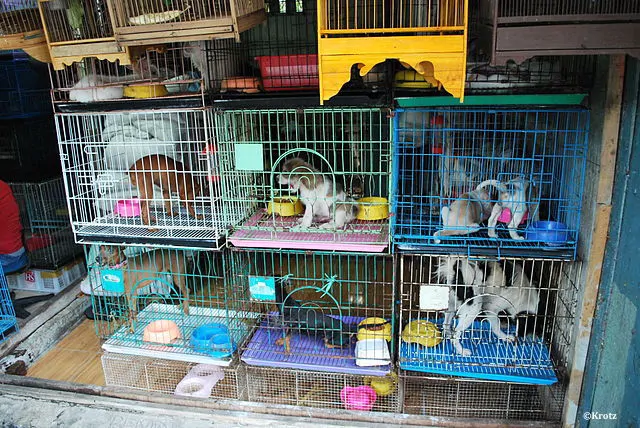 In conclusion, the FVE, the UEVP, and the Fecava call on veterinarians to:
Approximately 46,000 dogs are transported each month between different EU member statesSince the final owner is not an expert, it is very difficult for them to know whether they have purchased a healthy dog or one carrying a hereditary or infectious disease. Furthermore, their decision to buy is often impulsive rather than rational, which makes them less discerning about the animal’s origin. Easily accessible, the supply of dogs via the Internet (classified ads, social media, and websites) also constitutes a major sales channel that remains difficult to regulate. And that is precisely where the problem lies. At the EU level, there is no harmonization, no legal framework, and not even guidelines regarding the welfare of dogs in breeding or sales establishments. Legal requirements fall under the jurisdiction of the Member States and vary considerably from country to country. As a result, there is no fair and equitable competition, not even within the EU’s internal market. As for the EU regulation governing the commercial dog transport, it remains largely unenforced, with compliance levels varying widely by country and many provisions ill-suited to pets. Furthermore, the lack of uniform enforcement of animal protection legislation during transport leads carriers to alter their routes to avoid areas where the law is more strictly enforced, which has consequences for animal welfare, as travel times increase. Similarly, there is no harmonization within the European Union regarding the mandatory identification and registration of dogs. In some countries, the European pet passport is not required for dogs that do not travel across borders. Furthermore, this passport is often subject to falsified certifications and other forms of fraud, while control measures are limited and therefore ineffective.
In summary, for the European veterinary profession represented by the FVE, the UEVP, and the Fecava, the current situation is alarming.In summary, for the European veterinary profession, represented by the FVE, the UEVP, and the Fecava, the current situation is alarming. Concerned about the abuses in the “industrial” dog trade, it calls on all stakeholders in the sector to adopt a common approach in two key areas: public education and awareness-raising (for both children and adults), on the one hand; and the adoption of harmonized legislation accompanied by appropriate enforcement measures and oversight, on the other. Ideally, all veterinarians should play an active role in public education and awareness campaigns designed to explain the responsibilities associated with dog ownership and to inform purchasing decisions, in close collaboration with other stakeholders. A pre-purchase veterinary consultation is recommended to advise the prospective owner on how to choose the puppy that best suits their expectations and on the dog breed being considered. Similarly, consulting a veterinarian on the day a dog is purchased would allow for a check of the dog’s health and the absence of irregularities (e.g., incorrect identification, a puppy that is too young, forged identification documents, etc.). In the event of any irregularities, the veterinarian would then notify the relevant authorities and also inform the owner. On the legislative front, the three organizations recommend harmonizing the standards governing the sale of dogs within the European Union through the adoption of a new law on animal welfare, with close collaboration among Member State authorities regarding its implementation and enforcement at the national level. With regard to traceability, the mandatory identification and registration of all dogs in Europe is recommended to combat fraud and prevent risks to public health: the importation of dogs is, in fact, responsible for the reemergence of certain zoonoses. Vaccination against rabies, as well as against canine parvovirosis and canine distemper, should be mandated, along with antiparasitic treatment, particularly against Echinococcus multilocularis . As for non-compliance with animal welfare standards, it should result in severe penalties that serve as a deterrent.
- to participate in public education and awareness campaigns and to promote responsible pet ownership;
- to play an active role in disease surveillance and to report suspected cases of notifiable diseases, such as rabies;
- to play an active role in promoting canine health and welfare throughout the entire process, from breeding to sale and on to purchase by the final owner;
- to report cases of animal cruelty or neglect and to oppose practices by breeders, sellers, and other industry stakeholders that endanger animal health and animal welfare, as well as public health;
- to report to the relevant authorities any irregularities regarding the documents provided with the dog (incorrect identification, inconsistent puppy age, forged stickers, fake veterinary certification, etc.);
- to communicate more effectively with other parties involved.
Read next
Research & Diagnostics
10/09/2026
WHO sets new diagnostic targets for Echinococcus granulosus in humans, dogs and sheep
Research & Diagnostics
10/09/2026
Nipah virus in wastewater: promising for early warning?
Research & Diagnostics
10/01/2026
Commentaires
No comments yet.
Sign in to comment