

Back to articles
Research & Diagnostics
Cell Therapy
Dysplasia
Heart Failure
Hip dysplasia
Horse
Mastitis
Mesenchymal stem cell
Osteofibrosis
Osteomalacia
Osteoporosis
Regenerative Medicine
Stem Cells
Tendon injury
Stem cells are gaining ground in veterinary medicine
MR
Mia Rozenbaum
03/29/2021
6 min read
0 comments
Share:
Over the past twenty years, stem cell research has attracted both attention and funding. Discovered in 1981 in mice and in 1998 in humans, these cells possess unique properties that make them unparalleled tools. While their use in human medicine is still considered experimental, their use is becoming commonplace in animals for the treatment of a wide range of diseases, particularly in regenerative medicine. Treated animals provide a substantial basis for evaluating the effectiveness of cell therapies.
Regenerative medicine enables the development of methods to cultivate, repair, or replace damaged or diseased cells, organs, or tissues. Stem cells play a central role in these therapies. As immature cells, they not only have the ability to differentiate into many cell types, but they can also self-renew indefinitely, providing an unlimited supply of material. When applied to medicine, they can replace failing cells and regenerate impaired functions. Their applications are therefore vast.
The concept originated in 1991, when Caplan introduced the idea that the large-scale differentiation of cells into the desired tissue could be achieved by isolating, culturing, and expanding stem cells under in vitro conditions. Whether of embryonic, adult, or induced origin, these cells are further classified as totipotent, pluripotent, or multipotent, depending on their stage of development and differentiation. Research has led to a better understanding of the mechanisms by which adult stem cells are capable of performing tissue regeneration, as well as the conditions underlying these processes. Gradually, adult stem cells from various sources—primarily bone marrow and adipose tissue—have been used to treat animal diseases worldwide.
In this context, mesenchymal stem cells—derived from the mesoderm and neuroectoderm and distributed throughout all vascularized adult tissues (such as adipose tissue, skin, heart, brain, blood vessels, bone, and cartilage)—have emerged as a key focus. These cells are capable of modulating the immune system, activating targeting factors, and enabling cells to better access the site of the injury, which promotes tissue repair. To date, they appear to be the most suitable for therapeutic use not only because of their regenerative capabilities but also because harvesting and culturing them are simpler, and their use raises fewer ethical concerns.
Mesenchymal stem cells are increasingly recognized in veterinary medicine for treating numerous animal diseases, such as orthopedic, oral and dental, digestive, liver, kidney, heart, respiratory, neuromuscular, skin, olfactory, and reproductive system disorders. These stem cell therapies are used to overcome the body’s inability to regenerate damaged tissues and metabolic processes following acute or chronic injury. Nearly all damaged animal tissues can be repaired or regenerated through the direct action of these cells.

Cell Therapy in Animal Health
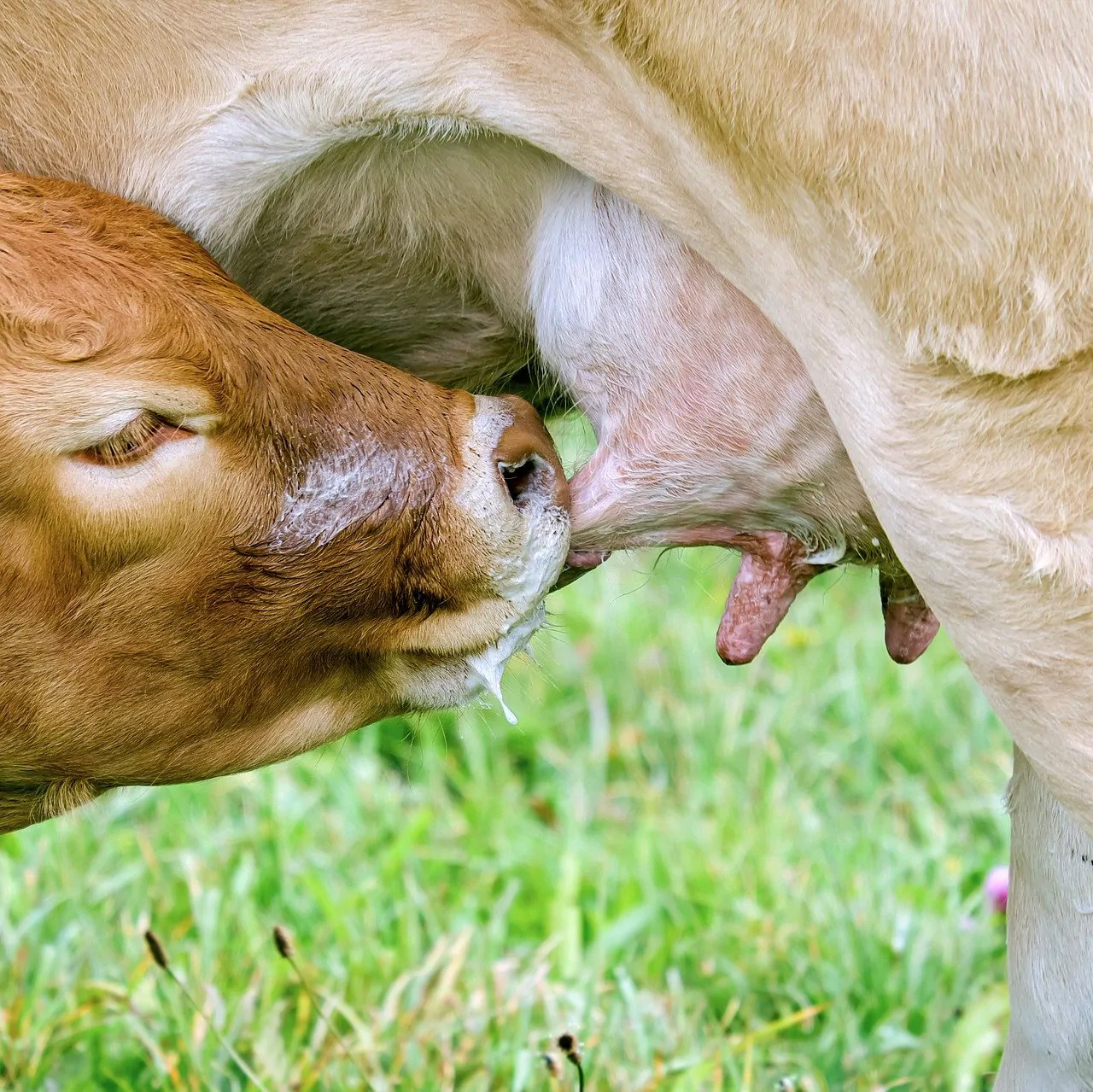
In veterinary medicine, cell therapy has been a clinical reality since the early 2000s. The first applications were intended for the treatment of tendon injuries in horses. In fact, it was in the treatment of orthopedic, joint, ligament, and tendon injuries that these therapies based on mesenchymal stem cells—isolated from bone marrow or adipose tissue—emerged, demonstrating significant clinical efficacy in equine medicine, as well as in canine and feline medicine. Cell therapy protocols are most commonly used in the field of veterinary medicine, particularly in racehorses and show jumpers, which are often affected by tendon, joint, or bone injuries. Beyond animal health, these debilitating injuries impose a significant economic cost on animal owners. Due to their effectiveness and ease of collection, the majority of cell therapy protocols for horses rely on the use of the mononuclear fraction of bone marrow. More recently, however, other cell types have been studied and recommended, and new treatments now allow for a broader use of stem cells in horses. But horses are not the only ones benefiting from advances in regenerative medicine. In recent years, the use of stem cells has generated significant interest and is emerging as a treatment option for pets. Stem cells offer innovative therapeutic possibilities for diseases that previously had no approved treatment. As a result, protocols to regenerate damaged structures in joints, ligaments, menisci, and cartilage lesions—similar to those observed in horses—have been developed for dogs, cats, and even rabbits. Cell therapies for diseases such as osteoarthritis, osteomalacia, osteoporosis, osteofibrosis, and other bone or joint abnormalities have been developed, as well as for heart failure by regenerating dysfunctional cardiac cells, and for hip dysplasia by improving nerve conduction velocity, somatosensory potential, and neurological function. Every year, scientific advances make it possible to improve existing therapeutic solutions and expand the range of possibilities to other diseases and animal species. Livestock, in particular, are benefiting from this progress. There are already several goat models for the treatment of cartilage or chondral lesions using stem cells. This technology could be extended to beef cattle, which, as their weight increases, often suffer from foot disorders that cause locomotor problems. They are already benefiting from the successes of cell therapy in treating bovine mastitis, which leads to losses in milk production and, consequently, economic repercussions for the farmer. Stem cells can, in fact, replace or “repair” the affected mammary gland. Numerous studies are also underway to obtain induced pluripotent stem cells (iPS) from buffalo, cattle, goats, pigs, sheep, and other farm animals, particularly to improve fertility. Research continues to better understand the vast potential of stem cells for treating numerous animal diseases, as well as human ones. Indeed, while randomized controlled clinical trials are still needed to move to human trials, the numerous animal models attest to the efficacy and therapeutic potential of stem cells.The Future of Stem Cells
The literature reports the use of several protocols with no identified risks and proven benefits for animal health. Of course, our understanding of the subject is not yet complete and warrants further investigation to better understand the fundamental mechanisms of lesion site recognition, cell differentiation, and regeneration, beyond direct clinical applications. Research on animal models is concrete and compelling, and its results will directly contribute to their implementation in human medicine through preclinical studies. Nevertheless, caution remains warranted regarding the early clinical use of this type of cell. Currently, more than 350 clinical trials of cell therapy using mesenchymal cells in humans are underway worldwide. This field of research is booming, but no cell therapy treatment has yet been routinely approved. It will take a few more years to determine the benefits of stem cells in treating human diseases. In the meantime, animals continue to benefit from their significant therapeutic potential.Read next
Research & Diagnostics
10/09/2026
WHO sets new diagnostic targets for Echinococcus granulosus in humans, dogs and sheep
Research & Diagnostics
10/09/2026
Nipah virus in wastewater: promising for early warning?
Research & Diagnostics
10/01/2026
Commentaires
No comments yet.
Sign in to comment