

Back to articles
Research & Diagnostics
Animal Status
Bichon Frisé
Canine Veterinarian
Cats for Sale
Dangerous Dogs
Defects that render a contract void
Dog
Dog breeder
Dog breeding
Dog for Sale
Hereditary cataract
Hidden Defects
Legal status of the animal
Pedigree dog
Pets
Puppy
Puppy for Sale
Veterinarian
Selling Dogs: A Pet Is More Than Just a Thing
V
Vetitude
12/15/2015
3 min read
0 comments
Share:
On December 9, 2015, the First Civil Chamber of the Court of Cassation issued a ruling that reflects the gradual legal evolution regarding the legal status of the animal. Indeed, in a case involving a hidden defect, the court reiterated that an animal—a dog, in this instance—cannot be treated as a mere object.
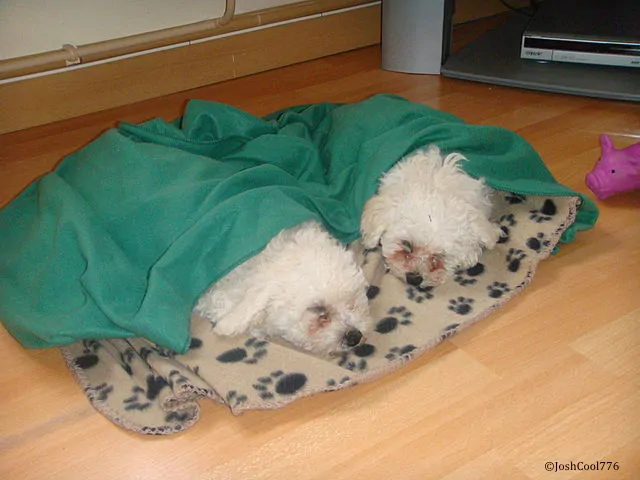 Since the enactment of Law 99-5 on dangerous dogs and its provisions regarding “pet stores,” professionals and nongovernmental organizations in the sector have regularly called for changes to how hidden and fundamental defects are handled. Proposals have been put forward, but they remain unconvincing.
On December 9, the Court of Cassation therefore had to consider the classic case involving the aftermath of the sale of a Bichon Frisé puppy intended as a pet.
A few months after purchasing the puppy from a dog breeder, the owner contacted the breeder to report that the puppy was suffering from an illness and was losing its sight. The condition is a hereditary cataract, which can be treated but at a cost that exceeds the dog’s value: the veterinarian’s estimate totals €2,400, whereas the puppy was purchased for €800.
The situation thus becomes complicated. Indeed, the Consumer Code stipulates that the purchaser may choose between repair or replacement in the case of a hidden defect in… an item sold. To avoid paying three times the animal’s value, the breeder decides to insist on replacement rather than repair, given the excessive cost of the latter relative to the item’s value. Indeed, Article L.211-9 of the Consumer Code provides for this solution in the very specific context of a significant disparity between the value of the item and the cost of repair. This interpretation is, at first glance, applicable to the sale of dogs.
However, the Court of Cassation did not accept this argument, citing the unique status of the animal:
“Since a dog is a living being, it is unique and, as such, irreplaceable; and since a pet dog is intended to receive its owner’s affection in return for its companionship and has no economic purpose, it is all the more impossible to replace, as it is the recipient of a unique bond of affection. ” Compensation then becomes the only possible solution.
The Court of Cassation therefore ruled that the owner of an animal found to be sick is not required to accept a replacement with another healthy animal and may simply request compensation. Furthermore, the provisions of Article L.211-9 of the Consumer Code are not “applicable to sales of domestic animals concluded between a seller acting in the course of their professional or commercial activity and a buyer acting as a consumer.”
Furthermore, taking this line of reasoning to its logical conclusion, the court also held that a dog breeder acting in the course of their professional or commercial activity (the sale of dogs) is presumed to know that the animal has a defect. Therefore, upon the transfer of the animal, the professional necessarily commits a breach of duty by “delivering” a “non-conforming” good. This position, however, is not new.
Since the enactment of Law 99-5 on dangerous dogs and its provisions regarding “pet stores,” professionals and nongovernmental organizations in the sector have regularly called for changes to how hidden and fundamental defects are handled. Proposals have been put forward, but they remain unconvincing.
On December 9, the Court of Cassation therefore had to consider the classic case involving the aftermath of the sale of a Bichon Frisé puppy intended as a pet.
A few months after purchasing the puppy from a dog breeder, the owner contacted the breeder to report that the puppy was suffering from an illness and was losing its sight. The condition is a hereditary cataract, which can be treated but at a cost that exceeds the dog’s value: the veterinarian’s estimate totals €2,400, whereas the puppy was purchased for €800.
The situation thus becomes complicated. Indeed, the Consumer Code stipulates that the purchaser may choose between repair or replacement in the case of a hidden defect in… an item sold. To avoid paying three times the animal’s value, the breeder decides to insist on replacement rather than repair, given the excessive cost of the latter relative to the item’s value. Indeed, Article L.211-9 of the Consumer Code provides for this solution in the very specific context of a significant disparity between the value of the item and the cost of repair. This interpretation is, at first glance, applicable to the sale of dogs.
However, the Court of Cassation did not accept this argument, citing the unique status of the animal:
“Since a dog is a living being, it is unique and, as such, irreplaceable; and since a pet dog is intended to receive its owner’s affection in return for its companionship and has no economic purpose, it is all the more impossible to replace, as it is the recipient of a unique bond of affection. ” Compensation then becomes the only possible solution.
The Court of Cassation therefore ruled that the owner of an animal found to be sick is not required to accept a replacement with another healthy animal and may simply request compensation. Furthermore, the provisions of Article L.211-9 of the Consumer Code are not “applicable to sales of domestic animals concluded between a seller acting in the course of their professional or commercial activity and a buyer acting as a consumer.”
Furthermore, taking this line of reasoning to its logical conclusion, the court also held that a dog breeder acting in the course of their professional or commercial activity (the sale of dogs) is presumed to know that the animal has a defect. Therefore, upon the transfer of the animal, the professional necessarily commits a breach of duty by “delivering” a “non-conforming” good. This position, however, is not new.
Read next
Research & Diagnostics
10/09/2026
WHO sets new diagnostic targets for Echinococcus granulosus in humans, dogs and sheep
Research & Diagnostics
10/09/2026
Nipah virus in wastewater: promising for early warning?
Research & Diagnostics
10/01/2026
Commentaires
No comments yet.
Sign in to comment