

Back to articles
Research & Diagnostics
Bedding
Biosecurity
Broiler chicken
Chicken
Livestock Farming
Microbiome
Nocardiopsis
Salmonella
Reusing chicken litter promotes the growth of beneficial bacteria
MR
Mia Rozenbaum
06/13/2020
2 min read
0 comments
Share:
While reusing chicken litter on farms may not seem like the most hygienic practice, a new study challenges this belief by showing that, in fact, soiled litter may actually have a protective effect against Salmonella.
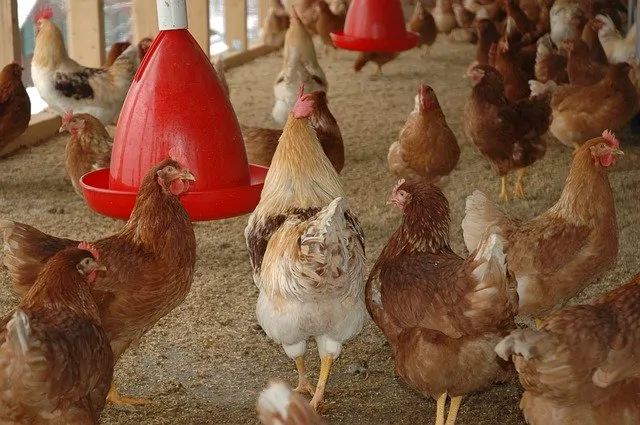 9.2 billion. That’s the number of chickens raised in 2019 for meat production. And all these chickens require millions of metric tons of litter to live on. Reusing litter would reduce costs and waste for producers but must not, under any circumstances, compromise certain health and biosecurity indicators.
Chicken litter plays a major role in determining the health of broiler chickens. A broiler chick will typically spend its first few weeks pecking at and living on the litter. It will eat litter even before eating from feeders or drinking.
The microbiome present in the litter will likely become the “first colonizers” in the chicks’ intestines. And these initial microbes play a key role in determining gut health. Therefore, it is essential to identify what a beneficial and protective litter microbiome looks like.
While instinctively, reusing soiled litter may not seem like the height of cleanliness, a new study shows exactly the opposite. The environment in reused chicken litter discourages the growth of pathogens such as Salmonella. In fact, “good” bacteria in used chicken litter can inhibit the growth of Salmonella bacteria.
The study provides new insights into the relationship between the physical environment of the litter and the soil microbiome. The physical characteristics of the litter, such as moisture and ammonia levels, can significantly affect the mix of bacteria, fungi, and viruses in the litter—and thus what the chickens ingest.
And it turns out that soiled litter contains bacteria, such as Nocardiopsis, which appear to reduce the growth of Salmonella. In fact, these bacteria are known to produce antibiotics and toxins that could keep Salmonella levels low in litter samples.
However, the withdrawal period before reusing the litter—or the “downtime”—is critical. A shorter downtime will allow the farmer to be more productive over the course of a year, but it is important to be aware of the effects of this downtime on the litter’s microbiome, about which very little is currently known.
Studying the levels of certain specific bacteria could help determine whether litter has had sufficient downtime. For now, researchers have shown that litter reused after a two-week downtime has a microbiome that is unfavorable to Salmonella. Stay tuned for further developments.
9.2 billion. That’s the number of chickens raised in 2019 for meat production. And all these chickens require millions of metric tons of litter to live on. Reusing litter would reduce costs and waste for producers but must not, under any circumstances, compromise certain health and biosecurity indicators.
Chicken litter plays a major role in determining the health of broiler chickens. A broiler chick will typically spend its first few weeks pecking at and living on the litter. It will eat litter even before eating from feeders or drinking.
The microbiome present in the litter will likely become the “first colonizers” in the chicks’ intestines. And these initial microbes play a key role in determining gut health. Therefore, it is essential to identify what a beneficial and protective litter microbiome looks like.
While instinctively, reusing soiled litter may not seem like the height of cleanliness, a new study shows exactly the opposite. The environment in reused chicken litter discourages the growth of pathogens such as Salmonella. In fact, “good” bacteria in used chicken litter can inhibit the growth of Salmonella bacteria.
The study provides new insights into the relationship between the physical environment of the litter and the soil microbiome. The physical characteristics of the litter, such as moisture and ammonia levels, can significantly affect the mix of bacteria, fungi, and viruses in the litter—and thus what the chickens ingest.
And it turns out that soiled litter contains bacteria, such as Nocardiopsis, which appear to reduce the growth of Salmonella. In fact, these bacteria are known to produce antibiotics and toxins that could keep Salmonella levels low in litter samples.
However, the withdrawal period before reusing the litter—or the “downtime”—is critical. A shorter downtime will allow the farmer to be more productive over the course of a year, but it is important to be aware of the effects of this downtime on the litter’s microbiome, about which very little is currently known.
Studying the levels of certain specific bacteria could help determine whether litter has had sufficient downtime. For now, researchers have shown that litter reused after a two-week downtime has a microbiome that is unfavorable to Salmonella. Stay tuned for further developments.
Read next
Research & Diagnostics
10/09/2026
WHO sets new diagnostic targets for Echinococcus granulosus in humans, dogs and sheep
Research & Diagnostics
10/09/2026
Nipah virus in wastewater: promising for early warning?
Research & Diagnostics
10/01/2026
Commentaires
No comments yet.
Sign in to comment