

Back to articles
Research & Diagnostics
Bats
Canine rabies
Chat
Chiroptera
EBLV-1
Fox
Fox rabies
Lyssavirus
Rabies
Rhabdoviridae
Serotine
Zoonosis
Reservoirs of Rabies: A Look Back at the Case of the Infected Cat
MR
Mia Rozenbaum
05/20/2020
4 min read
0 comments
Share:
On May 7, the Pasteur Institute confirmed a case of rabies in a cat transmitted by a bat. This is a rare occurrence, but one that persists even though fox rabies has been eradicated in France since 1924. Here’s a look at the various reservoirs of this deadly virus.
In metropolitan France, the last case of human rabies of indigenous origin dates back to 1924; nevertheless, the risk of rabies persists. Rare cases do occur through bats and the animals they infect.
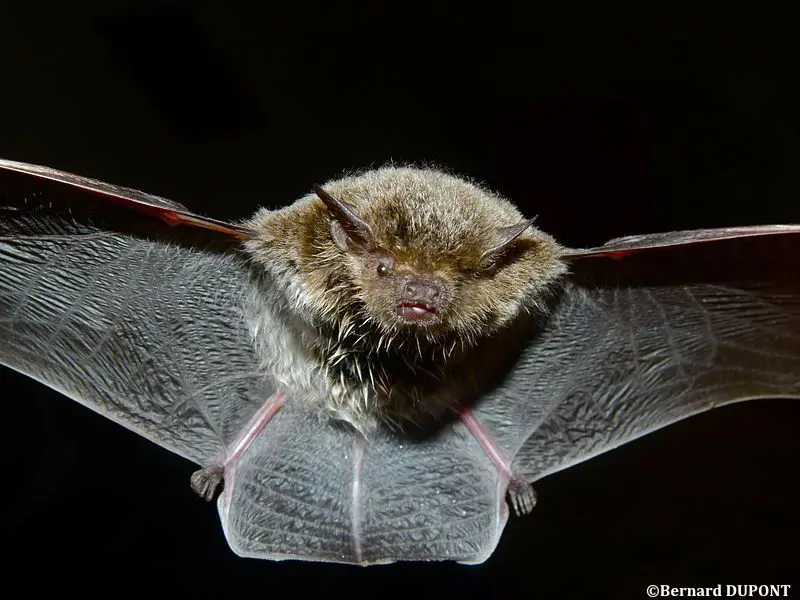 On May 7, 2020, the Pasteur Institute confirmed a case of rabies in a cat in the Côte-d’Or department.
This domestic cat had exhibited a sudden change in behavior, including unusual aggression and neurological disturbances, and was euthanized. Direct immunofluorescence and viral isolation techniques using cell culture on a brain sample from the animal indicated a rabies infection.
Molecular typing of the virus clearly shows that it is a lyssavirus belonging to the European bat 1 lyssavirus (EBLV-1) species, subtype b, and confirms that the cat was infected by a bat.
Belonging to cluster B1, the virus is particularly similar to viral strains circulating predominantly in eastern France, sharing nearly 99.8% homology (complete nucleotide sequence) with an isolate collected in 2008 from a common serotine bat from Aillant-sur-Tholon (89).
This is the third case of a cat infected with an EBLV-1-type lyssavirus in France.
While other cases in various animals have been observed in Europe, it is important to note that transmission between species remains rare and that no cases in humans have been reported.
In fact, rabies viruses are generally not very pathogenic—or only slightly so—to humans and domestic carnivores. However, there are numerous reservoirs that can pose a threat of varying severity to humans.
On May 7, 2020, the Pasteur Institute confirmed a case of rabies in a cat in the Côte-d’Or department.
This domestic cat had exhibited a sudden change in behavior, including unusual aggression and neurological disturbances, and was euthanized. Direct immunofluorescence and viral isolation techniques using cell culture on a brain sample from the animal indicated a rabies infection.
Molecular typing of the virus clearly shows that it is a lyssavirus belonging to the European bat 1 lyssavirus (EBLV-1) species, subtype b, and confirms that the cat was infected by a bat.
Belonging to cluster B1, the virus is particularly similar to viral strains circulating predominantly in eastern France, sharing nearly 99.8% homology (complete nucleotide sequence) with an isolate collected in 2008 from a common serotine bat from Aillant-sur-Tholon (89).
This is the third case of a cat infected with an EBLV-1-type lyssavirus in France.
While other cases in various animals have been observed in Europe, it is important to note that transmission between species remains rare and that no cases in humans have been reported.
In fact, rabies viruses are generally not very pathogenic—or only slightly so—to humans and domestic carnivores. However, there are numerous reservoirs that can pose a threat of varying severity to humans.
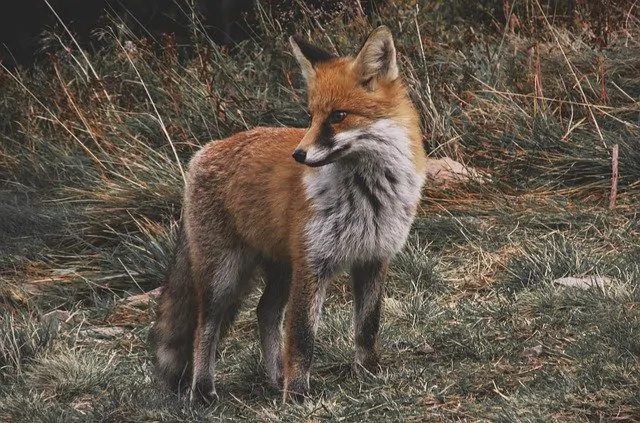 The zoonotic rabies virus infects all “warm-blooded” animals, but mammals’ susceptibility to rabies varies depending on their body temperature.
As a reminder, the rabies virus is an RNA virus belonging to the Rhabdoviridae family, characterized by a wide diversity of agents that infect both animal and plant species.
Within this family, the viruses that cause rabies all belong to the genus Lyssavirus, with seven known genotypes
. Genotype 1 includes all strains of the rabies virus (wild rabies, urban rabies, bat rabies in the Americas, and rabies vaccine strains). The other genotypes are considered rabies-related viruses, including genotypes 5 and 6 (European Bat Lyssavirus—EBL 1 and 2), which cause bat rabies in Europe and are also transmissible to humans.
From an epidemiological perspective, several types of rabies are distinguished based on the reservoir species:
The zoonotic rabies virus infects all “warm-blooded” animals, but mammals’ susceptibility to rabies varies depending on their body temperature.
As a reminder, the rabies virus is an RNA virus belonging to the Rhabdoviridae family, characterized by a wide diversity of agents that infect both animal and plant species.
Within this family, the viruses that cause rabies all belong to the genus Lyssavirus, with seven known genotypes
. Genotype 1 includes all strains of the rabies virus (wild rabies, urban rabies, bat rabies in the Americas, and rabies vaccine strains). The other genotypes are considered rabies-related viruses, including genotypes 5 and 6 (European Bat Lyssavirus—EBL 1 and 2), which cause bat rabies in Europe and are also transmissible to humans.
From an epidemiological perspective, several types of rabies are distinguished based on the reservoir species:
A Cat Infected by a Bat
Reservoirs of Rabies
- Fox rabies (from the red fox) in Europe and North America, transmissible to domestic and wild carnivorous and herbivorous mammals.
- Canine rabies, known as “street rabies,” found in Africa, Southeast Asia, and Latin America. Transmitted by dogs, the WHO estimates that street rabies accounts for more than 99% of human rabies cases and at least 50,000 deaths each year.
- Bat rabies: Genotype 1 viruses (the classical rabies virus used to produce the vaccine) are found only in bats on the American continent. Genotypes 2 and 4 are found in African bats, and genotype 7 in Australia. In Europe, genotypes 5 and 6 are the only ones found in native bats. Among the 33 species, the common serotine bat appears to be the most affected.
Read next
Research & Diagnostics
10/09/2026
WHO sets new diagnostic targets for Echinococcus granulosus in humans, dogs and sheep
Research & Diagnostics
10/09/2026
Nipah virus in wastewater: promising for early warning?
Research & Diagnostics
10/01/2026
Commentaires
No comments yet.
Sign in to comment