

Back to articles
Research & Diagnostics
British Small Animal Veterinary Association
British Veterinary Association
British Veterinary Zoological Society
Bsava
BVA
BVZS
Edged Turtle
Hermann's Tortoise
Hibernation
Hibernation in Turtles
Horsfield's Tortoise
Pre-hibernation
Reptile
Turkish Turtle
Turtle
Veterinarian
Reptiles: British Veterinarians Provide Information on Turtle Hibernation
V
Vetitude
11/01/2016
4 min read
0 comments
Share:
Three veterinary professional organizations issued a joint statement on October 18 to educate land tortoise owners on the best way to manage their pets’ hibernation. According to a recent survey conducted by the BVA, more than half of British veterinarians who treat tortoises have observed weight loss or loss of appetite following their pets’ most recent hibernation period. The BVA has therefore teamed up with the British Small Animal Veterinary Association (BSAVA) and the British Veterinary Zoological Society (BVZS) to educate animal owners and ensure that tortoises receive a winter rest that meets their needs.
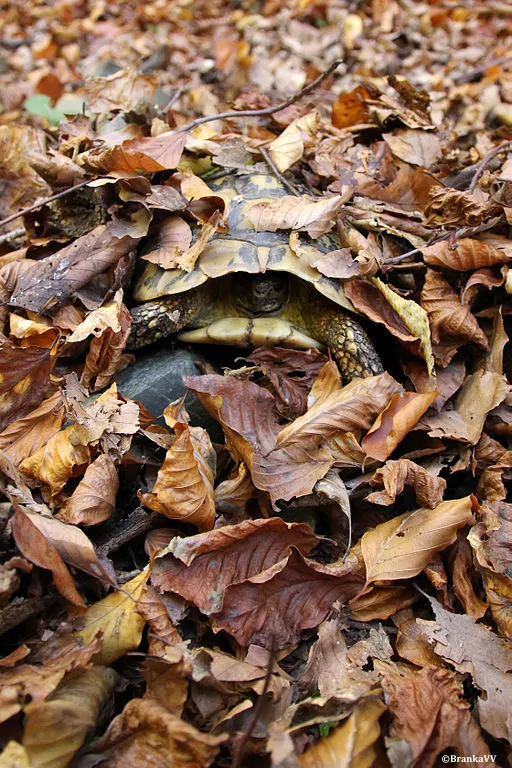 Too many turtles, kept in the traditional shoebox in the attic, hibernate under poor conditions, lament pet veterinarians across the Channel. As a result, turtles develop numerous health problems directly linked to how they hibernated. While knowledge about tortoise health and well-being has advanced significantly, many owners do not seem to be aware of these new practices. The goal is therefore to provide them, through their veterinarians, with up-to-date information and advice to prevent commonly observed health issues.
Turtle owners are encouraged to regularly monitor their pets’ health. Even when temperatures are cooler, veterinarians advise waiting until November or December to put them into hibernation. In the meantime, they should be kept warm under heat lamps to avoid a hibernation period that is too long, which could lead to depletion of energy reserves, dehydration, and a buildup of toxins in these animals.
Hibernation is not mandatory for all turtle species. The species that can hibernate in our climates include the Hermann’s tortoise (Testudo hermanni), the Turkish tortoise (Testudo graeca and Testudo ibera), the Horsfield’s tortoise (Testudo horsfieldii), and the Marginated tortoise (Testudo marginata). The exact duration of hibernation varies depending on the tortoise’s age, health, and size. Juveniles should not hibernate until their second, third, or even fourth winter, and then only for six weeks. Adults typically hibernate for up to three months.
To ensure proper hibernation conditions for these pet reptiles, the BVA, Bsava, and BVZS have compiled some practical tips for owners concerned about their pets’ well-being:
Too many turtles, kept in the traditional shoebox in the attic, hibernate under poor conditions, lament pet veterinarians across the Channel. As a result, turtles develop numerous health problems directly linked to how they hibernated. While knowledge about tortoise health and well-being has advanced significantly, many owners do not seem to be aware of these new practices. The goal is therefore to provide them, through their veterinarians, with up-to-date information and advice to prevent commonly observed health issues.
Turtle owners are encouraged to regularly monitor their pets’ health. Even when temperatures are cooler, veterinarians advise waiting until November or December to put them into hibernation. In the meantime, they should be kept warm under heat lamps to avoid a hibernation period that is too long, which could lead to depletion of energy reserves, dehydration, and a buildup of toxins in these animals.
Hibernation is not mandatory for all turtle species. The species that can hibernate in our climates include the Hermann’s tortoise (Testudo hermanni), the Turkish tortoise (Testudo graeca and Testudo ibera), the Horsfield’s tortoise (Testudo horsfieldii), and the Marginated tortoise (Testudo marginata). The exact duration of hibernation varies depending on the tortoise’s age, health, and size. Juveniles should not hibernate until their second, third, or even fourth winter, and then only for six weeks. Adults typically hibernate for up to three months.
To ensure proper hibernation conditions for these pet reptiles, the BVA, Bsava, and BVZS have compiled some practical tips for owners concerned about their pets’ well-being:
- consult a veterinarian for a health checkup and weight measurement before hibernation;
- in the weeks leading up to hibernation, gradually lower the room temperature and bathe the tortoise daily. During the final week, stop the daily baths and maintain the room temperature at the same level as the outside temperature;
- during hibernation, keep the turtle away from other animals, at a temperature between 5 and 8 °C. Using a refrigerator may seem strange, but it provides a safe and reliable shelter and helps maintain a stable temperature to prevent excessive weight loss or post-hibernation blindness;
- Weigh the animal weekly to ensure that weight loss does not exceed 5% of its initial body weight. A slight weight loss is normal during the first two weeks, but if it continues into the third week, the turtle must be awakened. Ultimately, regardless of the method used, prolonged hibernation remains the greatest risk factor for health problems upon awakening.
Read next
Research & Diagnostics
10/09/2026
WHO sets new diagnostic targets for Echinococcus granulosus in humans, dogs and sheep
Research & Diagnostics
10/09/2026
Nipah virus in wastewater: promising for early warning?
Research & Diagnostics
10/01/2026
Commentaires
No comments yet.
Sign in to comment