

Back to articles
Red meat and processed meats: Eating them increases the risk of colorectal cancer—but that’s not all
V
Vetitude
11/25/2017
3 min read
0 comments
Share:
While it is now widely accepted that meat consumption, including red meat and processed meats, is associated with an increased risk of colorectal cancer in men, a new study—based on data collected from some 61,000 people—highlights a more widespread potential carcinogenic effect. Thus, meat products may also be implicated in the development of other types of cancer (breast, pancreatic, prostate).
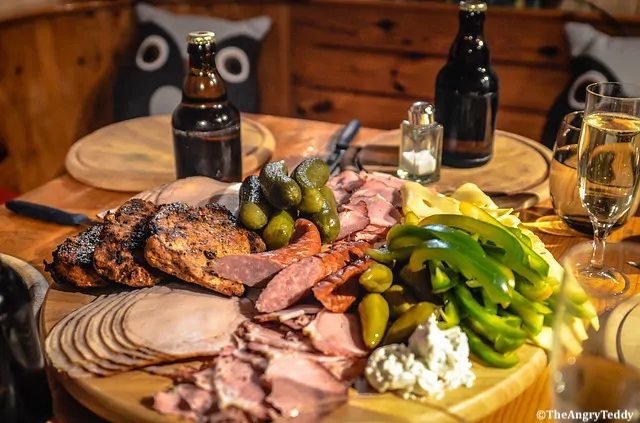 International experts have recently shown that
, in men, the risk of developing colorectal cancer is increased by excessive meat consumption and processed meats. In particular, the experts concluded that each 50-gram serving of processed meat (cured, aged, fermented, smoked, etc.) consumed daily increases the risk of colorectal cancer by 18%. Based on this assessment, the High Council for Public Health revised the dietary guidelines for adults in February 2017, recommending that meat consumption (beef, pork, lamb, goat, horse, venison, and wild boar) to a maximum of 500 g per week and processed meat to 150 g per week
.
However, red meat and processed
meats are also linked to the development of other types of tumors besides colorectal cancers. In 2014, the nutritional epidemiology research team (Eren) observed a significant effect of processed meat consumption on the incidence of breast cancer. The study involved some 4,700 women from a panel of 13,000 people originally intended to study the impact of antioxidant vitamin and mineral supplementation on health.
Today, these researchers are publishing the results of a study conducted on a cohort of 61,476 people and more than 1,600 new cancer cases between 2009 and 2015 in the *International Journal of Cancer
*. Designed to assess the effects of diet on health, this study provides detailed information on the dietary habits of the French population. It shows that the risk of developing breast cancer increases with red meat consumption, and that this association holds true more broadly for overall cancer risk.
International experts have recently shown that
, in men, the risk of developing colorectal cancer is increased by excessive meat consumption and processed meats. In particular, the experts concluded that each 50-gram serving of processed meat (cured, aged, fermented, smoked, etc.) consumed daily increases the risk of colorectal cancer by 18%. Based on this assessment, the High Council for Public Health revised the dietary guidelines for adults in February 2017, recommending that meat consumption (beef, pork, lamb, goat, horse, venison, and wild boar) to a maximum of 500 g per week and processed meat to 150 g per week
.
However, red meat and processed
meats are also linked to the development of other types of tumors besides colorectal cancers. In 2014, the nutritional epidemiology research team (Eren) observed a significant effect of processed meat consumption on the incidence of breast cancer. The study involved some 4,700 women from a panel of 13,000 people originally intended to study the impact of antioxidant vitamin and mineral supplementation on health.
Today, these researchers are publishing the results of a study conducted on a cohort of 61,476 people and more than 1,600 new cancer cases between 2009 and 2015 in the *International Journal of Cancer
*. Designed to assess the effects of diet on health, this study provides detailed information on the dietary habits of the French population. It shows that the risk of developing breast cancer increases with red meat consumption, and that this association holds true more broadly for overall cancer risk.
Among the 20% of people who have the highest red meat consumption (nearly 100 g per day on average), the risk of developing cancer increases by 30% compared to the 20% of people who have the lowest meat consumption (40 g per day on average).According to the 2014 study, antioxidant supplementation may offset, at least in part, the impact of red meat and processed meat consumption on the development of cancer. Among women who received antioxidant supplements, no link was observed between red meat consumption and breast cancer. In contrast, among those who received a placebo, this link exists and is linear: the higher the consumption, the greater the risk. This finding is consistent with the protective effects of antioxidants observed in mice in studies conducted by the French National Institute for Agricultural Research (INRA, Toxalim unit in Toulouse). The goal of the researchers at EREN is now to determine whether a diet naturally rich in antioxidants also offers this protective effect. To do so, they first plan to develop an indicator of a diet’s antioxidant potential, based on participants’ reports of their food intake. This indicator will then be used to test the impact of a diet rich in antioxidants on the risk of cancer associated with the consumption of meat products.
Read next
Research & Diagnostics
10/09/2026
WHO sets new diagnostic targets for Echinococcus granulosus in humans, dogs and sheep
Research & Diagnostics
10/09/2026
Nipah virus in wastewater: promising for early warning?
Research & Diagnostics
10/01/2026
Commentaires
No comments yet.
Sign in to comment