

Back to articles
Research & Diagnostics
Animal health
Chat
Dog
Escherichia coli
Listeria
Parasite
Pathogens
Raw Foods
Raw meat
Salmonella
Sarcocystis
Toxoplasma
Zoonotic bacteria
Pets: A Raw-Meat Diet Poses Risks
V
Vetitude
01/19/2018
2 min read
0 comments
Share:
Pathogens commonly found in raw dog and cat food can pose a health risk not only to pets but also to their owners, Dutch researchers warn. According to a recent study, zoonotic bacteria and parasites that contaminate raw meat—whether frozen or fresh—can cause infections, growth disorders, and other diseases. Furthermore, the health benefits of such a diet for animal health remain to be proven.
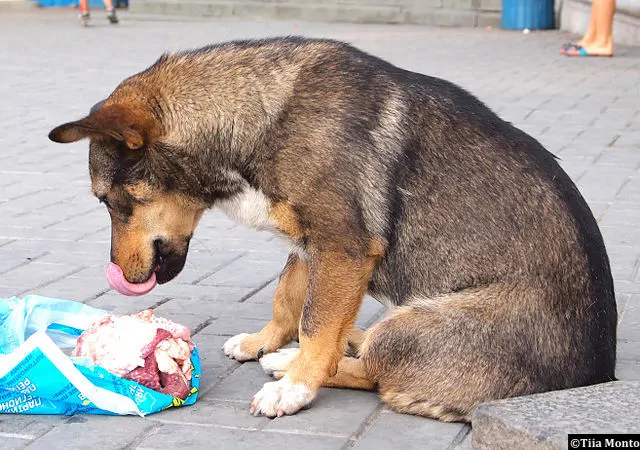 The growing trend of feeding dogs and cats raw meat (frozen or fresh) is criticized in a study conducted by Utrecht University in the Netherlands. For animal owners, these diets are perceived as more “natural,” avoid the problems associated with additives or contamination in processed foods, and may help address issues such as skin conditions, obesity, or allergies.
But researchers say there is no evidence of such health benefits. On the contrary, a raw meat diet is no better from a nutritional standpoint and can lead to dental and intestinal infections, as well as growth disorders caused by deficiencies in certain nutrients or vitamins.
Furthermore, the study highlights another concern: the confirmed presence of pathogens. A total of 35 frozen raw food products from eight commercial brands were analyzed. Escherichia coli O157:H7 was isolated from eight out of 35 products (23%), and ESBL-producing Escherichia coli was found in 28 products (80%). The results also reveal that 54% of the foods tested contained the bacteria Listeria monocytogenes, present in 19 products, as well as other Listeria species in 15 products (43%). In addition, several bacteria of the genus Salmonella were isolated from 7 of the 35 samples (20%).
Regarding parasites, Sarcocystis cruzi was found in four products (11%) and Sarcocystis tenella in four others (11%). Finally, Toxoplasma gondii was isolated from 2 of the samples analyzed (6%). While parasites are rendered harmless by freezing, this is not the case for bacteria, especially multidrug-resistant E. coli. Raw meat-based diets therefore do pose a risk to animal health and public health, affecting both the animal and its owner. According to the authors, European pet owners should be informed of the contamination risks associated with feeding their pets raw meat, particularly by their veterinarian. In addition to calling for greater awareness, they suggest that raw meat products be labeled to highlight these risks.
The growing trend of feeding dogs and cats raw meat (frozen or fresh) is criticized in a study conducted by Utrecht University in the Netherlands. For animal owners, these diets are perceived as more “natural,” avoid the problems associated with additives or contamination in processed foods, and may help address issues such as skin conditions, obesity, or allergies.
But researchers say there is no evidence of such health benefits. On the contrary, a raw meat diet is no better from a nutritional standpoint and can lead to dental and intestinal infections, as well as growth disorders caused by deficiencies in certain nutrients or vitamins.
Furthermore, the study highlights another concern: the confirmed presence of pathogens. A total of 35 frozen raw food products from eight commercial brands were analyzed. Escherichia coli O157:H7 was isolated from eight out of 35 products (23%), and ESBL-producing Escherichia coli was found in 28 products (80%). The results also reveal that 54% of the foods tested contained the bacteria Listeria monocytogenes, present in 19 products, as well as other Listeria species in 15 products (43%). In addition, several bacteria of the genus Salmonella were isolated from 7 of the 35 samples (20%).
Regarding parasites, Sarcocystis cruzi was found in four products (11%) and Sarcocystis tenella in four others (11%). Finally, Toxoplasma gondii was isolated from 2 of the samples analyzed (6%). While parasites are rendered harmless by freezing, this is not the case for bacteria, especially multidrug-resistant E. coli. Raw meat-based diets therefore do pose a risk to animal health and public health, affecting both the animal and its owner. According to the authors, European pet owners should be informed of the contamination risks associated with feeding their pets raw meat, particularly by their veterinarian. In addition to calling for greater awareness, they suggest that raw meat products be labeled to highlight these risks.
Read next
Research & Diagnostics
10/09/2026
WHO sets new diagnostic targets for Echinococcus granulosus in humans, dogs and sheep
Research & Diagnostics
10/09/2026
Nipah virus in wastewater: promising for early warning?
Research & Diagnostics
10/01/2026
Commentaires
No comments yet.
Sign in to comment