

Back to articles
Research & Diagnostics
Bacteria
British Veterinary Association
BVA
Campylobacter
Clostridium
Dog
Enterobacteriaceae
Escherichia coli
Food
Pathogenic
Raw meat
Salmonella
Pathogenic bacteria: Most dog foods made with raw meat are contaminated
V
Vetitude
03/17/2019
3 min read
0 comments
Share:
Many raw meat-based dog foods contain high concentrations of pathogenic bacteria that may pose a risk to humans and animals, according to a study published in VetRecord. The results of the analyses thus run counter to the current trend favoring a meat-based diet for pets.
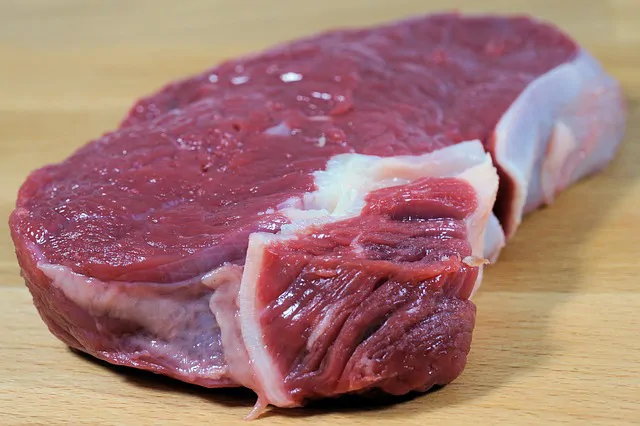 Feeding dogs raw meat-based diets has become a common practice in recent years, but it is a risky one. In fact, commercially available raw dog food primarily contains offal that has not undergone any treatment to reduce the microbial load
. Thus, in the study published by the British Veterinary Association
(BVA), several potentially pathogenic microorganisms were isolated, posing a risk of contamination for both animal owners and their animals.
Frozen samples of 60 raw dog foods, produced by ten manufacturers in various countries (Sweden, Norway, Finland, Germany, and the United Kingdom), were analyzed to determine their concentrations of bacteria (Enterobacteriaceae
, Clostridium perfringens
, Salmonella,
and Campylobacter).
Enterobacteriaceae were detected in all samples without exception, indicating fecal contamination (notably Escherichia coli
, which was isolated in about one-third of the samples). In addition, 31 samples (52%) contained levels of Enterobacteriaceae
exceeding the maximum threshold set by European regulations, namely 5,000 bacteria per gram. In 2 samples, the quantity of C. perfringens
exceeded 5,000 bacteria/g. Finally, Salmonella, which causes foodborne zoonoses, was detected in 4 samples (7%), and Campylobacter,
which causes bacterial gastroenteritis,
was detected in 3 samples (5%).
These results show that it is essential to maintain good hygiene practices during the storage, handling, and distribution of raw meat products in order to limit potential risks to animal and human health. Animal owners who choose to feed their pets a raw diet must be aware of the risks involved and take the necessary precautions,
the BVA emphasizes. The British Veterinary Association also advises against adopting a homemade raw meat diet without prior veterinary advice, in order to avoid nutritional deficiencies.
Feeding dogs raw meat-based diets has become a common practice in recent years, but it is a risky one. In fact, commercially available raw dog food primarily contains offal that has not undergone any treatment to reduce the microbial load
. Thus, in the study published by the British Veterinary Association
(BVA), several potentially pathogenic microorganisms were isolated, posing a risk of contamination for both animal owners and their animals.
Frozen samples of 60 raw dog foods, produced by ten manufacturers in various countries (Sweden, Norway, Finland, Germany, and the United Kingdom), were analyzed to determine their concentrations of bacteria (Enterobacteriaceae
, Clostridium perfringens
, Salmonella,
and Campylobacter).
Enterobacteriaceae were detected in all samples without exception, indicating fecal contamination (notably Escherichia coli
, which was isolated in about one-third of the samples). In addition, 31 samples (52%) contained levels of Enterobacteriaceae
exceeding the maximum threshold set by European regulations, namely 5,000 bacteria per gram. In 2 samples, the quantity of C. perfringens
exceeded 5,000 bacteria/g. Finally, Salmonella, which causes foodborne zoonoses, was detected in 4 samples (7%), and Campylobacter,
which causes bacterial gastroenteritis,
was detected in 3 samples (5%).
These results show that it is essential to maintain good hygiene practices during the storage, handling, and distribution of raw meat products in order to limit potential risks to animal and human health. Animal owners who choose to feed their pets a raw diet must be aware of the risks involved and take the necessary precautions,
the BVA emphasizes. The British Veterinary Association also advises against adopting a homemade raw meat diet without prior veterinary advice, in order to avoid nutritional deficiencies.
Raw Meat: Precautions for Pet Owners
- Store raw meat in the freezer until ready to use.
- Thaw it at a temperature no higher than 10 °C.
- Handle it separately from human food, using separate or previously washed kitchen utensils.
- Be careful of splatters, as bacteria in raw juices can contaminate other foods or surfaces.
- Do not let your dog lick you after eating raw meat.
- Do not feed raw meat to dogs that come into contact with infants, the elderly, or immunocompromised individuals.
Read next
Research & Diagnostics
10/09/2026
WHO sets new diagnostic targets for Echinococcus granulosus in humans, dogs and sheep
Research & Diagnostics
10/09/2026
Nipah virus in wastewater: promising for early warning?
Research & Diagnostics
10/01/2026
Commentaires
No comments yet.
Sign in to comment